Ouagadougou's Ceinture Verte — Four Decades On, a Cautionary Tale in Sustaining an Urban Green Belt
Burkina Faso
Ouagadougou's 1976 green belt reforested only about half its 2,100ha target before German funding ended in 1990, and half the …
Cuba · Havana · See the Cuba profile · See the Havana profile
Evidence: Observational / pre–post Top 89% 27/100 · Ask Evidence Copilot about this practice
Since the 1990s food crisis, Havana has built a citywide network of organopónico urban farms and co-ops covering ~8% of city land; by 2013 they and allied gardens supplied roughly 50-60% of the city's fresh produce using low-pesticide, organic methods.
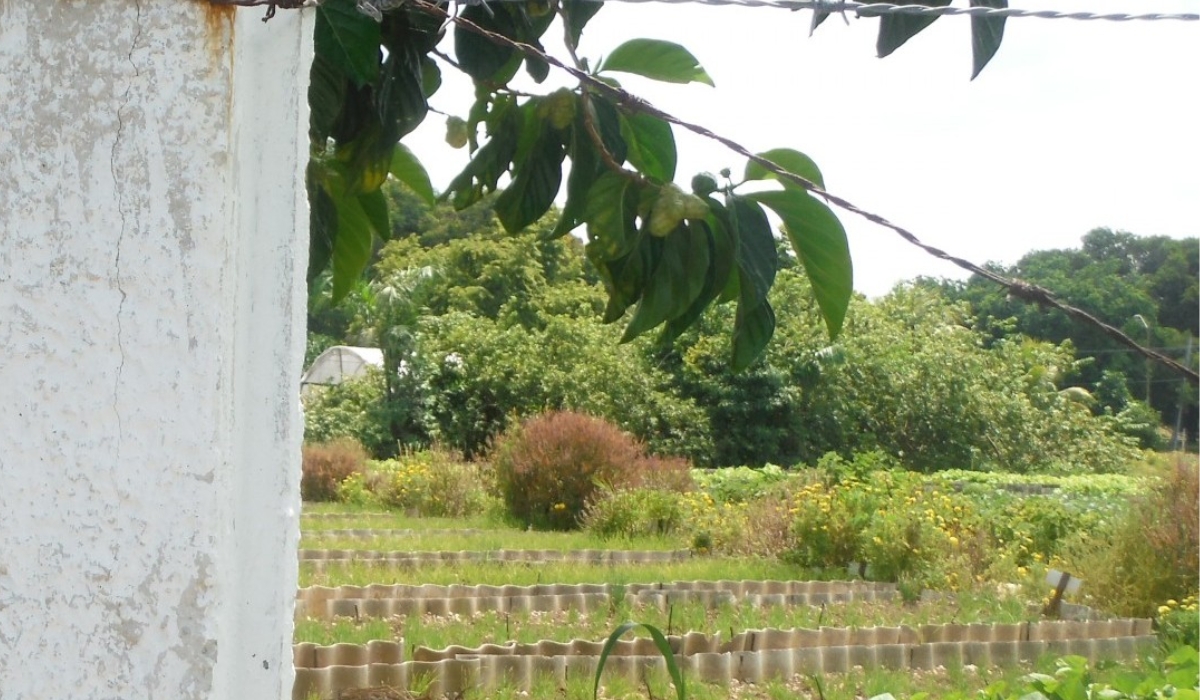
Since the 1991 collapse of Soviet subsidies cut off imported farming inputs (Cuba's "Período Especial"), the government redirected vacant urban land to food production, creating organopónico raised-bed market gardens run mostly by worker cooperatives on rent-free state land.
Growers use crop rotation, compost and biological pest control with minimal synthetic pesticide; cooperatives exceeding state quotas can sell surplus at farmers' markets, with top earners making up to double the national wage.
By 2013 food gardens covered about 8% of Havana's city land and local farms supplied roughly 100,000 tonnes of fruit and vegetables a year — an estimated 50-60% of the city's fresh produce — with 97 high-yield cooperatives operating that year; nationally the programme counted over 4,000 urban farms producing about 1.2 million tonnes of vegetables and herbs.
The model is not self-sufficient — Cuba still imports significant meat and wheat — and independent reporting cautions that fuel and input shortages during Cuba's ongoing economic crisis strain the programme, with cheaper imports a potential future threat to local growers.
National / regional programmes Own resources / municipal budget
Indicative funding routes for practices of this type — always check each programme's current calls and eligibility rules.
Do you run this practice? Claim it — verified implementers get a public contact pathway and can propose corrections.
Where this practice's information was retrieved from, and when.
Burkina Faso
Ouagadougou's 1976 green belt reforested only about half its 2,100ha target before German funding ended in 1990, and half the …
Bangladesh
Dhaka North City Corporation offers a 10% property-tax rebate for households maintaining rooftop gardens, and surveys count over 30,000 rooftop …
Sri Lanka
Colombo's 2016 Wetland Strategy protects a 1,900-hectare wetland complex absorbing roughly 40% of the city's floodwater; Sri Lanka must keep …
Israel
Israel's largest landfill — 25 million tonnes dumped 1952–1998 — was capped and redesigned by architect Peter Latz into an …
Open full copilot Grounded in cited practices — always check the sources.