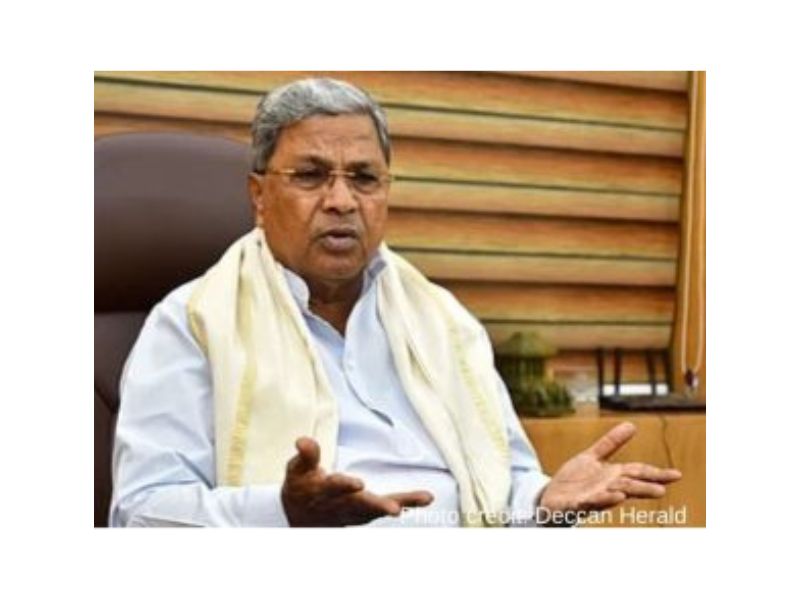
In June 2025, Karnataka's minister for primary and secondary education, Madhu Bangarappa, told the state legislative assembly that the government planned to deploy AI-based facial-recognition technology to digitise daily attendance across the state's 52,686 government schools and roughly 5.2 million ("52 lakh") students, as part of the wider 'Nirantara' school-digitisation programme championed by Chief Minister Siddaramaiah.
The announcement drew rapid opposition from educators, child-rights activists and digital-rights groups. Privacy International and Indian outlets including EducationWorld and Careers360 reported concerns that centralised biometric data on minors could be leaked, sold or misused (including risks of image morphing and sextortion), that facial-recognition accuracy is well documented to be worse for children, women and marginalised groups — raising the risk of wrongly penalising students for absences — and that no clear legal or consent framework existed for collecting children's biometric data at this scale.
Within weeks, the Karnataka government publicly clarified that it would not proceed with facial-recognition attendance, effectively shelving the plan. No pilot deployment, accuracy testing, or learning/administrative-efficiency data was ever published, because the system was cancelled before implementation.
This record documents a cautionary governance case rather than a successful practice: a real, publicly reported instance of a government AI-in-education proposal being contested and reversed on data-protection and child-safety grounds. It is included because it is directly relevant to other education systems considering biometric administrative tools, and because Evidoria records evidence of both successful and unsuccessful AI adoption. All figures (52,686 schools, ~5.2 million students, June–August 2025 timeline) are drawn from contemporaneous Indian news coverage and Privacy International's documentation; no outcome or impact data exists because the programme never launched.
Read the full analysis: https://educationworld.in/educators-and-activists-urge-karnataka-to-drop-facial-recognition-in-schools/
Where this practice's information was retrieved from, and when.