In 2020–21, the Northwest Arkansas Council paid remote workers $10,000 plus a bike or arts membership to relocate. Over 26,000 people applied for 100 spots; a 2024 Congressional Research Service review found no published causal evaluation of its economic effect.
10,000 USD
Cash grant per relocating worker
~66,000
Cumulative applications
100
Awarded grants
65 %
Successful applicants with no prior ties to the region
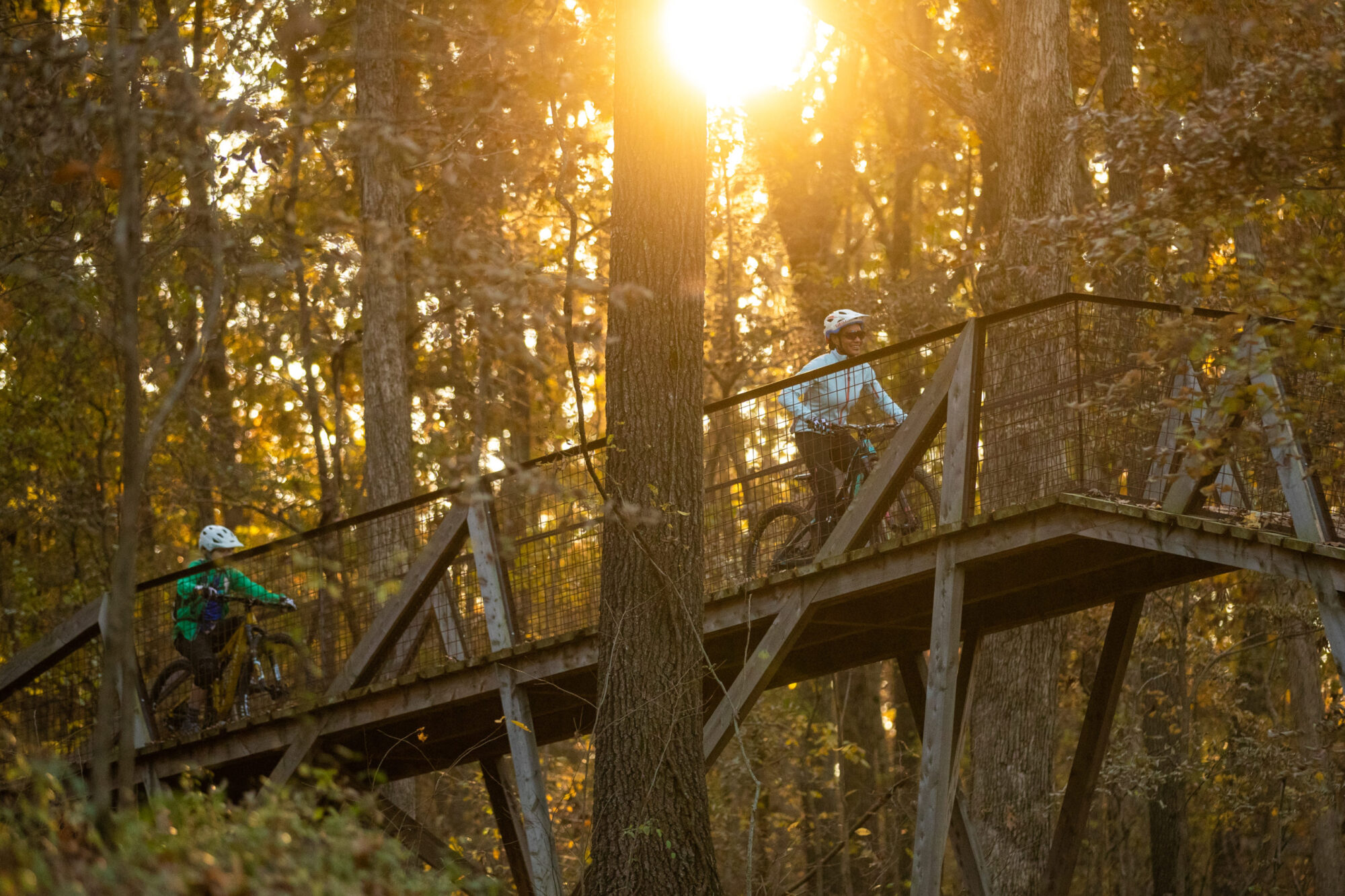
Launched in November 2020 by the Northwest Arkansas Council, a regional economic-development non-profit, with philanthropic backing from the Walton Family Foundation, Life Works Here offered $10,000 cash plus a bicycle or a year's membership to a regional cultural institution (Crystal Bridges Museum, TheatreSquared, Walton Arts Center and others) to remote workers who committed to relocate to Northwest Arkansas.
Activities
The programme's own launch announcement reported more than 26,000 applications for its first round of 25 grants, with a second round of 25 following in March 2021; total programme investment was reported at more than $1 million over its first six months.
Results
A 2024 U.S. Congressional Research Service cross-programme review put cumulative applications at roughly 66,000 for 100 awarded grants and noted 65% of successful applicants had no prior ties to the region.
Conclusions
Beyond application and award counts, no independent, causal evaluation comparable to the peer-reviewed-style Upjohn Institute study of Tulsa's parallel programme has been published quantifying Life Works Here's net economic or fiscal effect. Eligibility required an already-portable, well-paid remote job, and an acceptance rate under 0.5% of applicants concentrated benefits on a narrow, already-advantaged slice of the applicant pool; the programme ran as a roughly one-year pilot rather than a continuing scheme, unlike some of the multi-year efforts (including Ascend West Virginia) it helped inspire elsewhere.
Implementation
Indicative cost
Medium (€50k–€500k) — More than USD 1 million invested over the first six months of the programme, funded with Walton Family Foundation backing.
Time to results
Short (< 1 year) — Launched November 2020; first round announced February 2021, second round March 2021; ran roughly one year as a pilot.
Staffing & skills
Northwest Arkansas Council
Conditions for success
Philanthropic backing (Walton Family Foundation) enabling upfront cash incentives
Bundling cash with regional cultural-institution access to build local attachment
Common failure modes
Acceptance rate under 0.5% concentrated benefits on a narrow, already-advantaged applicant slice
No independent causal evaluation of net economic/fiscal effect published
Ran only about one year rather than continuing, unlike programmes it helped inspire (e.g. Ascend West Virginia)
Oslo&Co's multi-strand talent programme: Oslopolitan talent pool (64-municipality Oslo Region Alliance), Digital Wallet visa pilot (37-week permit processing cut to …