Mahila Kisan Sashaktikaran Pariyojana (MKSP) — India's Women Farmers' Empowerment Programme
India
India's DAY-NRLM sub-scheme has sanctioned 84 projects across 24 states, targeting 3 million+ women farmers. A Nielsen study found 1.3x …
Burkina Faso · Ouagadougou · See the Burkina Faso profile
L'OCCITANE's Fair Trade shea-butter partnership with Burkina Faso's Nununa Federation cooperatives has empowered over 42,000 rural women, generating around US$1.23 million a year for 15,000 producers through 100% Fair-Trade, premium-priced sourcing since 2009.
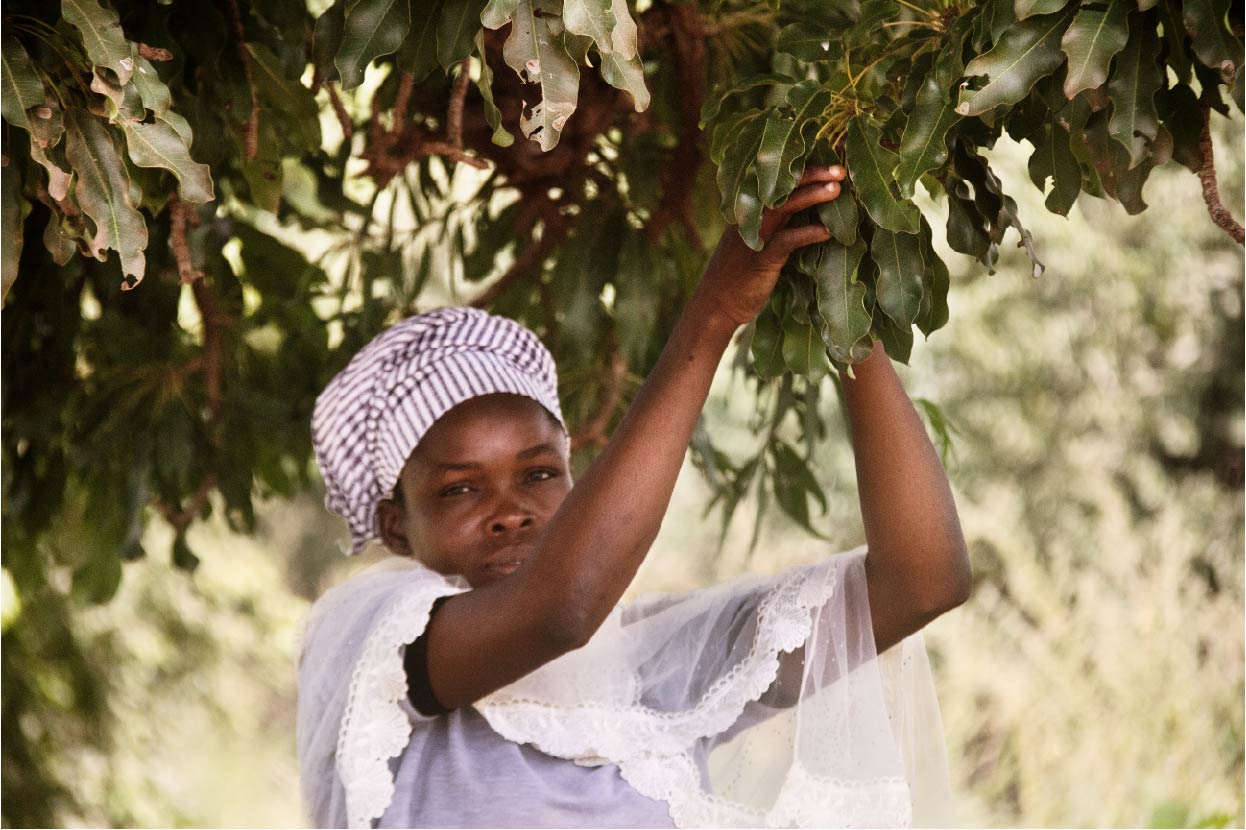
Since the 1990s, French cosmetics group L'OCCITANE has sourced shea butter directly from women's cooperatives in Burkina Faso, formalised via its corporate foundation (2006) and the 'L'OCCITANE pour Elles' programme (2016); the supply chain has been 100% Fair Trade / Fair for Life certified since 2009.
L'OCCITANE reports paying 20-30% more than conventional buyers, generating about US$1.23 million a year for roughly 15,000 cooperative members; the foundation's wider 'pour Elles' programme (literacy centres, microcredit, business training) reported reaching over 42,000 women by 2021 against an original 33,000 target, with a goal of 60,000 by 2025. UN Africa Renewal separately reports shea supports over 300,000 women across Burkina Faso, and USAID village surveys found every $1,000 of shea nuts sold generates a further $1,580 in local economic activity.
The source frames this as a durable, 30-year commercial relationship anchored in third-party Fair Trade certification, giving it unusual independent verification compared to grant-funded pilots, while cautioning that gains across the wider ~300,000-women shea sector are uneven and depend on continued premium demand and price stability.
Implementation detail (cost, timeline, staffing, conditions for success) is not yet available for this practice.
Where this practice's information was retrieved from, and when.
India
India's DAY-NRLM sub-scheme has sanctioned 84 projects across 24 states, targeting 3 million+ women farmers. A Nielsen study found 1.3x …
Rwanda
Rwanda's 2008-2013 land titling programme used low-cost, imagery-based adjudication to register nearly all land parcels, requiring both spouses' names on …
Pakistan
Pakistan’s BISP pays quarterly grants to >6.1 million female household heads across 149 districts. Oxford Policy Management’s evaluation (2010–2017) found …
Vietnam
Vietnam's Land Law requires both spouses' names on land-use certificates. Panel studies (2004-2008) link female or joint titling to 10% …
Open full copilot Grounded in cited practices — always check the sources.