Falkland Islands Offshore Rat Eradication Programme
Falkland Islands (Malvinas)
Since 2001, Falklands Conservation and partners have cleared invasive Norway rats from 65 islands (~6,500 ha) for under £250,000; a …
Australia · Lord Howe Island · See the Australia profile
Evidence: Observational / pre–post Top 58% 40/100 · Ask Evidence Copilot about this practice
An AUD 15.5m operation cleared ship rats and house mice from Lord Howe Island's 1,455 ha in 2019; official surveys confirmed the island rodent-free by 2023, and the endemic Lord Howe Woodhen population has since grown from under 500 to over 2,000 birds.
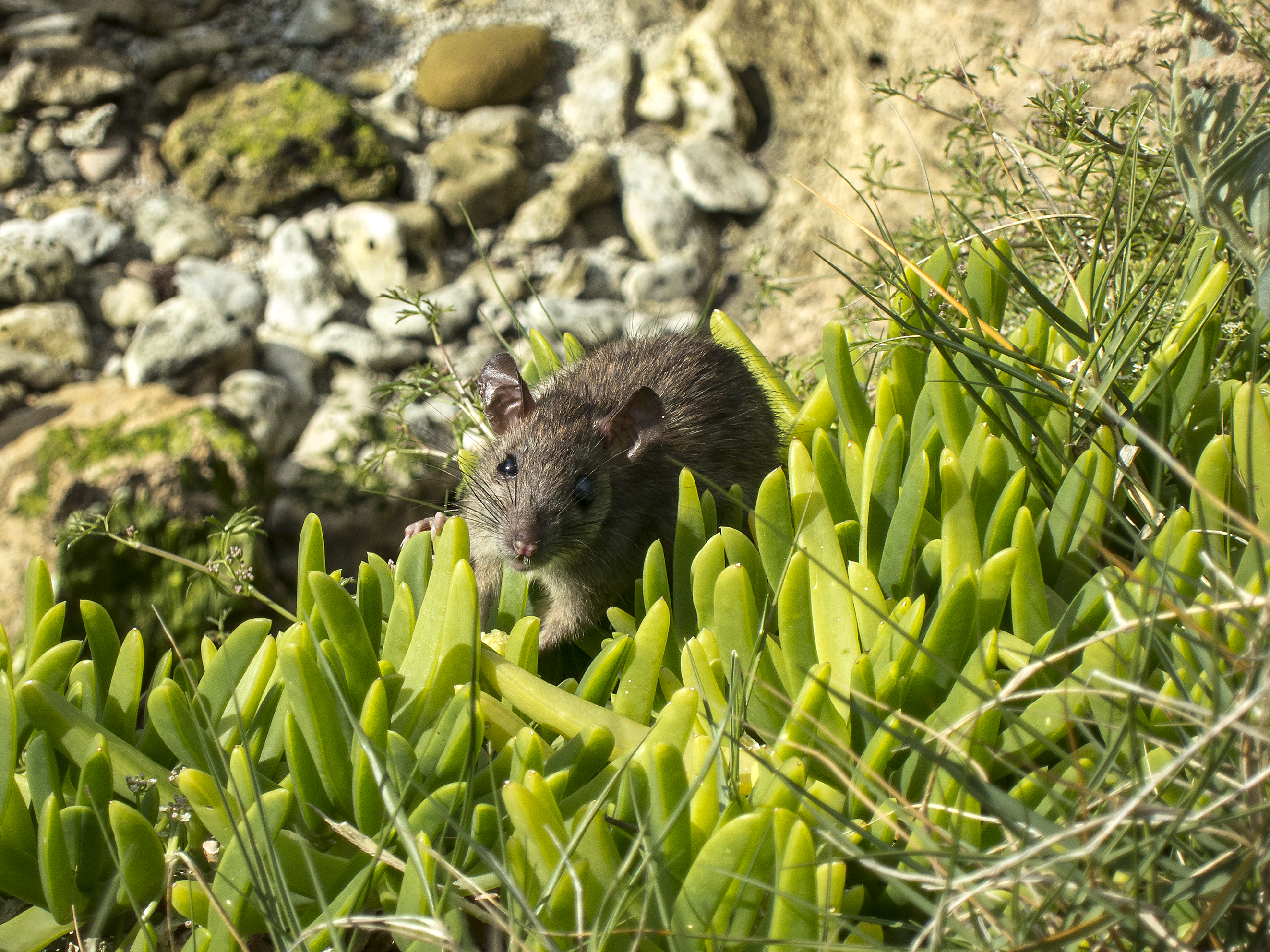
Ship rats (Rattus rattus) reached Lord Howe Island, a UNESCO World Heritage-listed island 600 km off the New South Wales coast, after the 1918 wreck of the SS Makambo. Over the following century the rats drove several endemic species to extinction or near-extinction and suppressed populations of the flightless, ground-nesting Lord Howe Woodhen and multiple seabird colonies.
Eradicate rats and mice from the island to protect endemic species, in particular the Lord Howe Woodhen and seabird colonies, following more than 15 years of research, community consultation and trial baiting.
An AUD 15.5 million eradication operation ran May-December 2019, the largest rodent eradication ever attempted on a permanently inhabited island. Aerial baiting by helicopter covered roughly 1,200 ha of forested terrain, while hand-broadcast and bait-station distribution covered the approximately 300 ha settlement area where around 350 residents live. Funding came from the NSW Environment Trust (AUD 4.54 million), the Australian Government and the Lord Howe Island Board.
A rat and a pregnant female rat were detected in April 2021, prompting an intensive rapid-response recapture effort. Comprehensive island-wide monitoring surveys completed in 2023 confirmed no remaining rodents. Independent post-project monitoring recorded the Lord Howe Woodhen population rising from fewer than 500 birds before 2019 to more than 2,000 by 2024, and Black-winged Petrel breeding success increasing from as low as 2.5% to 67% within a year of baiting.
The 2021 rat detection is a reminder of the operational risk inherent in inhabited-island eradications: a single surviving breeding pair came close to requiring a second full baiting campaign, underscoring why intensive post-baiting biosecurity and monitoring for at least two years is treated as integral to the method, not optional follow-up.
National / regional programmes
Indicative funding routes for practices of this type — always check each programme's current calls and eligibility rules.
Do you run this practice? Claim it — verified implementers get a public contact pathway and can propose corrections.
Where this practice's information was retrieved from, and when.
Falkland Islands (Malvinas)
Since 2001, Falklands Conservation and partners have cleared invasive Norway rats from 65 islands (~6,500 ha) for under £250,000; a …
French Polynesia
In 2023, SOP Manu and BirdLife International used boat-launched drones to spread rodenticide across three seabird islets of Ua Pou, …
Seychelles
Since 1990, BirdLife International and Nature Seychelles eradicated rats and cats and moved the Seychelles magpie-robin to four more islands, …
United States of America
A 2011 aerial rat eradication on Palmyra Atoll (Island Conservation/TNC/USFWS) preceded a peer-reviewed study showing native tree seedlings rose from …
Open full copilot Grounded in cited practices — always check the sources.