São Paulo Water Fund — PCJ and Upper Tietê Watersheds (Brazil)
Brazil
Multi-donor water fund protecting drinking water for 22 million São Paulo residents via PES to 430+ farmers across 11,000 ha …
Philippines · Manila · See the Philippines profile · See the Manila profile
Evidence: Observational / pre–post Top 58% 40/100 · Ask Evidence Copilot about this practice
Manila's Maynilad utility has reforested about 2,420 ha of the Ipo-Angat watershed since 2007 (1.64M+ trees), with government forestry regulator DENR independently verifying a 91% seedling survival rate across planted sites.
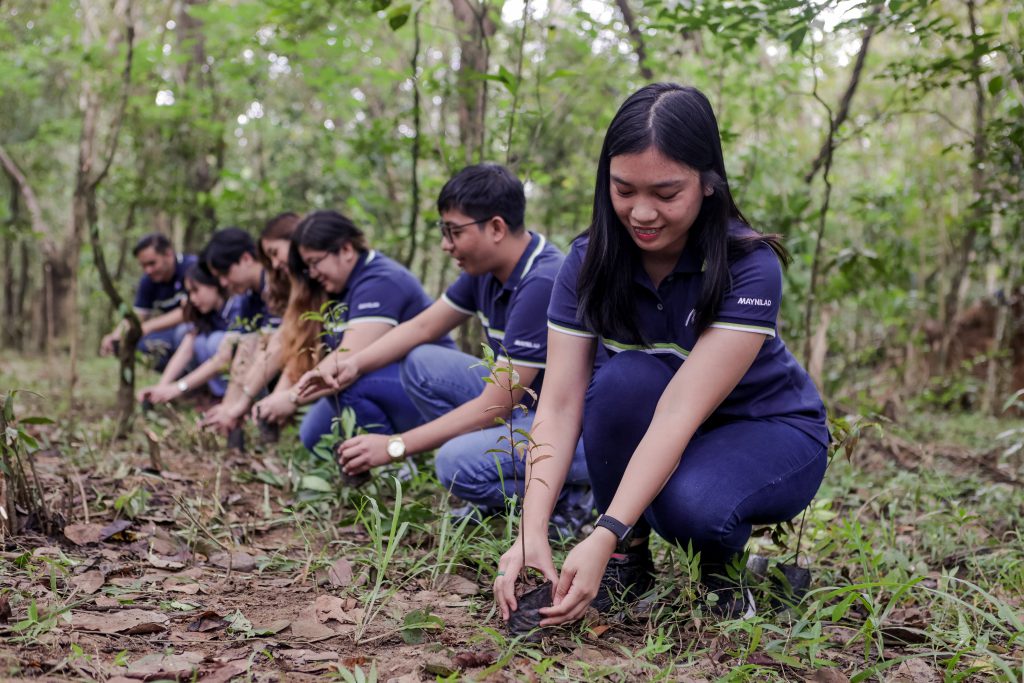
Maynilad Water Services, Inc., the private concessionaire supplying Metro Manila's West Zone (around 11 million people), has run the 'Plant for Life' watershed reforestation programme since 2007 to protect the Angat-Ipo and La Mesa watersheds that supply the city's raw water, later expanding to the Kaliwa watershed, Manila Bay mangrove belts and the Laguna Lake area.
Reforestation is concentrated on the Ipo watershed in Norzagaray, Bulacan, part of the Angat Watershed Forest Reserve that feeds the Ipo and Angat dams supplying roughly 90% of Metro Manila's water. Since 2007, Maynilad reports planting more than 1.64 million trees across approximately 2,419.88 hectares; in 2025 alone it planted 185,995 seedlings over 451 hectares, exceeding its annual target of 180,000 trees.
The Department of Environment and Natural Resources (DENR) Region 3, the government forestry regulator independent of Maynilad, conducts annual survival assessments and recorded an average 91% survival rate in previously planted sites — third-party verification stronger than the self-reported figures common to many corporate tree-planting programmes.
Tree planting and survival rates are a proxy for watershed protection, not a direct, independently measured improvement in streamflow, sediment load or raw-water treatment costs. Maynilad has not published a peer-reviewed hydrological study isolating the programme's water-yield or water-quality benefit, and areas replanted after past forest loss will take years to mature into full-canopy forest.
Own resources / municipal budget
Indicative funding routes for practices of this type — always check each programme's current calls and eligibility rules.
Do you run this practice? Claim it — verified implementers get a public contact pathway and can propose corrections.
Where this practice's information was retrieved from, and when.
Brazil
Multi-donor water fund protecting drinking water for 22 million São Paulo residents via PES to 430+ farmers across 11,000 ha …
Colombia
Multi-stakeholder water fund linking EPM, Coca-Cola, Postobon, IDB and TNC to pay upstream farmers for watershed conservation across 23,000 priority …
United Kingdom
United Utilities' £22.2M Sustainable Catchment Management Programme (2005-2015) paid tenant farmers across 57,000 hectares of Peak District and Forest of …
United States of America
After 1996 and 2002 wildfires choked Denver's reservoirs with sediment, Denver Water and the US Forest Service treated 120,000+ acres …
Open full copilot Grounded in cited practices — always check the sources.