Corredores Verdes de Medellín — Green Corridors Cooling a Colombian City
Colombia
Medellín's Green Corridors programme planted thousands of trees and shrubs along 30 roads and waterways from 2016, cutting monitored air …
Colombia · Medellín · See the Colombia profile · See the Medellín profile
Evidence: Observational / pre–post Top 58% 40/100 · Ask Evidence Copilot about this practice
Medellín turned 18 roads and 12 waterways into 30 shaded 'Corredores Verdes,' planting ~880,000 trees and 2.5 million smaller plants since 2016. A city evaluation recorded average street temperatures falling 3.5°C and PM2.5 and respiratory-infection rates dropping by 2019.
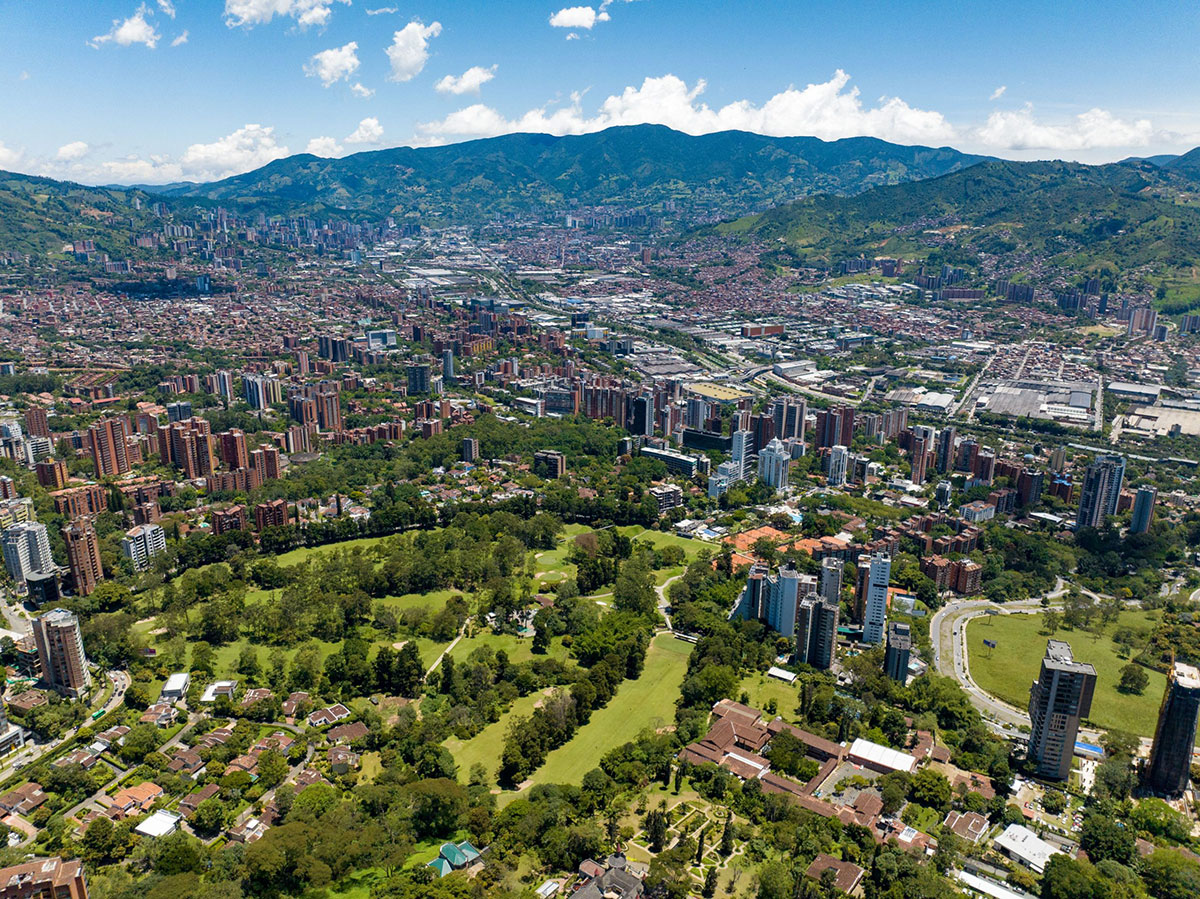
Starting 2016, Medellin's city government and Botanical Garden converted 18 roads and 12 former waterways into an interconnected 20km network of 30 shaded 'Corredores Verdes' covering roughly 70 hectares.
The programme trained 107 residents of low-income neighbourhoods as gardeners and created roughly 2,600 jobs through a botanical-garden apprenticeship scheme, targeting hillside informal settlements with the least tree cover.
By the city's own 2016-2019 monitoring, average air temperature along the corridors fell 3.5C (31.6C to 28.1C) and land-surface temperature fell 10.3C; PM2.5 fell from 21.81 to 20.26 ug/m3, PM10 from 46.04 to 40.4 ug/m3, and acute respiratory infection morbidity fell from 159.8 to 95.3 per 1,000 inhabitants.
The city has not published the monitoring methodology in a peer-reviewed journal, so the causal share attributable to the corridors versus other city interventions is not fully isolated. It won the 2019 Ashden Award and is cited by UNEP and C40 as a replicable model.
Do you run this practice? Claim it — verified implementers get a public contact pathway and can propose corrections.
Where this practice's information was retrieved from, and when.
Colombia
Medellín's Green Corridors programme planted thousands of trees and shrubs along 30 roads and waterways from 2016, cutting monitored air …
United States of America
DWSD and the Detroit Land Bank Authority turned four Cody Rouge vacant lots into bioretention gardens in 2015, each capturing …
United States of America
A cluster randomised trial of 541 Philadelphia vacant lots (cleaned-and-greened vs. trash clean-up vs. untouched) found reduced gun violence and …
Greece
Athens planted nearly 7,500 trees in 18 months and built microforests and cooling gardens across the city; monitored sites recorded …
Open full copilot Grounded in cited practices — always check the sources.