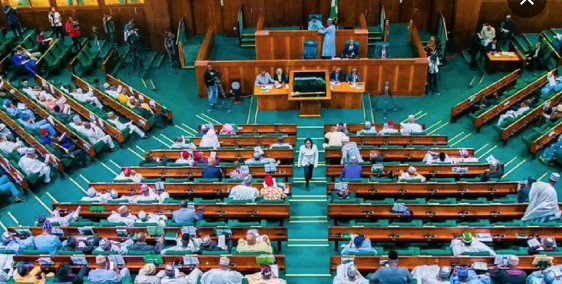
Nigeria's National Gender Policy (2006) commits government to at least 35% representation of women in both elective political office and appointive public-sector positions, an affirmative-action target framed as a national gender-mainstreaming instrument covering the whole of government rather than a single ministry or sector.
Nearly two decades on, independent tracking shows the target has not been met. As of October 2024 women held about 17% of federal cabinet positions; after the 2023 elections women held only 3.9% of House of Representatives seats and 2.8% of Senate seats. The Inter-Parliamentary Union ranks Nigeria 178th of 182 countries for women's representation in national parliament, ahead of only Niger and Eritrea among African states. In 2021 the Federal High Court ordered the government to enforce the 35% rule for appointive positions, but implementation has continued to lag, and civil-society groups such as Invictus Africa have publicly criticised the lack of political will to comply with the ruling.
The policy's numeric-target design is common internationally, but Nigeria's experience is a cautionary case: a target without binding electoral mechanisms (such as reserved seats or legislated candidate quotas) or enforcement sanctions has produced little measurable change over eighteen years. In response, a Special Seats Bill (HB 1349) reserving additional woman-only seats in the National and State Assemblies, with a 16-year sunset clause, has passed a second reading in the House of Representatives but had not been enacted as of the most recent tracking.
Read the full analysis: https://placng.org/Legist/bill-for-special-legislative-seats-for-women-reintroduced-in-the-house-of-representatives-as-nigeria-retains-low-ranking-on-women-in-parliament/
Where this practice's information was retrieved from, and when.