MobileAid: Machine-Learning Poverty Targeting from Mobile-Phone Metadata
Bangladesh
Bangladesh's a2i, GiveDirectly, UNDP and UC Berkeley piloted ML poverty-targeting from call-detail records across 106,200 Cox's Bazar households, but a …
Togo · Lomé · See the Togo profile · See the Lomé profile
Evidence: Observational / pre–post Top 12% 80/100 · Ask Evidence Copilot about this practice
To rush COVID aid to the poorest, Togo used machine learning on satellite imagery and mobile-phone data to target cash transfers — reaching 138,500+ people with ~US$10M and improving targeting precision by 42%.
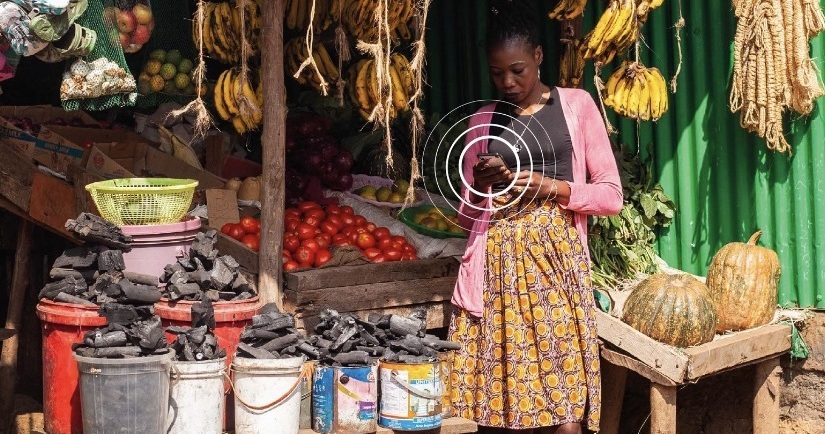
Novissi is Togo's COVID-19 emergency cash-transfer programme, run by the Togolese government together with GiveDirectly, UC Berkeley's CEGA and IPA, created to reach the country's poorest residents quickly when no reliable income registry existed.
The partnership used machine-learning models trained on high-resolution satellite imagery and mobile-phone call-detail records to estimate household wealth at fine geographic and individual levels, then used these estimates to decide who received emergency cash payments.
The programme enrolled and paid more than 138,500 of the poorest Togolese around US$10 million in emergency cash; the ML-based targeting is reported to have been about 42% more precise than simple geographic targeting of the poorest cantons.
The page describes this as a landmark of data-driven social protection, while noting that phone-based targeting can exclude people without phones, and that inferring wealth from personal data raises privacy questions the research team says it partly addressed through differential-privacy methods.
Implementation detail (cost, timeline, staffing, conditions for success) is not yet available for this practice.
National / regional programmes
Indicative funding routes for practices of this type — always check each programme's current calls and eligibility rules.
Do you run this practice? Claim it — verified implementers get a public contact pathway and can propose corrections.
Where this practice's information was retrieved from, and when.
Bangladesh
Bangladesh's a2i, GiveDirectly, UNDP and UC Berkeley piloted ML poverty-targeting from call-detail records across 106,200 Cox's Bazar households, but a …
Malawi
A World Bank study tested whether AI-processed satellite imagery can substitute for costly household surveys in targeting Malawi's social safety …
Sierra Leone
Sierra Leone's National Medical Supplies Agency and University of Pennsylvania researchers built a decision-aware ML tool that raised essential-medicine consumption …
Armenia
Armenia's Ministry of Labor and the ADB-funded Nork Technology Center built a machine-learning model, presented in Yerevan in late 2022, …
Open full copilot Grounded in cited practices — always check the sources.