Terrasos Voluntary Biodiversity Credits — El Globo Habitat Bank (Colombia)
Colombia
Colombia's first Habitat Bank to issue tradeable Voluntary Biodiversity Credits protects 340 ha of Andean cloud forest in Támesis, Antioquia; …
Australia · Sydney · See the Australia profile
Largest biodiversity credit market in Australia: 381 stewardship agreements covering 109,911 ha under NSW Biodiversity Conservation Act 2016. A$467M Stewardship Payments Fund (March 2025). 2022 audit: 86–97% of credits untradeable; 2024 reforms mandated net-positive outcomes.
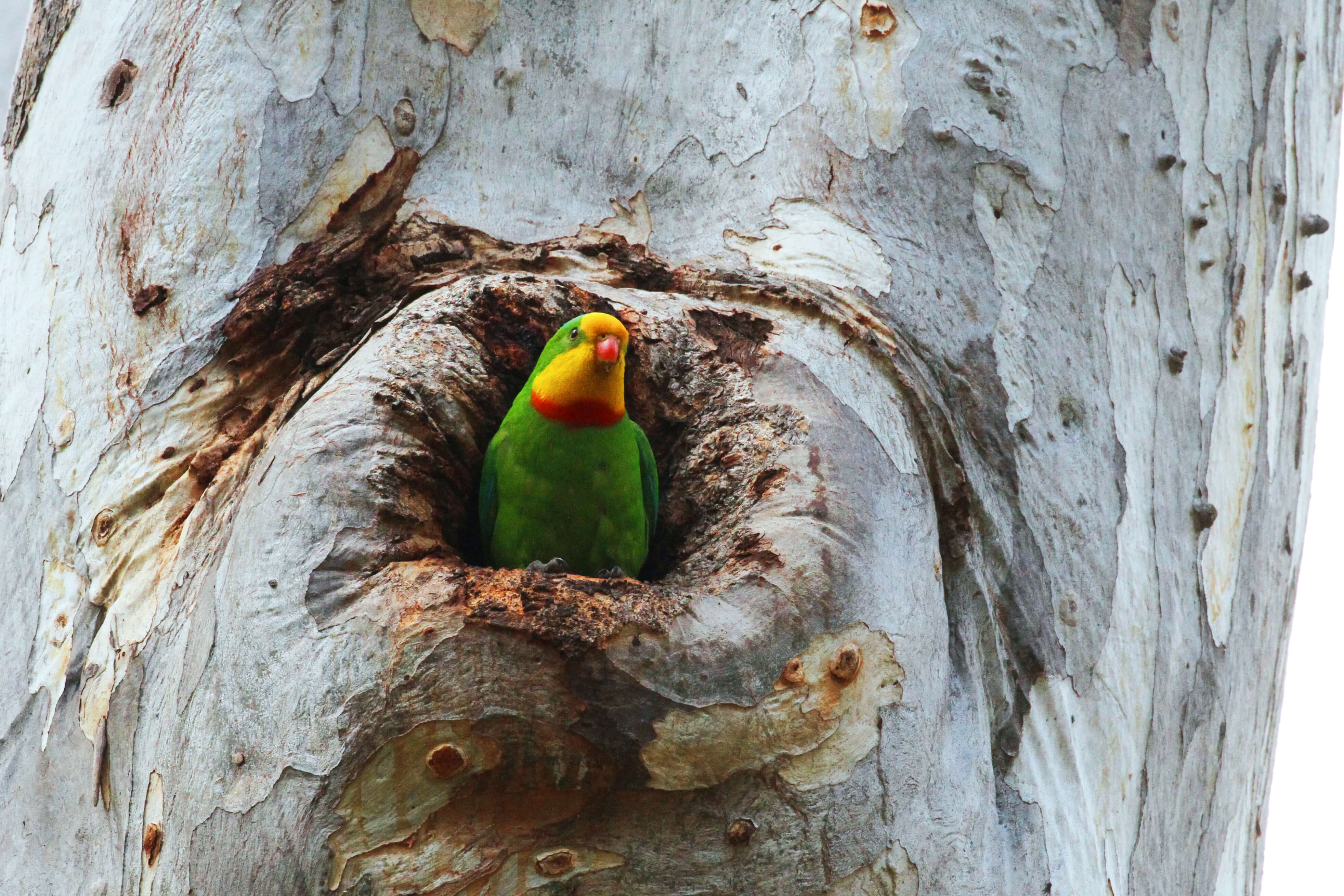
The NSW Biodiversity Offsets Scheme (BOS) was established under the Biodiversity Conservation Act 2016 and replaced the earlier BioBanking Agreement Scheme (2008). It requires developers whose activities impact native vegetation or species to retire biodiversity credits equivalent to the assessed loss; credits are generated by landholders who enter voluntary Biodiversity Stewardship Agreements (BSAs) to permanently manage and protect habitat.
As of January 2026, 381 landholders hold active BSAs covering 109,911 hectares across New South Wales. The NSW Biodiversity Conservation Trust (BCT), an independent statutory body, holds A$467.74 million in the Biodiversity Stewardship Payments Fund (31 March 2025) and distributes over A$30.3 million per year in management payments. The Biodiversity Credits Supply Fund had purchased A$98.7 million worth of credits and on-sold A$97.5 million by April 2025.
Independent reviews have identified serious structural concerns. The 2022 NSW Audit Office performance audit found that 86% of ecosystem credit trading groups and 97% of species credits had never been traded, and that one in seven environmental offset conditions was non-compliant or potentially non-compliant. The 2023 Henry Review found the Act's operative provisions 'incapable' of supporting its biodiversity objectives. The Biodiversity Conservation Amendment Act (November 2024) introduced net-positive biodiversity outcomes requirements and improved market transparency; most provisions took effect March 2025.
Read the full analysis: https://www.environment.nsw.gov.au/topics/animals-and-plants/biodiversity-offsets-scheme
Implementation detail (cost, timeline, staffing, conditions for success) is not yet available for this practice.
Where this practice's information was retrieved from, and when.
Colombia
Colombia's first Habitat Bank to issue tradeable Voluntary Biodiversity Credits protects 340 ha of Andean cloud forest in Támesis, Antioquia; …
United Kingdom
Since February 2024, most development in England must deliver a measurable 10% biodiversity net gain in standardised biodiversity units — …
France
Europe's first supply-side biodiversity compensation site: CDC Biodiversité restored 357 ha of orchards to rare Crau steppic grassland (€12.5M; 2008–10). …
China
World's largest PES programme: China's Grain for Green converted 34.3M ha of sloped farmland to forest and grassland since 1999, …
Open full copilot Grounded in cited practices — always check the sources.