IIT Madras Research Park & Incubation Cell
India
India's first university-based research park (2010) hosts 100+ corporate R&D tenants and an incubation cell that nurtured 511+ startups worth …
Norway · Oslo · See the Norway profile · See the Oslo profile
Evidence: Descriptive / self-reported Top 27% 76/100 · Ask Evidence Copilot about this practice
Norway's largest science park by companies hosted — 300+ tenants and 3,000+ people on Oslo's Blindern campus adjacent to UiO and Oslo University Hospital. Three incubators (Aleap, Sharelab, Startuplab) have supported 700+ startups total, admitting 68 new companies in 2023.
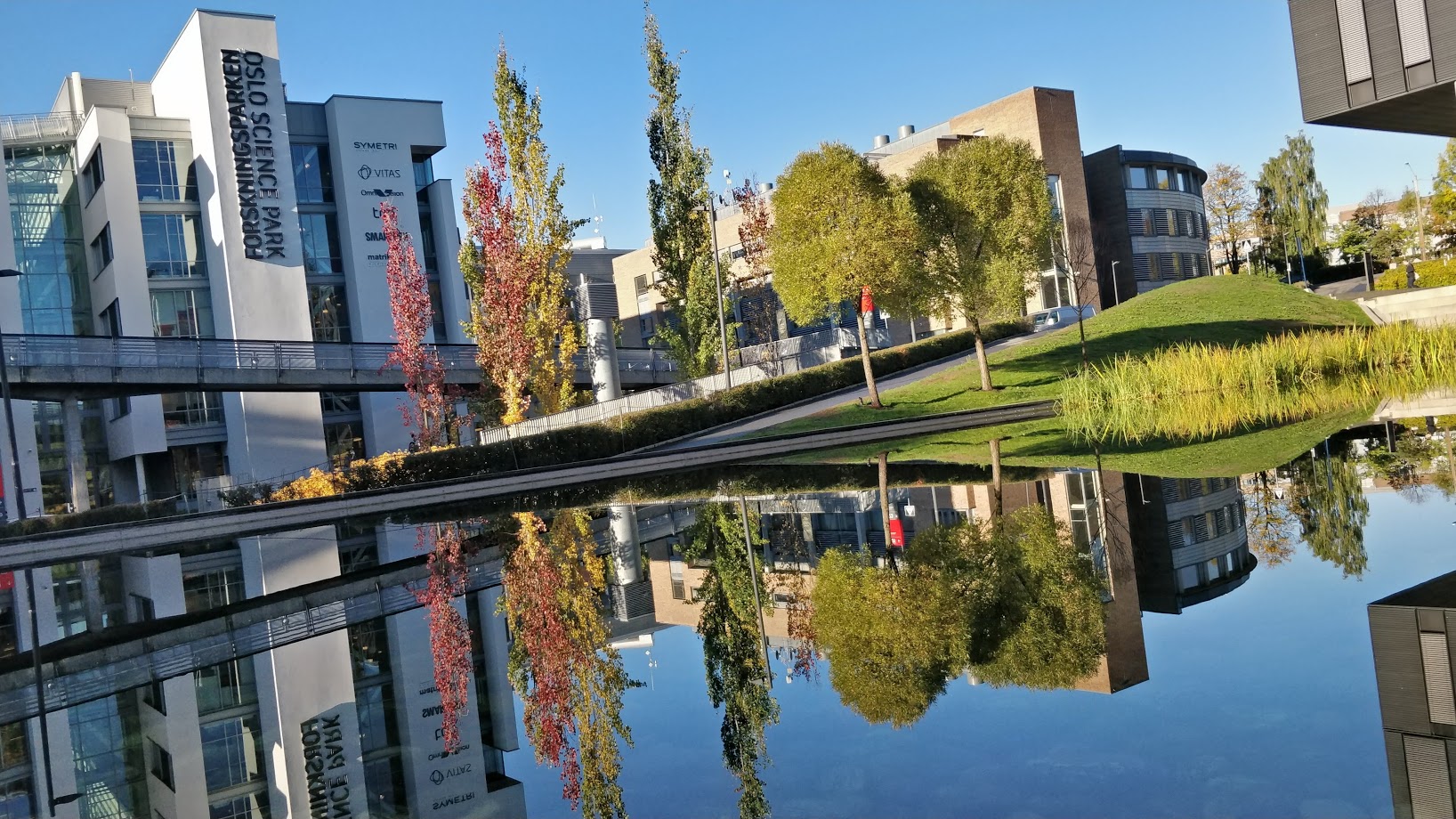
NO01Oslo Science Park (Forskningsparken), established in 1985 and operated by Oslotech AS, is Norway's largest science park by number of companies, located on the Blindern campus adjacent to the University of Oslo (UiO) and Oslo University Hospital.
The park houses three incubators — Aleap (women in technology), Sharelab and Startuplab — and co-locates companies alongside UiO, Oslo University Hospital and the Norwegian Institute of Public Health.
The three incubators admitted 68 new companies in 2023 (17 Aleap, 7 Sharelab, 44 Startuplab), building on 700+ startups supported since the first incubator opened; Startuplab's Founders Fund had invested in 170+ companies by 2023. Oslotech's 2023 annual report records a NOK 5.8 million combined contribution to the incubators and over 3,700 meetings in the park's conference centre, including ~500 larger events.
Published figures come from Oslotech's own annual report and website; no independent evaluation of additionality or long-term startup survival has been publicly released, and the NOK 5.8 million annual incubator co-funding is modest compared to larger-funded European parks.
National / regional programmes
Indicative funding routes for practices of this type — always check each programme's current calls and eligibility rules.
Do you run this practice? Claim it — verified implementers get a public contact pathway and can propose corrections.
Where this practice's information was retrieved from, and when.
India
India's first university-based research park (2010) hosts 100+ corporate R&D tenants and an incubation cell that nurtured 511+ startups worth …
Singapore
Since 2001, NUS Enterprise has grown from sending 14 students to Silicon Valley into a global network — its BLOCK71 …
Italy
Politecnico di Milano's technology-transfer district has ranked in the world's top 5 university business incubators for three straight UBI Global …
Portugal
University of Porto's science park has supported 700+ projects and 98 graduated companies since 2007; an independent 2024 economic-impact study …
Open full copilot Grounded in cited practices — always check the sources.