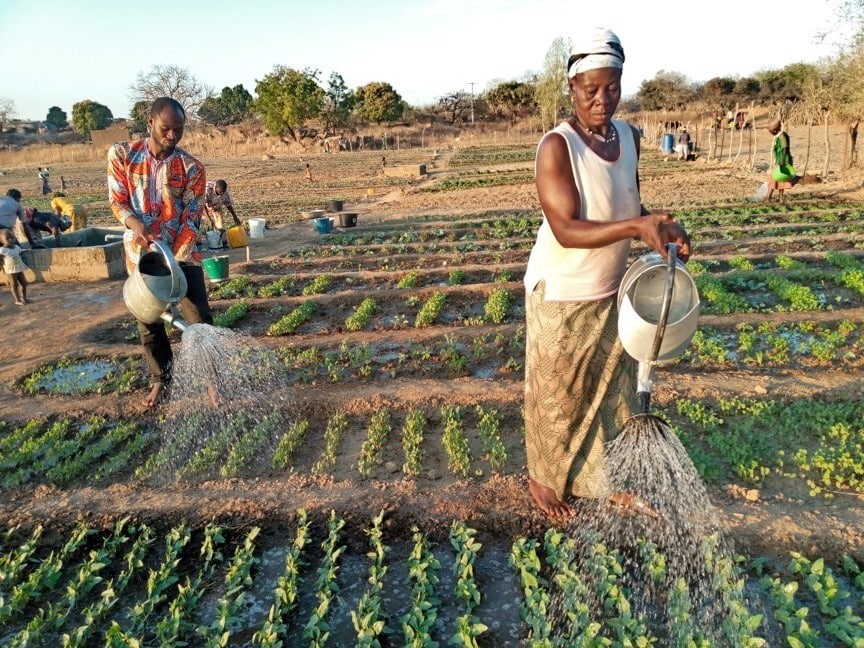
Ouagadougou's 1976 green belt reforested only about half its 2,100ha target before German funding ended in 1990, and half the surviving area has since been lost to informal settlement -- a EUR332k, 2021-2023 AIMF-backed rehabilitation of 12ha shows what re-investment can recover.
2,100 hectares
Original target area
~1,032 hectares
Area actually planted by 1990
~1,050 hectares
Area lost to informal occupation (by early 2020s)
EUR 332,000
2021-2023 rehabilitation funding
12 hectares
Area rehabilitated 2021-2023
Details
Maturity
Discontinued
Promoter
City of Ouagadougou; Association Internationale des Maires Francophones (AIMF); federation of vegetable growers and nursery operators
Ouagadougou began planting a 2,100-hectare green belt in 1976 with West German forestry support; funding ended in 1990 after only about 1,032 hectares were planted.
Results
By the early 2020s, roughly half the planted area (about 1,050 ha) was under informal occupation. A 2021-2023, EUR332,000 AIMF-backed rehabilitation replanted thousands of trees/shrubs on 12 hectares, drilled four boreholes and trained a growers' federation — a small recovery against the original scale.
Implementation
Indicative cost
Medium (€50k–€500k)
Time to results
Long (> 3 years)
Staffing & skills
City of Ouagadougou urban forestry staff, AIMF (Association Internationale des Maires Francophones), federation of vegetable growers and nursery operators
Conditions for success
durable local financing or enforcement mechanism beyond initial donor funding
women's economic empowerment integrated with canopy restoration
Common failure modes
donor-funded planting collapsed once external funding ended in 1990
about half the original planted area lost to unmanaged urbanisation
Commonly funded by
National / regional programmes
Indicative funding routes for practices of this type — always check each programme's current calls and eligibility rules.
Do you run this practice?
Claim it —
verified implementers get a public contact pathway and can propose corrections.
Data sources
Where this practice's information was retrieved from, and when.