Chisinau's River Bic Nature-Based Flood Management — Rain Gardens, Tree Pits & River Reprofiling
Moldova
Chisinau is reprofiling 7.6 km of the River Bic and installing ~90 rain gardens and 85 tree pits to cut …
Uruguay · Montevideo · See the Uruguay profile · See the Montevideo profile
Top 96% 20/100 · Ask Evidence Copilot about this practice
Montevideo's Pantanoso stream basin plan pairs World Bank- and IDB-backed urban resilience financing with wetland recovery and flood-risk reduction for roughly 190,000 residents (about 15% of the city), though published outcome metrics remain limited as of 2026.
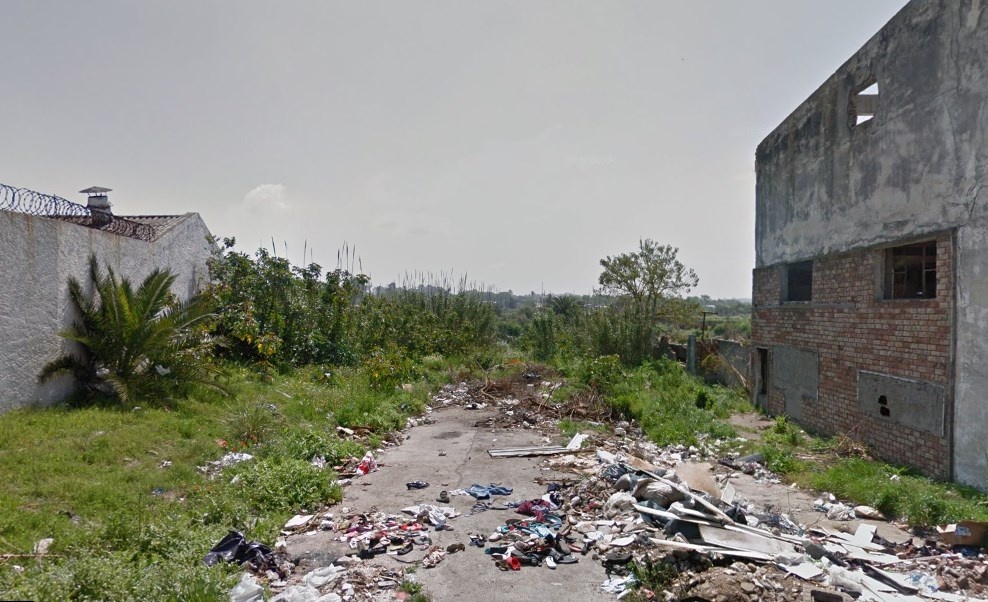
Since Montevideo's 2016–2018 Resilience Strategy, the city's Planning Department has run the Pantanoso stream basin as a "Resilience Laboratory," partnering with the Inter-American Development Bank (IDB, project UR-T1205) and, from a June 2019 concept document, the World Bank ("Montevideo Urban Resilience Project," P170360) to combine flood-risk reduction, informal-settlement upgrading and wetland recovery across a basin reported at 66–77 km² (sources vary in delineation) covering roughly 190,000 residents, about 15% of Montevideo's population.
The World Bank's official indicators for the programme target reduced flood-risk exposure for basin households, improved access to public and recreational space, and "protected/improved" biodiversity of key wetland areas, alongside linear-park development and valorisation of wetland zones as bird-watching habitat, per city and IDB documentation.
As of the most recent public documents, these appear as programme targets and design indicators rather than published, achieved ecological results — no independently reported hectare, canopy-cover or flood-peak-reduction figures were found. The programme should be read as an institutionally well-backed, multi-financier urban-resilience effort still building its outcome evidence base, alongside related, still-active stream-restoration work in the city such as the Arroyo Miguelete.
Read the full analysis: https://www.montevideo.com.uy/Noticias/La-Intendencia-reacondicionara-el-Arroyo-Pantanoso-uc690061
Implementation detail (cost, timeline, staffing, conditions for success) is not yet available for this practice.
Do you run this practice? Claim it — verified implementers get a public contact pathway and can propose corrections.
Where this practice's information was retrieved from, and when.
Moldova
Chisinau is reprofiling 7.6 km of the River Bic and installing ~90 rain gardens and 85 tree pits to cut …
Thailand
Bangkok rebuilt a 41-hectare former tobacco factory into a wetland park retaining up to 200,000 m³ of monsoon stormwater and …
Portugal
An EU LIFE-funded programme (2019-2025) converting irrigated Lisbon parkland into rain-fed meadows and planting over 107,000 trees and shrubs, cutting …
United States of America
Seattle Public Utilities rebuilt a residential block (completed 2001) with vegetated swales instead of piped drainage. Two years of SPU/EPA-documented …
Open full copilot Grounded in cited practices — always check the sources.