Moldova's National Forest Extension and Rehabilitation Programme (NFERP)
Moldova
Moldova's forestry programme restored 20,300+ ha of degraded land and issued 851,911 carbon credits since 2003; a new 2023-2032 plan …
Portugal · Lisbon · See the Portugal profile · See the Lisbon profile
Evidence: Descriptive / self-reported Top 40% 47/100 · Ask Evidence Copilot about this practice
In February 2026 Portugal launched a €30M/year national payment scheme — €120/ha for baldio (commons) fuel management plus per-head grazing subsidies (€150/suckler cow, €30/sheep or goat) — paying farmers to graze down wildfire fuel loads, building on AGIF's existing 86,000 ha of
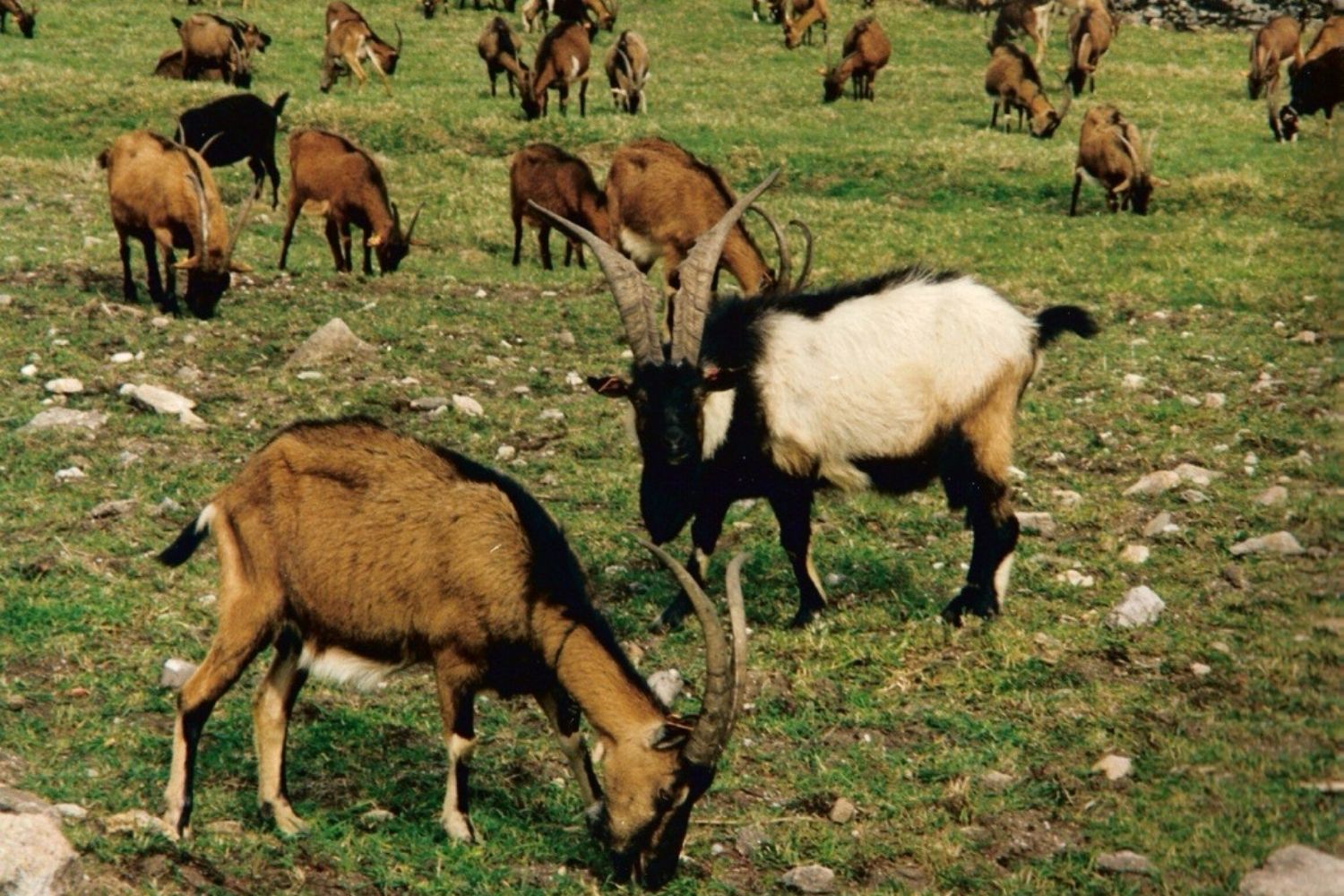
Portugal's Sistema de Gestão Integrada de Fogos Rurais (SGIFR), coordinated by the fire-management agency AGIF since 2020, promotes a landscape-mosaic strategy in which managed pastures, forests and wetlands act as barriers to large-fire spread. On 9 February 2026 the Ministries of Environment and Energy and of Agriculture and Sea created a dedicated extensive-grazing subsidy, funded up to €30 million a year by the Fundo Ambiental and administered by IFAP through its Pedido Único portal from 16 February 2026. It has two lines: a €7.5M/year baldio (commons) fuel-management payment and a €15M/year headage payment for livestock grazing designated fire-risk areas, extending AGIF's earlier pilot payment-for-ecosystem-services schemes into a national, budgeted instrument.
National / regional programmes
Indicative funding routes for practices of this type — always check each programme's current calls and eligibility rules.
Do you run this practice? Claim it — verified implementers get a public contact pathway and can propose corrections.
Where this practice's information was retrieved from, and when.
Moldova
Moldova's forestry programme restored 20,300+ ha of degraded land and issued 851,911 carbon credits since 2003; a new 2023-2032 plan …
Belgium
Flemish agri-environment PES: 2,529 farmers received €11.1M in 2025 for managing 5,948 ha of agricultural land for biodiversity — botanical …
Portugal
Portugal funds year-round, salaried five-person forest-sapper teams — over 400 nationally, expanding to 500 with 2,500 staff — clearing fuel …
Cyprus
Cyprus's 2014-2020 Rural Development Programme put 36,742 hectares under agri-environment-climate contracts and paid farmers across its 63-site, 1,789km2 Natura 2000 …
Open full copilot Grounded in cited practices — always check the sources.