FINCA Perú — Entrepreneurship Training Embedded in Village-Bank Meetings
Peru
FINCA Perú added 22 short entrepreneurship-training sessions to routine village-bank meetings for 4,591 mostly female microfinance clients in Ica and …
Uganda · Jinja · See the Uganda profile · See the Jinja profile
Evidence: Randomised controlled trial Top 83% 52/100 · Ask Evidence Copilot about this practice
A randomised trial gave 1,550 Ugandan microentrepreneurs loans, cash grants, ILO training, or combinations, across four semi-urban districts. Men who got loans plus training saw profits rise 54% within six months; women receiving any combination saw no profit gain at all.
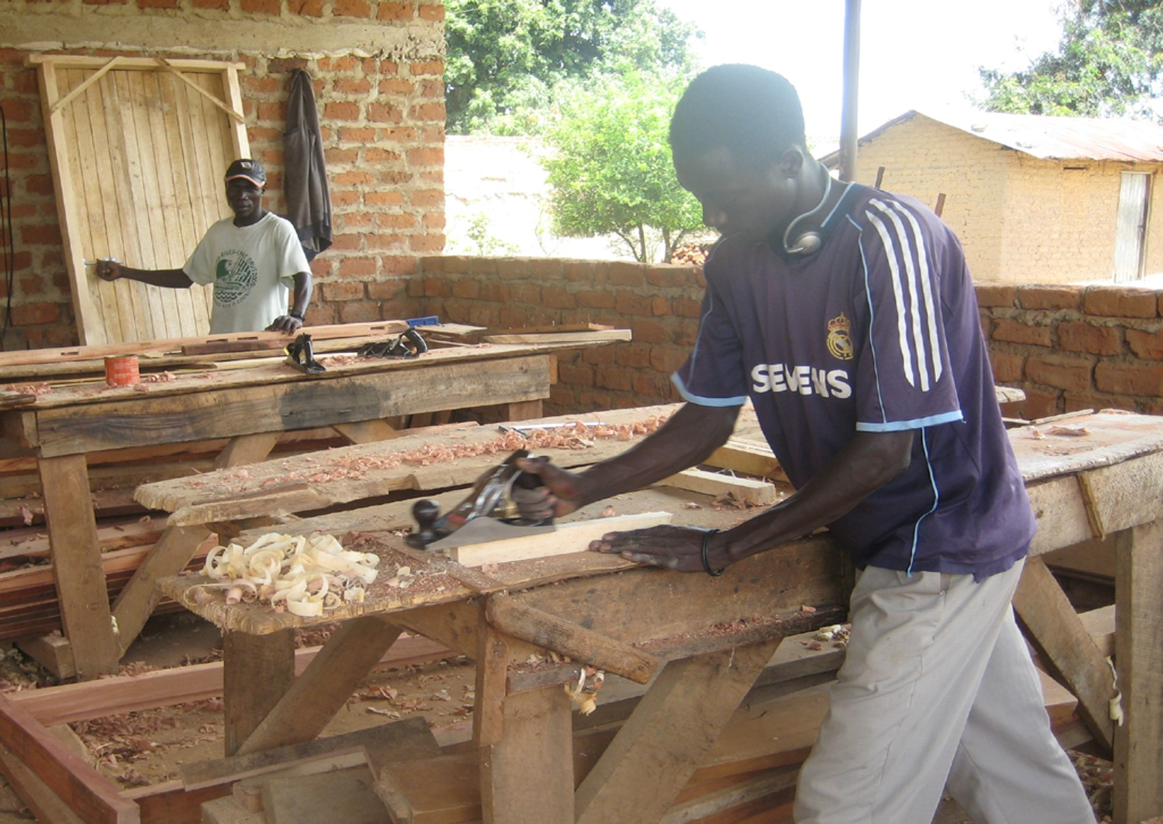
PRIDE Microfinance, which distributes loans and cash grants, and the ILO, which delivers "Start and Improve Your Business" training, worked with researchers to test what actually grows small businesses among Ugandan microentrepreneurs across four semi-urban districts.
Test whether loans, cash grants, entrepreneurship training, or combinations of these grow small businesses, and whether effects differ between men and women.
Researchers randomly assigned 1,550 microenterprise owners across four semi-urban districts in Uganda (2012–2013) to loans, grants, training, or combinations of these.
Men who received loans together with training saw profits increase by 54% six months after the programme ended, with the effect growing slightly by nine months. Grants alone, with or without training, produced no measurable profit gain for men. For women, none of the treatments — loans, grants, training, or any combination — produced a significant profit increase.
Follow-up work attributes the gender gap partly to intra-household bargaining: women report more pressure to divert business capital to immediate household needs, while men's repayment obligations on loans push them toward productive investment. The result is a caution against assuming standardised microenterprise support works equally for men and women.
Do you run this practice? Claim it — verified implementers get a public contact pathway and can propose corrections.
Where this practice's information was retrieved from, and when.
Peru
FINCA Perú added 22 short entrepreneurship-training sessions to routine village-bank meetings for 4,591 mostly female microfinance clients in Ica and …
Zambia
Zambia's first tech hub, founded in 2011, had aided ~1,300 startups and channelled $2m+ by 2020 (TechCabal); by 2026 it …
Togo
A Science-published RCT in Lomé assigned 1,500 microfinance clients to psychology-based 'personal initiative' training, traditional business training, or no training; …
Dominican Republic
Banco ADOPEM and researchers randomly assigned 1,193 Santo Domingo microentrepreneurs to standard accounting training, simplified rule-of-thumb training, or none. The …
Open full copilot Grounded in cited practices — always check the sources.