Better Factories Cambodia — Linking Trade Access to Labour-Standards Compliance
Cambodia
Since 2001, ILO-IFC's Better Factories Cambodia has tied garment-export access to independently monitored labour standards. A Tufts/NBER study (2015-18) found …
Nepal · Pokhara · See the Nepal profile
Evidence: Descriptive / self-reported Top 83% 52/100 · Ask Evidence Copilot about this practice
Nepal's $80m World Bank-financed REED project pairs rural agri-SMEs with mentors for business diagnostics and coaching; two Pokhara firms tracked by the Bank roughly doubled sales and output within a year of enrolling.
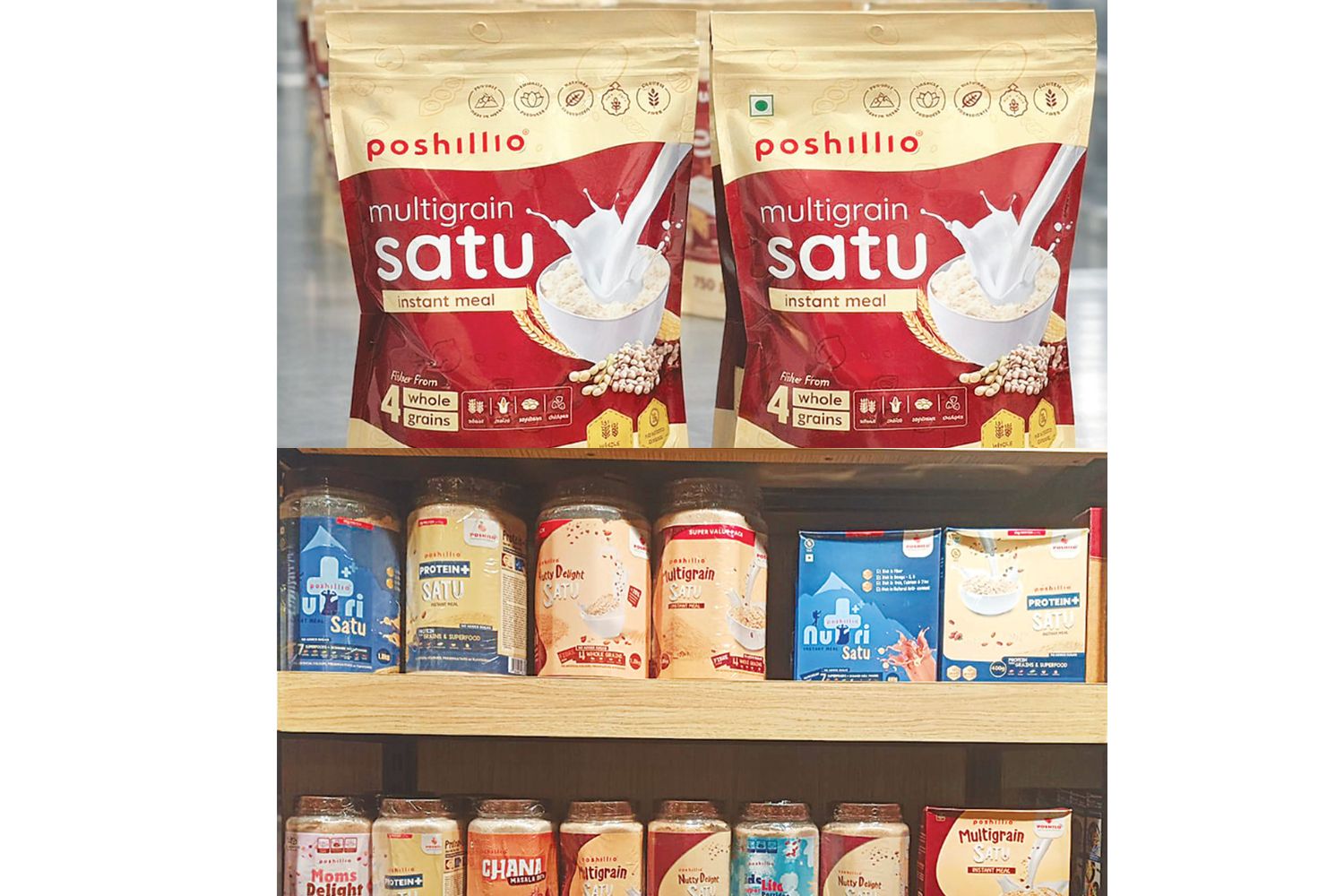
The Rural Enterprise and Economic Development (REED) Project is an $80 million project financed by the World Bank and implemented by Nepal's Ministry of Agriculture and Livestock Development, running since 2021 across six provinces via four Economic Corridor Offices.
REED pairs rural agri-SMEs with mentors — each working with four to six firms — who deliver business diagnostics, incubation action plans and coaching aimed at connecting producers to buyers and raw-material suppliers.
By early 2025, 102 SMEs and startups had gone through business diagnostics and training, with 25 firms selected into a pilot incubation cohort.
Two tracked Pokhara-based food processors illustrate the range of results: Poshilo Foods grew daily sales volume from 350 kg to 600 kg and its institutional buyer base from one to five, while Harilo Agro Industries, which started with a Rs 50 million investment, saw revenue roughly double from Rs 20 million in 2024 to a Rs 40 million run-rate by March 2025, growing to 23 employees.
The World Bank's own reporting is candid that Nepal's SME ecosystem still lacks systematic data on enterprise survival rates and formal-to-informal transitions, so these results are drawn from a small set of tracked firms rather than a full programme evaluation.
Do you run this practice? Claim it — verified implementers get a public contact pathway and can propose corrections.
Where this practice's information was retrieved from, and when.
Cambodia
Since 2001, ILO-IFC's Better Factories Cambodia has tied garment-export access to independently monitored labour standards. A Tufts/NBER study (2015-18) found …
South Korea
South Korea's long-running national scheme co-finances manufacturing SMEs to install smart-factory systems — automation, data and process control; independent trade …
Rwanda
A KfW-backed credit line channelled through Rwanda's Development Bank lends to export-oriented SMEs at 10–12% versus a 17–19% market rate; …
South Korea
Since 2014 South Korea's Ministry of SMEs and Startups has subsidised smart-factory conversions for SMEs. Government survey data and an …
Open full copilot Grounded in cited practices — always check the sources.