Vietnam Payment for Forest Environmental Services (PFES / VNFF)
Vietnam
Asia's first national PFES law (Decree 99/2010) requires hydropower, water-supply and eco-tourism companies to pay into Vietnam's Forest Fund; 355,000 …
Australia · Cairns · See the Australia profile
Evidence: Observational / pre–post Top 40% 47/100 · Ask Evidence Copilot about this practice
Queensland farmers earn Reef Credits — each equal to 1 kg of nitrogen prevented from reaching the Great Barrier Reef — in a market administered by Eco-Markets Australia; AU$10M government investment; 50,000+ credits generated by 2024; first buyers: HSBC and the Queensland Governm
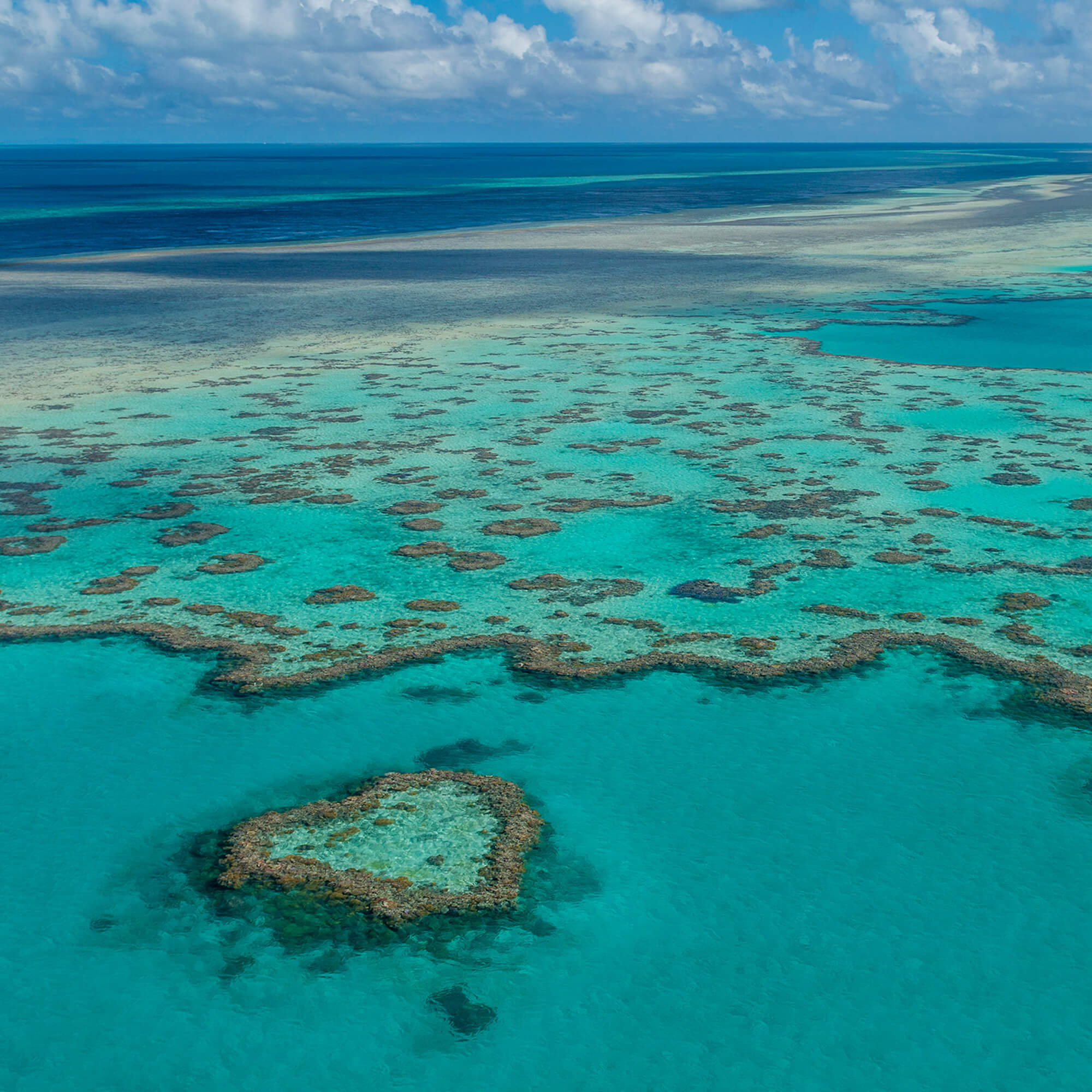
The Reef Credits Scheme is a voluntary environmental market mechanism covering the Great Barrier Reef's 1.8 million km² catchment in Queensland, Australia. It incentivises agricultural landholders, mainly sugarcane growers and graziers, to adopt improved land-management practices that reduce nutrient and sediment runoff into the reef. The scheme is administered by the independent not-for-profit Eco-Markets Australia, promoted by GreenCollar, and supported by the Queensland Government.
The scheme aims to improve water quality entering the Great Barrier Reef by creating a tradeable Reef Credit, defined as one kilogram of dissolved inorganic nitrogen (DIN) prevented from entering waterways, or 538 kilograms of sediment, which landholders can sell to corporate and government buyers.
A pilot phase ran in the Tully River Catchment in 2018-2019, followed by a formal credit-generation and verification process. Credits have since been sold to corporate and government buyers, including a first commercial sale to HSBC in October 2020.
The pilot phase generated 3,125 Reef Credits, and by mid-2024 more than 50,000 credits had been generated, representing over 50 tonnes of dissolved inorganic nitrogen kept out of waterways. The Queensland Government has invested AU$10 million in the scheme, and projections suggest up to 6 million credits could be generated by 2030.
The scheme has a strong formal registry and verification standard for water-quality outcomes but does not address carbon sequestration, and its continued growth depends on sustained landholder participation and corporate buyer demand.
National / regional programmes
Indicative funding routes for practices of this type — always check each programme's current calls and eligibility rules.
Do you run this practice? Claim it — verified implementers get a public contact pathway and can propose corrections.
Where this practice's information was retrieved from, and when.
Vietnam
Asia's first national PFES law (Decree 99/2010) requires hydropower, water-supply and eco-tourism companies to pay into Vietnam's Forest Fund; 355,000 …
Japan
Since 2003, Suntory holds 30–100-year forest management agreements at 27 Japanese sites totalling >12,000 ha, recharging more than twice the …
China
China's first trans-provincial watershed PES: downstream Zhejiang pays upstream Anhui to protect Xin'an River water quality; CNY 2.2 billion exchanged …
Laos
NT2 Power Company pays US$1.3M/year to WMPA to protect the 3,710 km² Nakai–Nam Theun National Protected Area—Laos' largest NPA—for 25 …
Open full copilot Grounded in cited practices — always check the sources.