Red Compartida — Mexico's Wholesale Open-Access Rural Mobile Network
Mexico
Mexico's state-backed wholesale 4G-LTE network, built by private operator Altán Redes to bring low-cost coverage to underserved areas — a …
Nepal · Kathmandu · See the Nepal profile · See the Kathmandu profile
Top 86% 48/100 · Ask Evidence Copilot about this practice
A telecom-revenue levy fund used by Nepal's regulator to subsidise rural connectivity for over two decades — with real disbursement to ISPs, but also documented budget delays that have left many rural broadband projects in limbo.
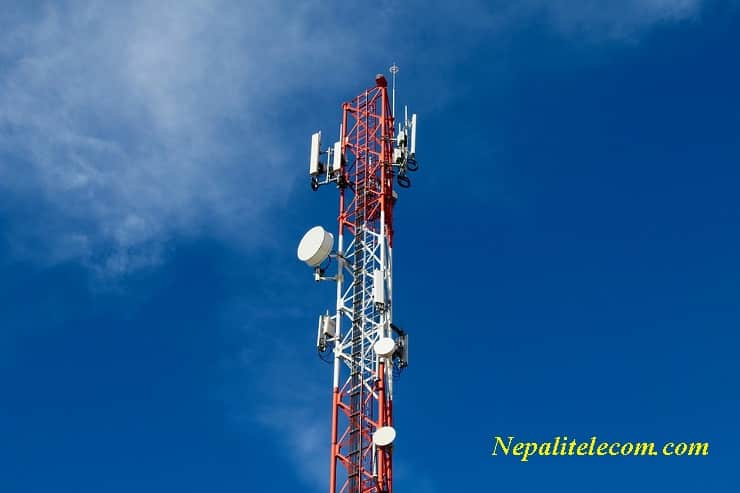
Nepal's Rural Telecommunications Development Fund (RTDF) was established by the Nepal Telecommunications Authority (NTA) under Section 30(4) of the Telecommunications Act 2053 (1997). Every licensed telecom operator and ISP in Nepal must deposit 2% of its annual gross adjusted revenue into the fund, which the NTA then disburses — usually via competitive bidding — to operators willing to build and run telecommunications and broadband services in rural areas that are not commercially viable to serve on a purely private basis.
The fund collects substantial recurring revenue: in fiscal year 2080/81 (2023/24) alone, 63 licensed service providers contributed a combined NPR 2.32 billion (roughly US$17 million) to the RTDF. Cumulatively, the NTA reports having allocated more than NPR 16 billion in capital to ISPs that won bids to deliver broadband services in their assigned rural regions, and the NTA has since partnered on rural mobile-network expansion using solutions such as Huawei's RuralStar to reach areas standard base stations cannot economically cover.
Independent industry reporting (Nepalitelecom.com, Sharesansar) documents that RTDF implementation has been uneven: of a planned 6,331km of highway-corridor connectivity coverage, only 1,656km (about 26%) had been completed as of the 2023 reporting, and multiple articles describe recurring budget-allocation delays and administrative hurdles that have left funded projects in limbo, denying some communities the connectivity the fund was meant to deliver. The NTA has since established a dedicated disbursement committee to oversee fund use and require regular progress reporting from ISPs — an institutional response to the documented delivery gap that is itself a useful, honestly-reported lesson for other universal-service-fund models.
Read the full analysis: https://www.nepalitelecom.com/2023/09/unlocking-connectivity-with-the-rtdf-connecting-rural-areas.html
Implementation detail (cost, timeline, staffing, conditions for success) is not yet available for this practice.
Do you run this practice? Claim it — verified implementers get a public contact pathway and can propose corrections.
Where this practice's information was retrieved from, and when.
Mexico
Mexico's state-backed wholesale 4G-LTE network, built by private operator Altán Redes to bring low-cost coverage to underserved areas — a …
Botswana
Botswana's BTC, funded via the Universal Access and Services Fund, is wiring underserved villages with satellite-backed broadband and free Wi-Fi …
Nepal
Starting from a single WiFi link to Pokhara in 2002, teacher Mahabir Pun and volunteer engineers built the Nepal Wireless …
Kenya
Safaricom's M-Pesa turned basic phones into bank accounts across Kenya. A landmark Science study found it lifted 194,000 households out …
Open full copilot Grounded in cited practices — always check the sources.