As-Samra Wastewater Treatment Plant — Zarqa River Reuse for Jordan Valley Irrigation
Jordan
Jordan's largest wastewater plant treats ~70% of the country's sewage and discharges 133 million m³/year of high-quality effluent into the …
Tunisia · Tunis · See the Tunisia profile · See the Tunis profile
Evidence: Observational / pre–post Top 89% 27/100 · Ask Evidence Copilot about this practice
Since the 1980s, Tunisia's ONAS has run a national programme reusing treated wastewater for irrigation and aquifer recharge; in 2024 it reused 64.9 million m³ (22% of treated volume) across 7,590 hectares and 9 golf courses, plus a groundwater-recharge pilot at Korba.
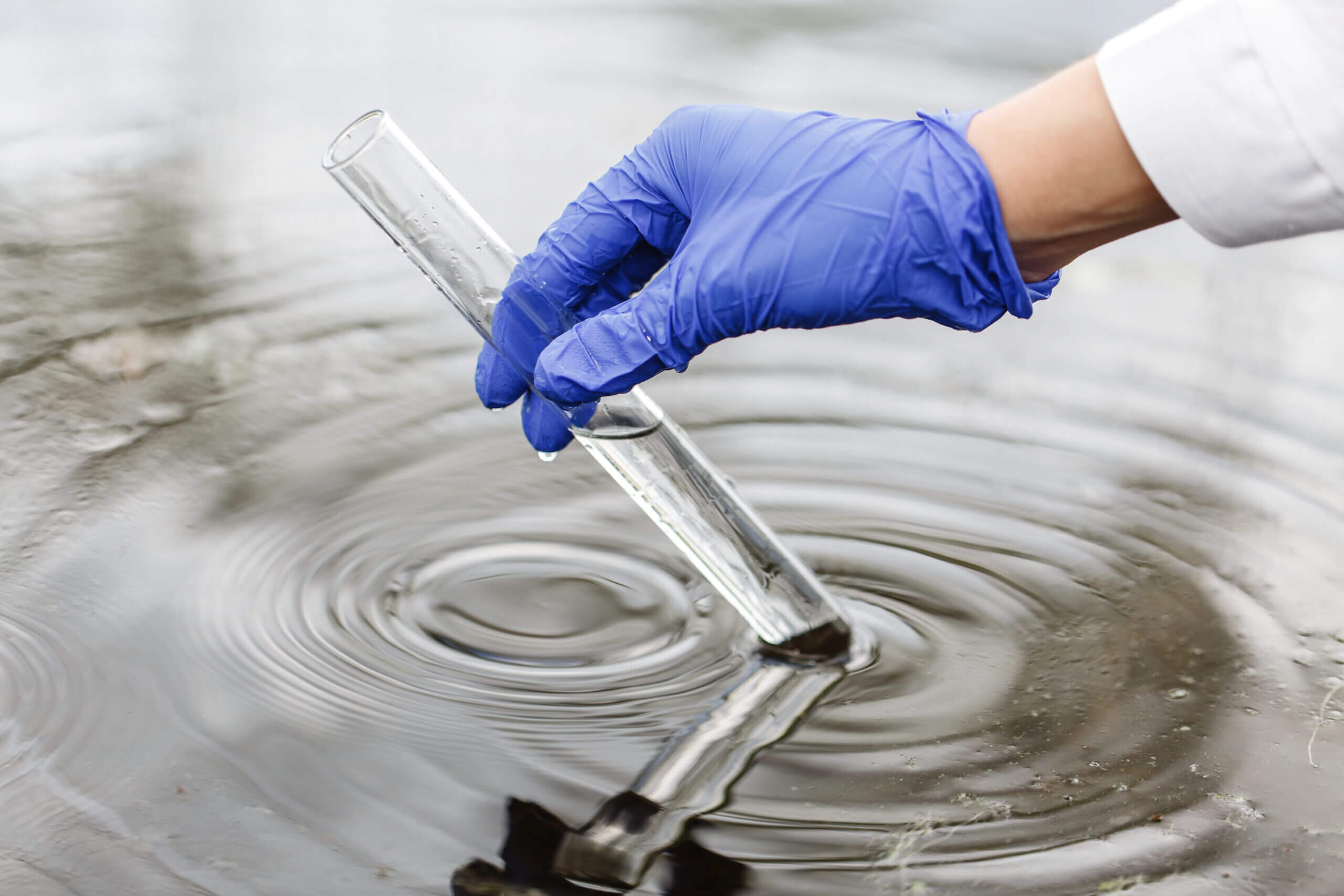
Tunisia began studying treated-wastewater reuse in 1960 and launched a national reuse policy in the early 1980s, run by ONAS (Office National de l'Assainissement). The number of treatment stations grew from just 5 in 1975 to 127 by 2023, reflecting decades of steady infrastructure build-out across the country's main urban centres, including Tunis, Sousse and Sfax.
In 2024 ONAS managed 295 million m³ of wastewater, of which 72.5% met national quality standards for reuse. Of the treated volume, 64.9 million m³ (about 22%) was actually reused: 11.12 million m³ irrigated 29 agricultural perimeters covering 7,590 hectares (mainly orchards and fodder crops), 6.94 million m³ supplied 9 golf courses, and a smaller volume went to green-space irrigation. A groundwater-recharge project at Korba, in Nabeul governorate, uses treated effluent to help replenish a coastal aquifer under saline-intrusion pressure.
The 2024 figures show a mature, diversified reuse portfolio spanning agriculture, golf-course and green-space irrigation, and aquifer recharge, built on a 60-plus-year institutional track record.
ONAS's own published figures are candid about the programme's limits: more than a quarter of treated water still fails to meet quality standards, and only about a fifth of all treated wastewater is actually put to reuse, with the rest discharged. The organisation states an explicit target of reaching 80% quality conformity through infrastructure rehabilitation.
National / regional programmes
Indicative funding routes for practices of this type — always check each programme's current calls and eligibility rules.
Do you run this practice? Claim it — verified implementers get a public contact pathway and can propose corrections.
Where this practice's information was retrieved from, and when.
Jordan
Jordan's largest wastewater plant treats ~70% of the country's sewage and discharges 133 million m³/year of high-quality effluent into the …
Cyprus
Since 2004, Cyprus's Water Development Department has recharged 9,000-12,000 m3/day of tertiary-treated effluent from the Paphos plant into the Ezousa …
South Africa
TASC and Meat Naturally Africa's GRASS project issued 266,255 Verra VM0042/CCB-certified carbon units for regenerative grazing on 95,000+ ha of …
Brazil
Since 2020, Brazil's CONSERV programme has paid Amazon/Cerrado landowners ~$50-79/hectare twice yearly to conserve legally clearable forest, protecting over 30,000 …
Open full copilot Grounded in cited practices — always check the sources.