SEDIP — Ecuador's Innovatrics ABIS Unifying Passport, Cédula and Social-Service Access
Ecuador
Ecuador's Registro Civil migrated 13.7 million legacy records onto an Innovatrics ABIS platform to issue biometric passports and electronic cédulas …
India · New Delhi · See the India profile · See the New Delhi profile
Evidence: Descriptive / self-reported Top 62% 53/100 · Ask Evidence Copilot about this practice
UIDAI's new 'Invisible Shield' AI system matches fingerprint, face and iris data against India's 1.3-billion-record Aadhaar database to catch duplicate enrolments. Rolled out from Feb. 2026, still expanding state by state, with no independently audited accuracy figures yet.
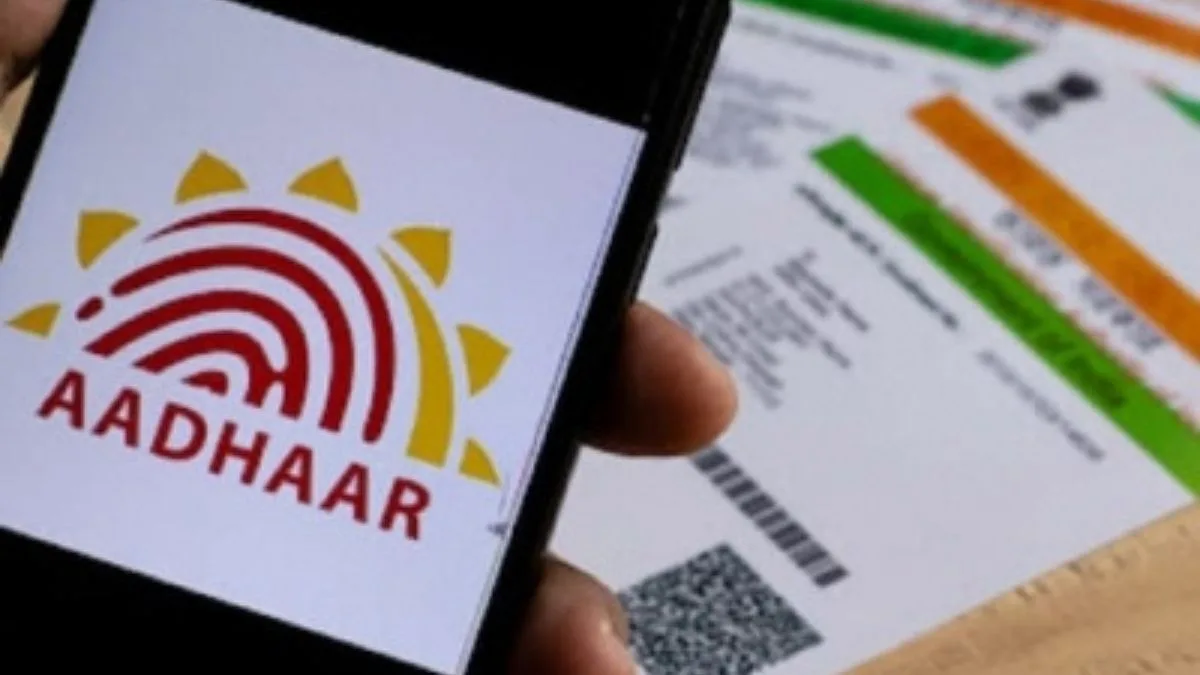
India's Aadhaar programme has issued a biometric digital identity to more than 1.3 billion residents, built on a single guiding rule: one person, one number. Enforcing that rule requires checking every new enrolment or biometric update against the entire national database in near-real time — a matching problem no manual process could sustain at this scale.
The system aims to improve both the accuracy and speed of the billions of pairwise comparisons the deduplication check requires, replacing an earlier engine as a defence against duplicate and fraudulent enrolments.
In February 2026, the Unique Identification Authority of India (UIDAI) rolled out 'Invisible Shield', a next-generation Automated Biometric Identification System (ABIS) built with the International Institute of Information Technology, Hyderabad (IIIT-H), running indigenously developed AI models for fingerprint, facial and iris matching on NVIDIA DGX inference infrastructure. UIDAI states the platform is already active in several states with nationwide expansion planned over the following months.
As of publication, UIDAI had not released independently audited accuracy or false-match/false-non-match figures for the new system.
Aadhaar's biometric matching has drawn scrutiny before, including documented cases where fingerprint or iris failures denied legitimate residents access to services. The rollout is worth tracking for whether independent evaluation follows the technical claims.
National / regional programmes
Indicative funding routes for practices of this type — always check each programme's current calls and eligibility rules.
Do you run this practice? Claim it — verified implementers get a public contact pathway and can propose corrections.
Where this practice's information was retrieved from, and when.
Ecuador
Ecuador's Registro Civil migrated 13.7 million legacy records onto an Innovatrics ABIS platform to issue biometric passports and electronic cédulas …
Pakistan
Pakistan's NADRA verifies each citizen's identity once via a fingerprint, face and iris ABIS platform, letting banks, telecoms and welfare …
Philippines
The Philippines' PhilSys uses an AI-powered biometric matching system to confirm each national ID number belongs to one unique person. …
Ghana
Ghana's National Identification Authority merged the Ghana Card register with SSNIT's separate pensioner card, cutting duplicate enrolment for 1.9 million …
Open full copilot Grounded in cited practices — always check the sources.