SEDIP — Ecuador's Innovatrics ABIS Unifying Passport, Cédula and Social-Service Access
Ecuador
Ecuador's Registro Civil migrated 13.7 million legacy records onto an Innovatrics ABIS platform to issue biometric passports and electronic cédulas …
Pakistan · Islamabad · See the Pakistan profile · See the Islamabad profile
Evidence: Descriptive / self-reported Top 47% 60/100 · Ask Evidence Copilot about this practice
Pakistan's NADRA verifies each citizen's identity once via a fingerprint, face and iris ABIS platform, letting banks, telecoms and welfare programmes re-check that record instead of re-enrolling people, at the cost of documented data-protection and exclusion problems.
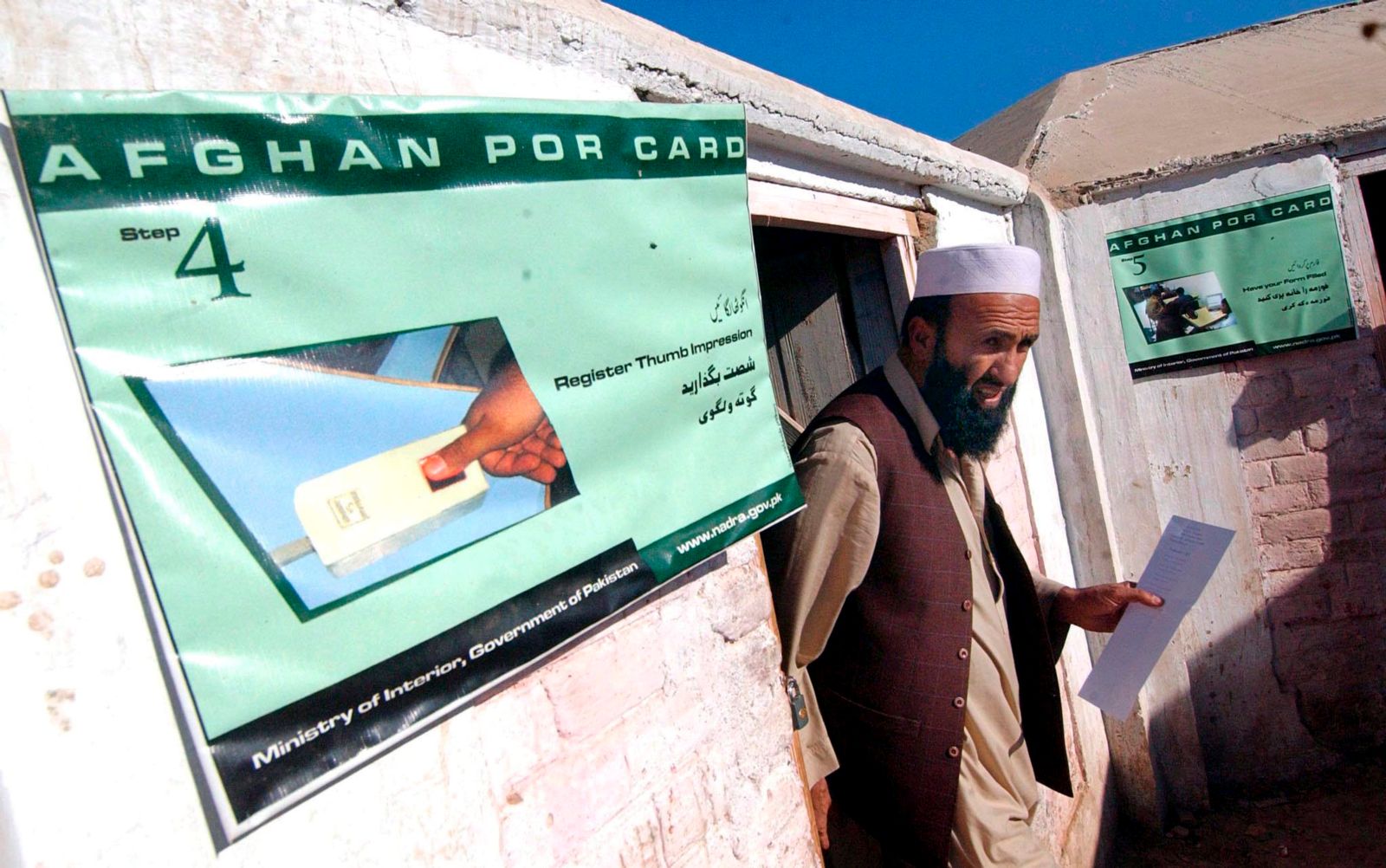
Pakistan's National Database and Registration Authority (NADRA) operates a centralized, multimodal Automated Biometric Identification System anchored to the Computerized National Identity Card (CNIC), covering fingerprint, facial and (since June 2023) iris biometrics. Citizens enrol once, and this single enrolment is reused by banks, telecom operators and government welfare/tax departments rather than each collecting biometrics separately.
The system aims to provide a single, once-only biometric identity that banks can use for account opening, telecom operators for SIM registration, and government departments for tax, welfare and other services, reducing duplicate enrolment and identity fraud.
NADRA enrols citizens' fingerprint, facial and iris biometrics into a central register, and other organisations re-verify identity against this register through the Verisys and e-Sahulat networks, which also link to vehicle registration, utility billing, travel, education, employment and healthcare records.
The CNIC has become a widely used identity anchor across banking, telecom and welfare, but implementation has been marked by repeated data leaks with citizens' information sold online, a 2023 suspension (later provisionally resumed) of CNICs carrying a transgender 'X' marker, and documented enrolment barriers for orphaned children, Afghan refugees and other stateless populations.
NADRA's once-only biometric model shows how a single national enrolment can be reused across many services, but the absence of dedicated data-protection legislation and the documented exclusion and data-security issues indicate governance has not kept pace with the system's scale.
Do you run this practice? Claim it — verified implementers get a public contact pathway and can propose corrections.
Where this practice's information was retrieved from, and when.
Ecuador
Ecuador's Registro Civil migrated 13.7 million legacy records onto an Innovatrics ABIS platform to issue biometric passports and electronic cédulas …
Nigeria
Nigeria's National Identity Management Commission uses AI-driven 1:N biometric matching to stop duplicate enrolments in the National Identification Number database, …
India
UIDAI's new 'Invisible Shield' AI system matches fingerprint, face and iris data against India's 1.3-billion-record Aadhaar database to catch duplicate …
Philippines
The Philippines' PhilSys uses an AI-powered biometric matching system to confirm each national ID number belongs to one unique person. …
Open full copilot Grounded in cited practices — always check the sources.