Gender-Responsive Budgeting Across the National Budget
Albania
Since 2012, Albania has embedded gender analysis into national budget planning, growing tracked gender-equality programmes from 9 to 77 and …
Mexico · Mexico City · See the Mexico profile · See the Mexico City profile
Evidence: Quasi-experimental Top 43% 74/100 · Ask Evidence Copilot about this practice
Mexico City ring-fenced transit-safety budget for women-only bus and metro cars and support centres, after data showed 9 in 10 women had faced transit violence. A quasi-experimental study found an 11-point drop in sexual-violence probability, but a rise in non-sexual violence.
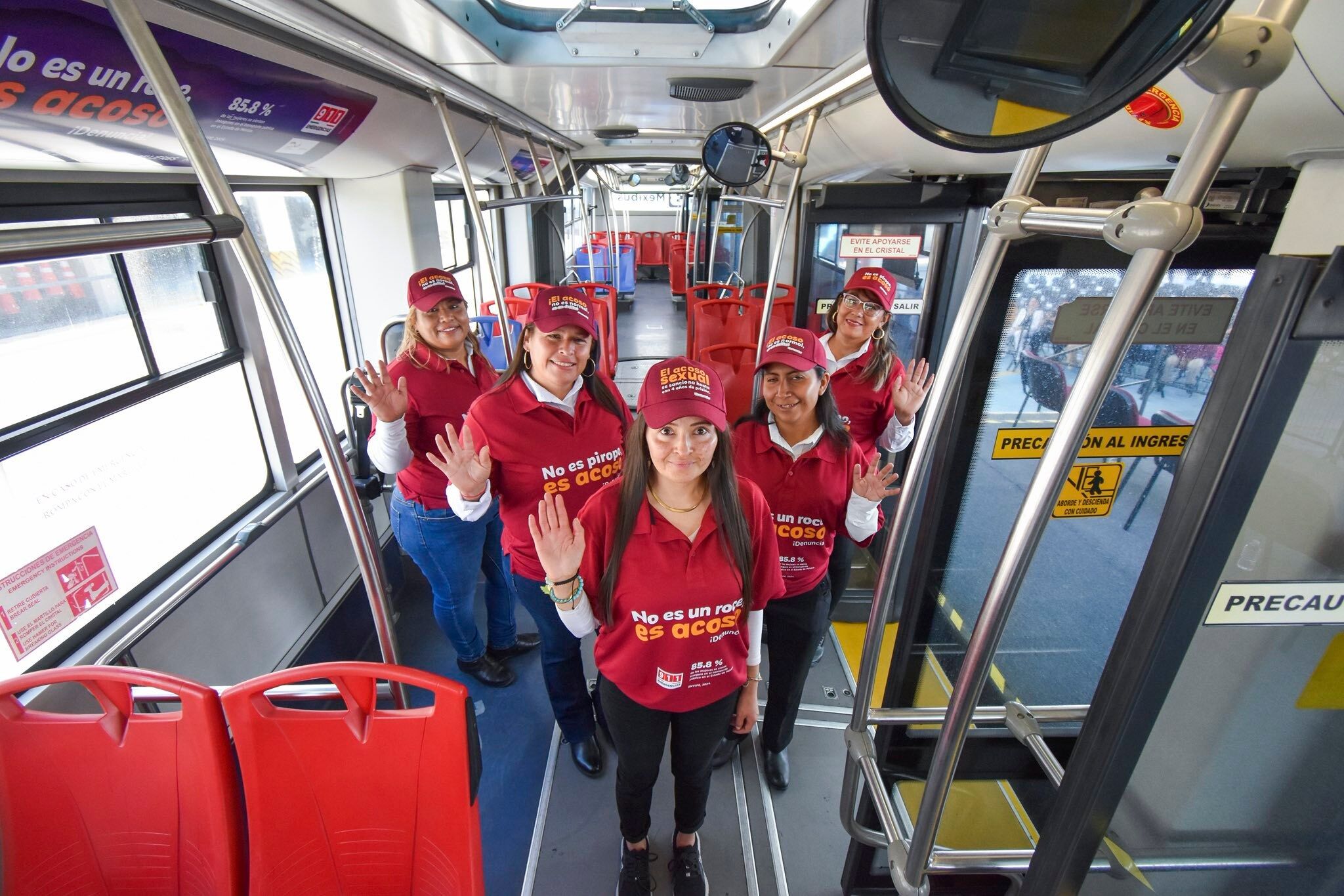
Mexico City began embedding a gender perspective across its municipal budget in 2007, coordinated by the city's Finance Secretariat together with the Mexico City Women's Institute (Inmujeres CDMX) and civil-society partners.
Within that framework the city introduced Viajemos Seguras ('Let's Travel Safely'), restricting some metro and bus cars to women and children during peak hours, after data showed that nine in ten women in Mexico City had experienced violence while using public transport. Between 2015 and 2017 the effort was reinforced under the UN Women/AECID-funded 'Safe Cities and Safe Public Spaces for Women and Girls' programme, which added three support centres in the metro and metrobús network, better lighting at stops, and the 'Vive Segura' mobile app for incident reporting and neighbourhood safety audits.
An independent quasi-experimental study (Soto Villagrán et al., 2017), using a fuzzy regression-discontinuity design around the daily cut-off times when the women-only cars operate, found that the probability of a woman reporting sexual violence fell by more than 11 percentage points during protected hours. The same study found an unintended rise in non-sexual physical violence during the same hours, a trade-off the evaluators flagged for future programme design.
The approach has since informed comparable Safe City programmes funded from local budgets in Puebla and Torreón.
Do you run this practice? Claim it — verified implementers get a public contact pathway and can propose corrections.
Where this practice's information was retrieved from, and when.
Albania
Since 2012, Albania has embedded gender analysis into national budget planning, growing tracked gender-equality programmes from 9 to 77 and …
Uganda
Under the 2015 Public Finance Management Act, every Ugandan ministry, department, agency and local government must score at least 50% …
South Africa
In 1995, South African civil-society organisations and women MPs launched the world's first parliamentary gender-responsive budget analysis, contributing to VAT …
Colombia
Bogotá tags every peso across its 41 district entities for gender impact, publishing an annual tracker (TPIEG) that grew 24% …
Open full copilot Grounded in cited practices — always check the sources.