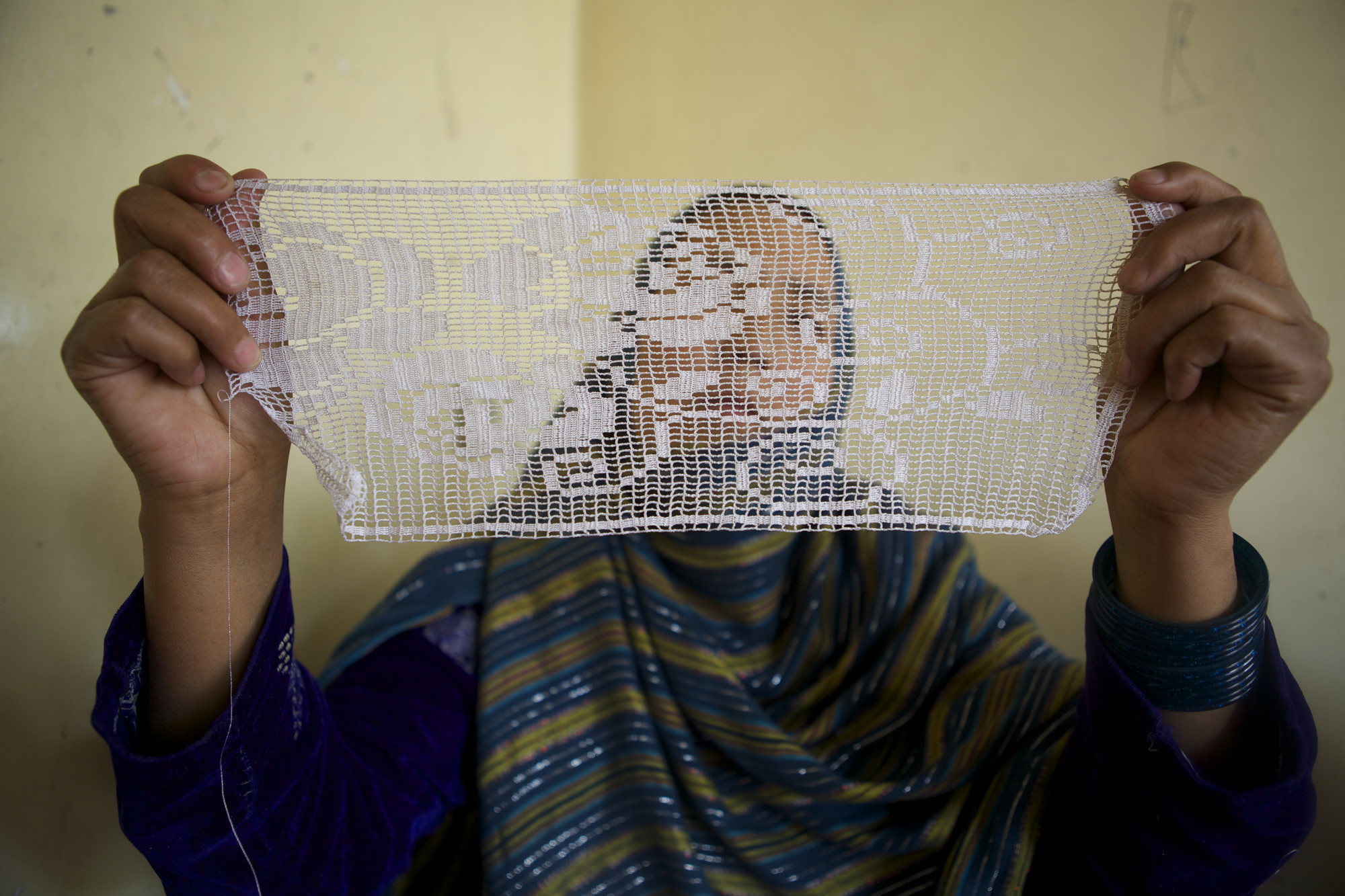
Women for Women International (WfWI) runs a 12-month economic and social empowerment programme: weekly 90-180 minute group sessions of about 25 women, numeracy, business and social empowerment classes, vocational training, a US$10 monthly stipend and savings information. From 2016 to 2018 the South African Medical Research Council, funded by the UK's What Works to Prevent Violence programme, evaluated it in an individually randomised trial in six urban and peri-urban communities of Kabul and Nangarhar: 1,461 women enrolled, 82% retained at the 22-month endline.
The trial did not show the hoped-for drop in violence. Past-year physical IPV (aOR 0.88, 95% CI 0.62-1.23) and severe physical IPV (aOR 0.75, 0.50-1.11) were not significantly lower, nor were depressive symptoms. Economic and attitudinal outcomes did improve: income (beta 3.79), savings (beta 11.79), food insecurity (beta -0.48), gender-inequitable attitudes (beta -0.89) and mobility outside the province (aOR 1.78). A post hoc subgroup with moderate food insecurity showed lower severe IPV (aOR 0.38), which is only suggestive.
Limitations include individual randomisation with possible contamination, differential attrition in one community after a security deterioration, no attendance data and a lost midline. The case shows that empowerment programmes can raise women's agency and resources in a fragile setting without automatically reducing violence.
Read the full analysis: https://www.womenforwomen.org/impact-evaluations/afghanistan-rct-results
Where this practice's information was retrieved from, and when.