JIC — South Moravian Innovation Centre (Brno, Czech Republic)
Czechia
JIC has supported Brno's innovation ecosystem since 2003 — 95% incubator occupancy, 147 new tech companies in 2023, EUR 640 …
Poland · Wrocław · See the Poland profile
Evidence: Descriptive / self-reported Top 39% 71/100 · Ask Evidence Copilot about this practice
Wrocław Technology Park's five campuses host 635 companies and 7,400+ employees (2023); since 2019 the group created 2,600 new specialist jobs, filed 92 patents and underpins PLN 1.7 billion in EU-funded R&D — making WPT Poland's most comprehensive multi-campus technology park.
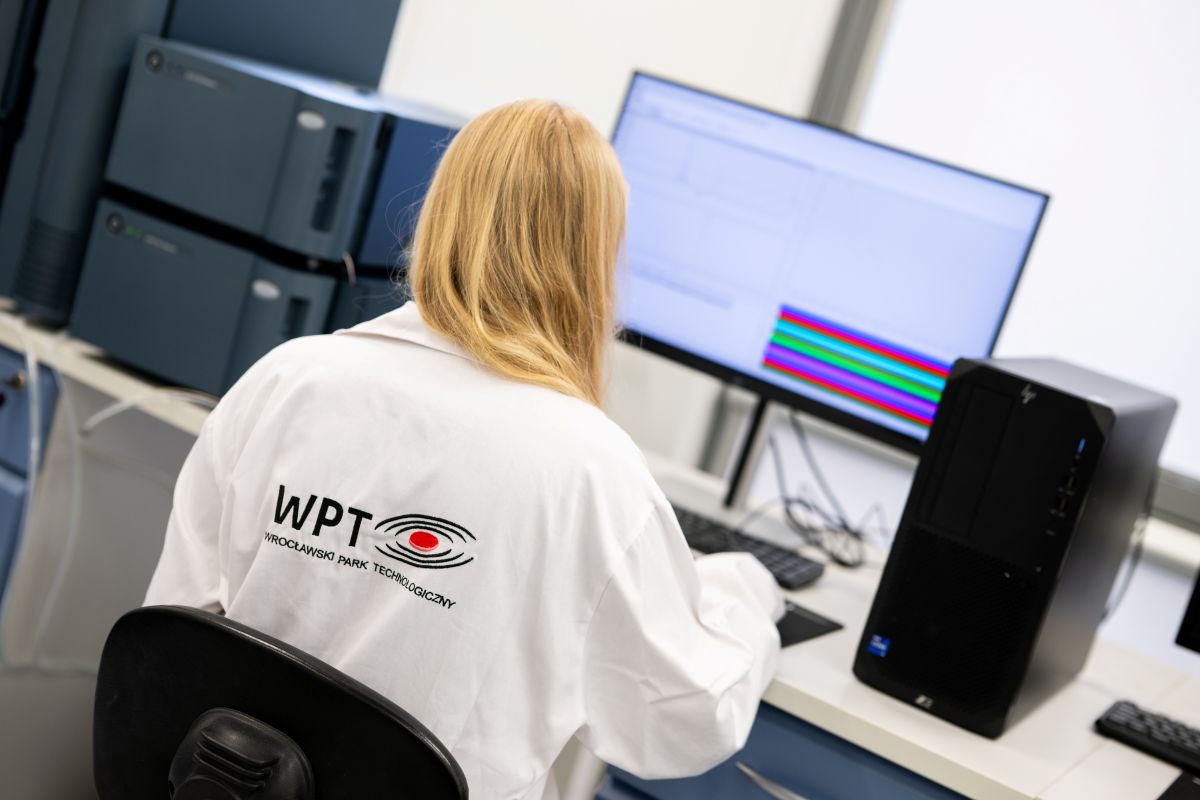
PL51Wrocław Technology Park (WPT) was established in 1998 as a city-backed public company, majority-owned by the City of Wrocław and the Lower Silesian Marshal's Office. It now operates five campuses (Fabryczna, Stabłowicka, Długa, Wschodnia, Południe) totalling over 100,000 m² of laboratory and office space.
Combines physical incubation, pre-seed and seed investment via the WPT VC arm, and applied R&D infrastructure (cleanrooms, biotech labs, nanotechnology facilities), with deep links to Wrocław University of Technology and the Wrocław University of Environmental and Life Sciences.
Between 2019 and 2023 the group created 2,600 specialist jobs, supported 92 patent filings, and facilitated PLN 1.7 billion in EU R&D co-financing for tenant companies. The 2023 intake brought the tenant community to 635 active companies employing 7,400+ specialists.
The model is replicable: WPT helped establish similar parks in Opole and Legnica, demonstrating scalability beyond a single host city.
National / regional programmes ERDF — European Regional Development Fund
Indicative funding routes for practices of this type — always check each programme's current calls and eligibility rules.
Do you run this practice? Claim it — verified implementers get a public contact pathway and can propose corrections.
Where this practice's information was retrieved from, and when.
Documented replications and adaptations of this practice elsewhere.
| Place | When | Adopter | Outcome |
|---|---|---|---|
| Opole, Poland | — | — | WPT helped establish a similar technology park model in Opole, demonstrating inter-city scalability. |
| Legnica, Poland | — | — | WPT helped establish a similar technology park model in Legnica, demonstrating inter-city scalability. |
Czechia
JIC has supported Brno's innovation ecosystem since 2003 — 95% incubator occupancy, 147 new tech companies in 2023, EUR 640 …
Canada
MaRS (est. 2000) is Canada's flagship urban innovation hub in Toronto. By 2022, ventures it supported had created 33,000+ jobs, …
Poland
City-backed science park (2006): 80+ resident companies in 40,000 m² in Gdańsk, 97% occupied. Tech Incubator supports university spin-offs; 2024 …
Iran
Opened in 2001 near Tehran, Pardis Technology Park now hosts over 370 resident high-tech firms and 6,000 specialists, per the …
Open full copilot Grounded in cited practices — always check the sources.