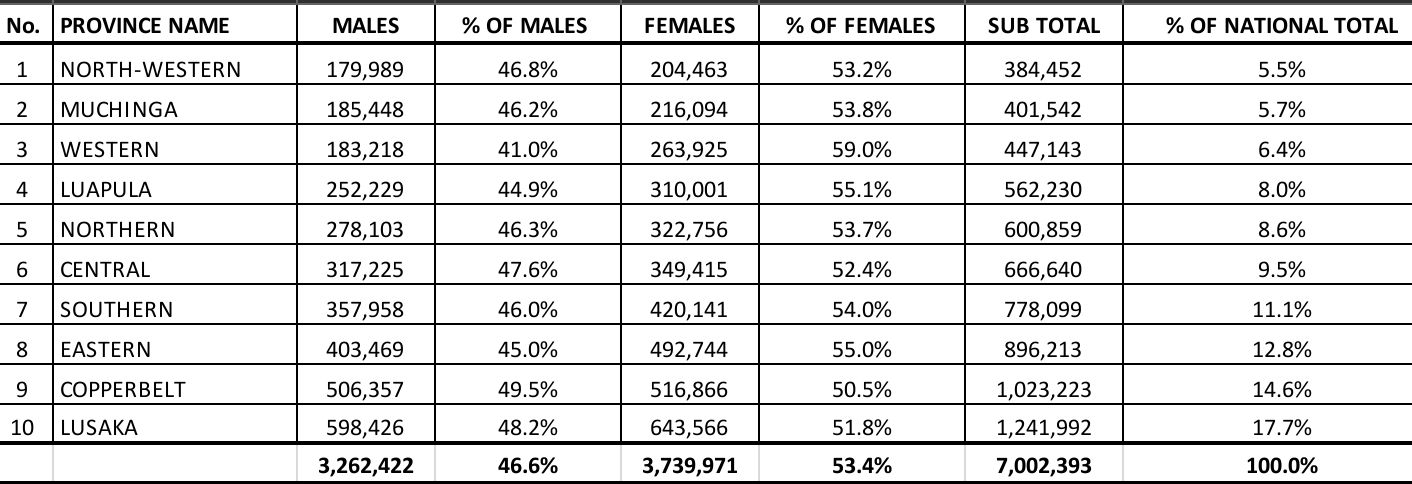
Zambia's 2020 voter registration exercise replaced a manual, paper-based roll with a biometric system collecting ten fingerprints and a facial photograph per registrant, aimed at ending recurring complaints of duplicated registration numbers and inflated voter rolls.
In February 2021, the Electoral Commission of Zambia's Chief Electoral Officer, Patrick Nshindano, announced that automated biometric matching had already screened out approximately 18,000 duplicate or double registrations from a provisional register of 7,002,393 voters (53.4% female, 46.6% male). The ECZ then ran a public electronic-inspection window (7 February – 7 May 2021, accessible via USSD *214# and the eczovr.org portal) and a physical-inspection period (29 March – 2 April 2021) so citizens could verify or contest their own entries before the final roll was certified.
Public reporting covers the topline dedup and inspection figures but stops there: the ECZ has not published an independent technical audit of the biometric-matching algorithm's false-match or false-duplicate rates, so the 18,000 figure should be read as the Commission's own count rather than an externally verified accuracy measure.
Read the full analysis: https://zambianbusinesstimes.com/biometric-system-aids-to-root-out-18k-duplicate-registrations/
Where this practice's information was retrieved from, and when.