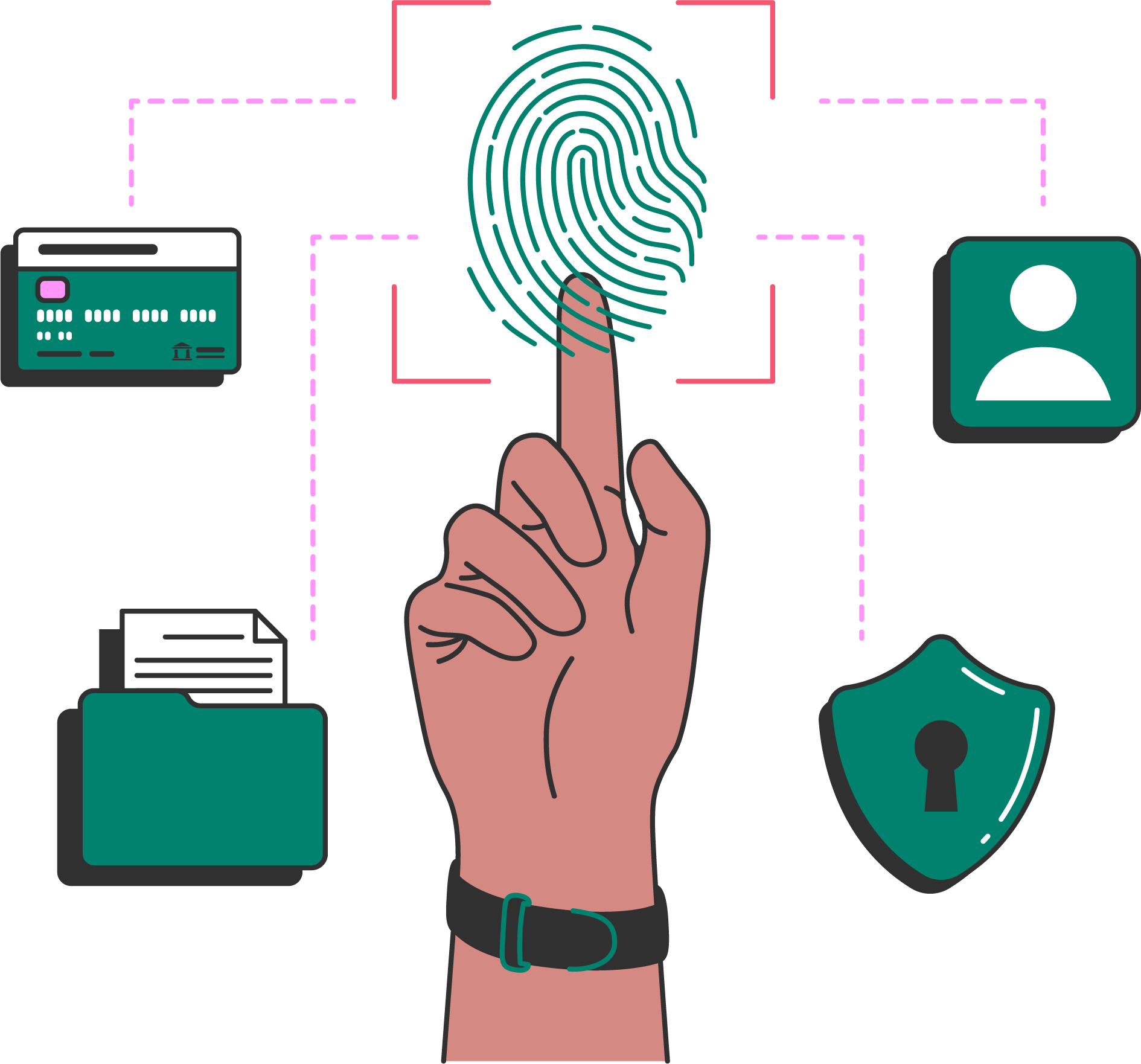
A NIRA do Uganda migrou mais de 28 milhões de registos de identidade para uma plataforma baseada no MOSIP, usando o ABIS da Tech5 para cruzar impressões digitais, íris e face, para que cada cidadão se registe uma só vez.
28+ million records
Identity records migrated from the legacy database (by Feb 2026)
14.3 million (90.5% of target)
Renewals completed against target (by Feb 2026)
6.4 million (37.3% of target)
First-time enrolments completed against target (by Feb 2026)
10,000+ records
National ID records flagged for inconsistencies
Detalhes
Maturidade
Em expansão
Promotor
National Identification and Registration Authority (NIRA)
Período
2024–present
Palavras-chave
digital identity, biometrics, civil registration
Contexto
Uganda's National Identification and Registration Authority (NIRA) is replacing its legacy national ID system with a MOSIP-based platform built by Tahaluf as prime contractor, with Technoforte as system integrator and Tech5 supplying the Automated Biometric Identification System (ABIS) used for de-duplication. ABIS cross-references fingerprints, iris scans and facial images so each citizen receives one unique identifier before a card is issued.
Objetivos
The project's stated ambition is to bring 50 million people into a single digital identity ecosystem and migrate 30 million legacy records, laying the technical foundation for a once-only registry that other agencies can eventually query instead of re-collecting citizen data, with civil registry modules for births and deaths intended for later integration.
Atividades
A mass campaign launched in May 2025 targeted 15.8 million renewals and 17.2 million first-time registrations. By February 2026, NIRA reported more than 28 million identity records migrated from the legacy database and over 35 million total enrolments captured in the new population register.
Resultados
As of the February 2026 update, 14.3 million renewals (90.5% of target) and 6.4 million first-time enrolments (37.3% of target) had been completed, with 10.1 million cards printed and 2.5 million collected. During the drive, NIRA also flagged more than 10,000 national ID records for inconsistencies such as falsified details or unauthorised changes, a by-product of automated biometric and data cross-matching rather than a designed impact metric.
Conclusões
The figures show the rollout is real but still well short of universal coverage, and no independently audited false-match/non-match rates, cost data or outcome evaluation, such as a measured reduction in duplicate benefit claims, have been published; the evidence base so far is operational and vendor/agency-reported rather than independently verified.
Implementação
Custo indicativo
Elevado (500 mil €–5 M€)
Tempo até resultados
Longo (> 3 anos) — Mass campaign launched May 2025; targets partially met by the February 2026 update; civil registry (births/deaths) modules planned for later integration.
Equipa e competências
National Identification and Registration Authority (NIRA), implementing agency, Tahaluf, prime contractor, Technoforte, system integrator, Tech5, ABIS vendor
Condições de sucesso
MOSIP open-source platform as the technical foundation
Multi-modal biometric cross-matching (fingerprint, iris, face) for de-duplication
Mass renewal/registration campaign infrastructure and targets
Modos de falha comuns
No independently audited false-match/non-match rates or cost data published
First-time enrolment target only 37.3% complete as of the latest update, well short of universal coverage
Habitualmente financiado por
National / regional programmes
Vias de financiamento indicativas para práticas deste tipo — verifique sempre os avisos abertos e as regras de elegibilidade de cada programa.
Implementa esta prática?
Reivindique-a —
implementadores verificados obtêm um contacto público na página e podem propor correções.
Fontes de dados
De onde foi obtida a informação desta prática, e quando.