Orange Digital Center Guinée — Free Digital Skills and FabLab Hub in Conakry
Guinea
Opened in 2022 as the network's 13th site, Orange Digital Center Guinée offers free coding, FabLab and startup-acceleration training in …
Nigeria · Abuja · See the Nigeria profile · See the Abuja profile
Evidence: Observational / pre–post Top 63% 62/100 · Ask Evidence Copilot about this practice
Nigeria's federal digital-skills programme aims to train 3 million tech workers by 2027; after two years it had onboarded ~90,000 of 1.8M applicants, but only 19% of the first cohort completed training and initial job-placement rates were around 11%.
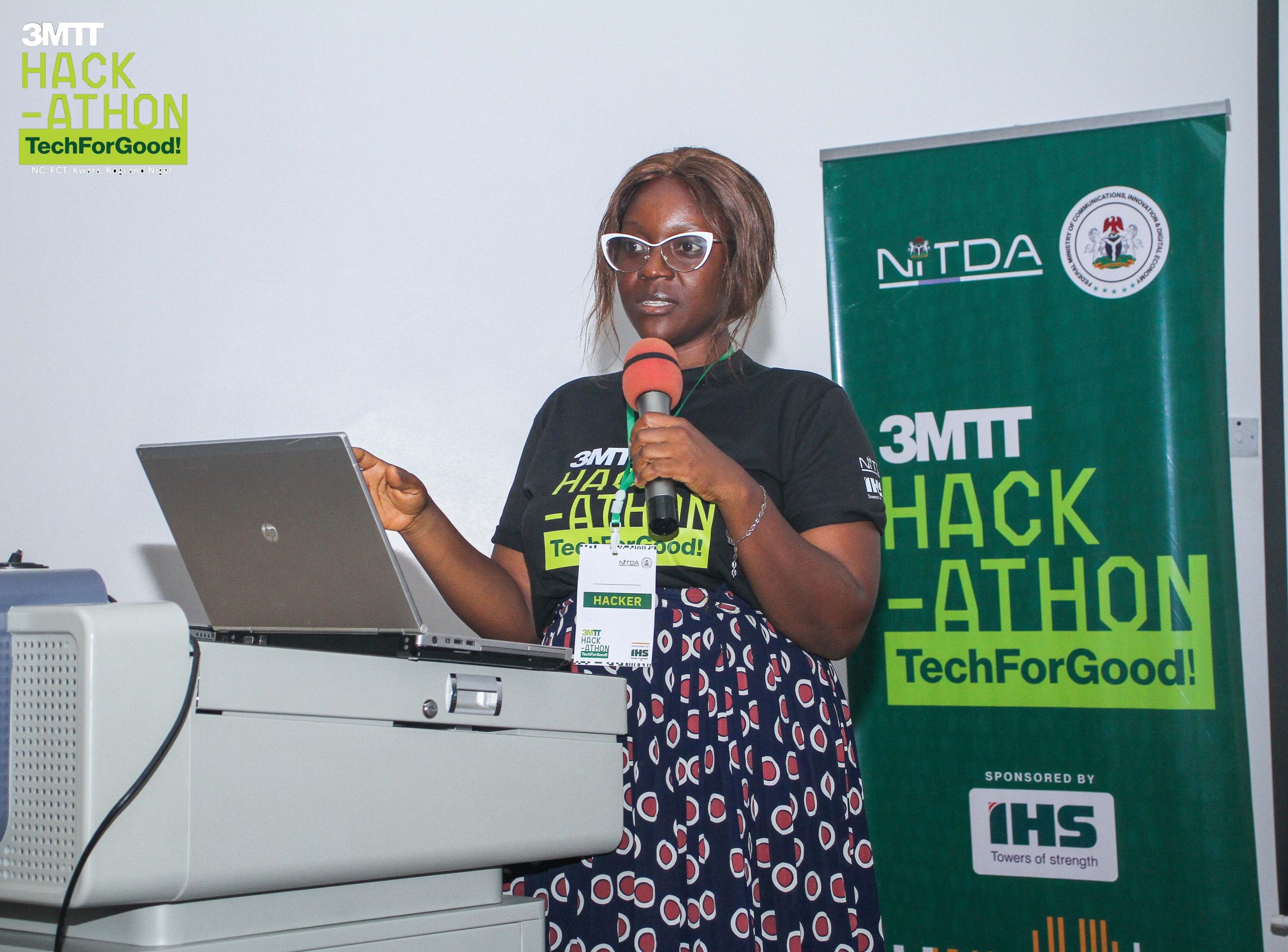
3MTT (3 Million Technical Talents) is a federal digital-skills programme launched in November 2023 by Nigeria's Ministry of Communications, Innovation and Digital Economy, delivered through the National Information Technology Development Agency (NITDA), aiming to train three million Nigerians in software development, data, AI, cybersecurity and design by 2027.
The programme's goal is to position Nigeria as a net exporter of tech talent by building a large, digitally skilled workforce drawn from nearly all of the country's 774 local government areas.
3MTT has drawn more than 1.8 million applications and, by October 2025, had onboarded over 90,000 learners across its first three cohorts, delivered through more than 200 Applied Learning Centres nationwide. Amazon Web Services partners on cloud infrastructure and has modelled an AI-supported learning-assistance approach intended to cut per-learner support costs from roughly $25 to $2.60 a year, aimed at making the eventual 3-million-learner target financially viable.
The programme reports more than 7,500 fellows placed into jobs through employer networks, with female participation at 35% against an internal 40% target. Independent review by TechCabal of the first cohort found that only 6,000 of the 31,270 selected fellows (19%) completed the programme, with an 11.2% job-placement rate, and raised questions about whether a three-month course adequately prepares fellows for employment.
3MTT shows a national government building large-scale digital-skills infrastructure and AI-assisted delivery to reach a very large target population, but independent cohort-level data shows completion and placement rates for the first cohort were modest relative to the programme's ambitions.
National / regional programmes
Indicative funding routes for practices of this type — always check each programme's current calls and eligibility rules.
Do you run this practice? Claim it — verified implementers get a public contact pathway and can propose corrections.
Where this practice's information was retrieved from, and when.
Guinea
Opened in 2022 as the network's 13th site, Orange Digital Center Guinée offers free coding, FabLab and startup-acceleration training in …
Kenya
Kenya's national digital-jobs programme has trained ~391,000 youth since 2016 via 101 empowerment centres and mentorship, linking them to online …
Kosovo
Established in 2012 with Norwegian government support, Innovation Centre Kosovo has trained over 11,000 people through 671 courses and supported …
Canada
Since 2004, Toronto's TRIEC Mentoring Partnership has logged 27,000+ mentoring matches for skilled immigrants; an independent, federally funded evaluation found …
Open full copilot Grounded in cited practices — always check the sources.