Turia Gardens — Valencia's Flood-Diverted Riverbed Turned into a 9-km Linear Park
Spain
After the 1957 flood the Turia was diverted south of Valencia and the dry riverbed became a ~9–10 km linear …
Türkiye · Istanbul · See the Türkiye profile · See the Istanbul profile
Evidence: Descriptive / self-reported Top 96% 20/100 · Ask Evidence Copilot about this practice
Built on the former Atatürk Airport site, Istanbul's 121.5-hectare National Garden opened in November 2025 with 20,000+ trees and a 2.5km waterway, part of a 15-garden Istanbul programme, despite a Council of State ruling that cancelled the project's tender.
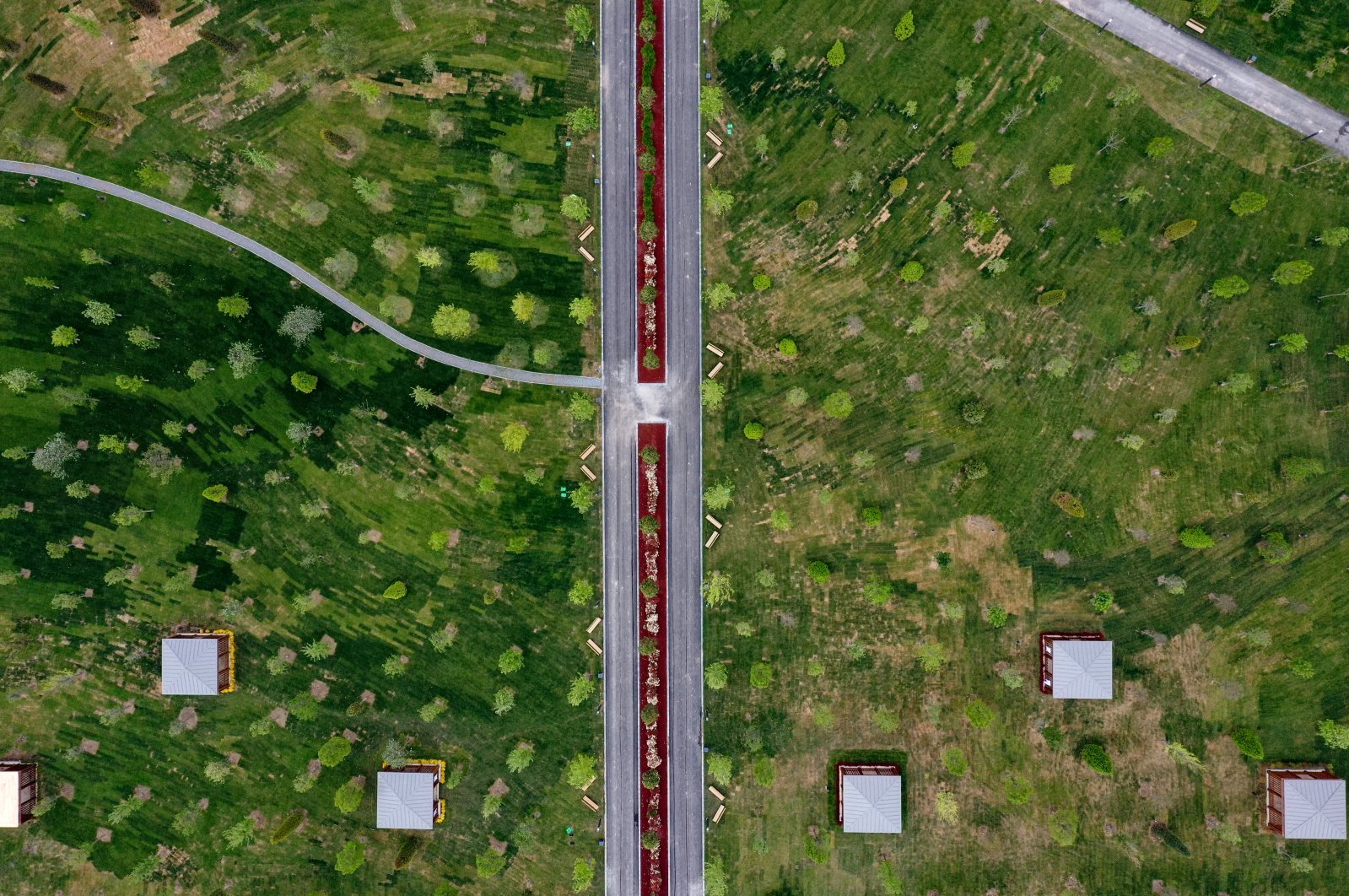
TR10Turkiye's Ministry of Environment, Urbanization and Climate Change converted part of the decommissioned Ataturk Airport in Istanbul into a 1,215,000 m2 (about 121.5-hectare) 'national garden,' which opened on 1 November 2025 as the country's largest city park.
The site was planted with more than 20,000 trees and over 1,000,000 m2 of lawn, and includes a 2.5-kilometre artificial waterway, nine entrances and seven symbolic hills representing Istanbul's districts; officials say it is designed to shelter up to 165,000 people during emergencies. The park is one of 15 national gardens the Ministry has opened in Istanbul, with a further 27 under construction nationally toward a stated target of 100 million square metres of new green space by 2028.
Turkey's Council of State (Danistay) issued a ruling reported in February 2024 that cancelled the Ataturk Airport garden's tender/authorisation on procedural grounds, but construction continued regardless. More broadly, independent reporting found the Housing Development Administration (TOKI) spent roughly 213.9 million Turkish lira (about US$6.6 million) on just 11 national-garden tenders between January and May 2024 alone.
Opposition figures and environmental groups have criticised the programme's tender processes and, in cases such as the Lake Salda national garden, its lack of a completed environmental impact assessment before construction began. As a designed park of lawns, hardscape and an artificial waterway rather than restored habitat, the site's contribution to biodiversity or ecosystem carbon storage is not evidenced in available sources; its documented value lies chiefly in public green space, urban cooling potential and emergency-shelter capacity, offset by real governance concerns.
National / regional programmes
Indicative funding routes for practices of this type — always check each programme's current calls and eligibility rules.
Do you run this practice? Claim it — verified implementers get a public contact pathway and can propose corrections.
Where this practice's information was retrieved from, and when.
Spain
After the 1957 flood the Turia was diverted south of Valencia and the dry riverbed became a ~9–10 km linear …
Lithuania
Vilnius City Municipality's ongoing greening programme (launched 2021) planting trees, shrubs and green roofs city-wide, with roughly €2 million allocated …
Saudi Arabia
Riyadh's US$11bn programme targets 7.5m trees by 2030, irrigated by treated wastewater. No cumulative delivery figure has ever been published, …
Mexico
Mexico City turned over 1,000 elevated-highway pillars into vertical gardens using closed-loop rainwater irrigation, but its founder and the city …
Open full copilot Grounded in cited practices — always check the sources.