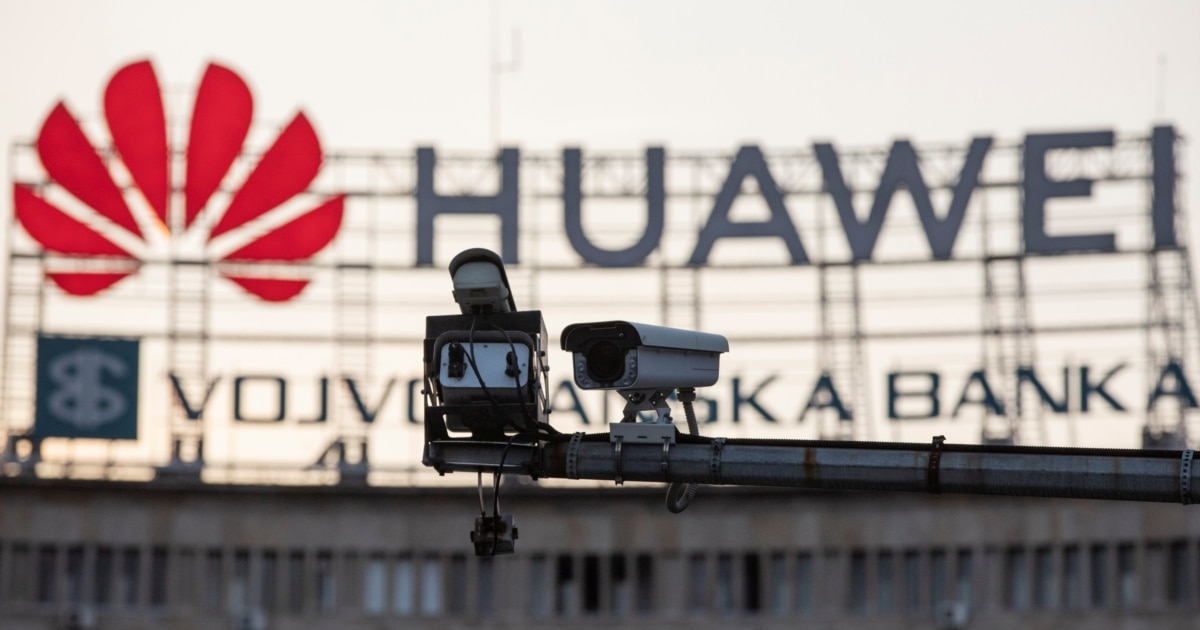
Belgrade deployed 1,000+ Huawei-built AI cameras from 2017. Serbia's data-protection commissioner twice ruled the impact assessment unlawful; 2024 orders were still sized for 3,500 more cameras, and a 2025 breach at contractor Informatika AD exposed 1.7M files.
1,000+
Cameras initially deployed (2017)
57%
First contract price discount (2017)
92%
Software package price discount (2017)
3,500 cameras
Additional camera capacity in 2024 procurement order (March 2024)
1.7 million+ files
Files exposed in the 2025 Informatika AD breach (June 2025)
Details
Maturity
Scaling
Promoter
Ministry of Interior of Serbia, with Huawei and state IT contractor Informatika AD
Period
Announced 2017; camera network expanded through at least a March 2024 procurement order; facial-recognition legal status unresolved as of 2025
Keywords
public safety, video surveillance, facial recognition, policing
Context
Belgrade's 'Safe City' project, announced by Serbia's Ministry of Interior in 2017, deployed AI-enabled video cameras with facial-recognition and licence-plate-recognition capability built around Huawei technology. It initially covered roughly 1,000 cameras, framed as a crime-reduction measure for the 1.1-million-resident capital. The first contract was discounted 57%, from an initial $3 million to about $1.2 million, with one software package discounted 92%, from $1.1 million to roughly $71,000.
Results
Serbia's Commissioner for Personal Data Protection twice rejected the Ministry of Interior's Data Protection Impact Assessment, finding it lacked a risk assessment, did not clearly specify which system it covered, and provided no legal basis for processing biometric facial-recognition data. Despite this unresolved legal status, a March 2024 procurement order was sized to support up to 3,500 additional cameras on Serbia's police-only eLTE network, and the system's footprint expanded beyond Belgrade to other Serbian cities. In June 2025, a cyberattack on state IT contractor Informatika AD resulted in more than 1.7 million files being published on the dark web, including over 200 documents related to Interior Ministry procurement.
Conclusions
The government has repeatedly proposed, then withdrawn, legislation intended to retroactively authorise the system following domestic and European Parliament pressure. Authorities have not disclosed a current total camera count or published any independent evaluation of the system's effect on crime.
Implementation
Indicative cost
High (€500k–€5M)
Time to results
Long (> 3 years)
Staffing & skills
Ministry of Interior of Serbia, Huawei, state IT contractor Informatika AD
Conditions for success
lawful data protection impact assessment
clear legal basis for biometric processing
independent oversight
Common failure modes
DPA twice rejected the impact assessment as unlawful
no legal basis established for facial-recognition biometric processing
government repeatedly proposed then withdrew legislation to retroactively authorise the system
2025 data breach at contractor exposed 1.7 million+ files
no independent evaluation of crime-reduction effect published
Do you run this practice?
Claim it —
verified implementers get a public contact pathway and can propose corrections.
Data sources
Where this practice's information was retrieved from, and when.
Mauritius built a nationwide facial-recognition and licence-plate camera network for policing, but an undisclosed contract, a national-security data exemption, and …