SZJ za decu i početnike — Co-Designing Serbia's First Sign-Language Learning App with the Deaf Community
Serbia
UNICEF, two national Deaf associations and IT firm Vega IT co-created "SZJ za decu i početnike", Serbia's first mobile app …
Bhutan · Thimphu · See the Bhutan profile · See the Thimphu profile
Evidence: Descriptive / self-reported Top 82% 52/100 · Ask Evidence Copilot about this practice
A three-day Thimphu Makeathon paired ~100 disabled 'need knowers' with engineers to co-design assistive devices like the SEAT desk for ADHD students, funded by ADB's Japan Fund and now being weighed for national scale-up.
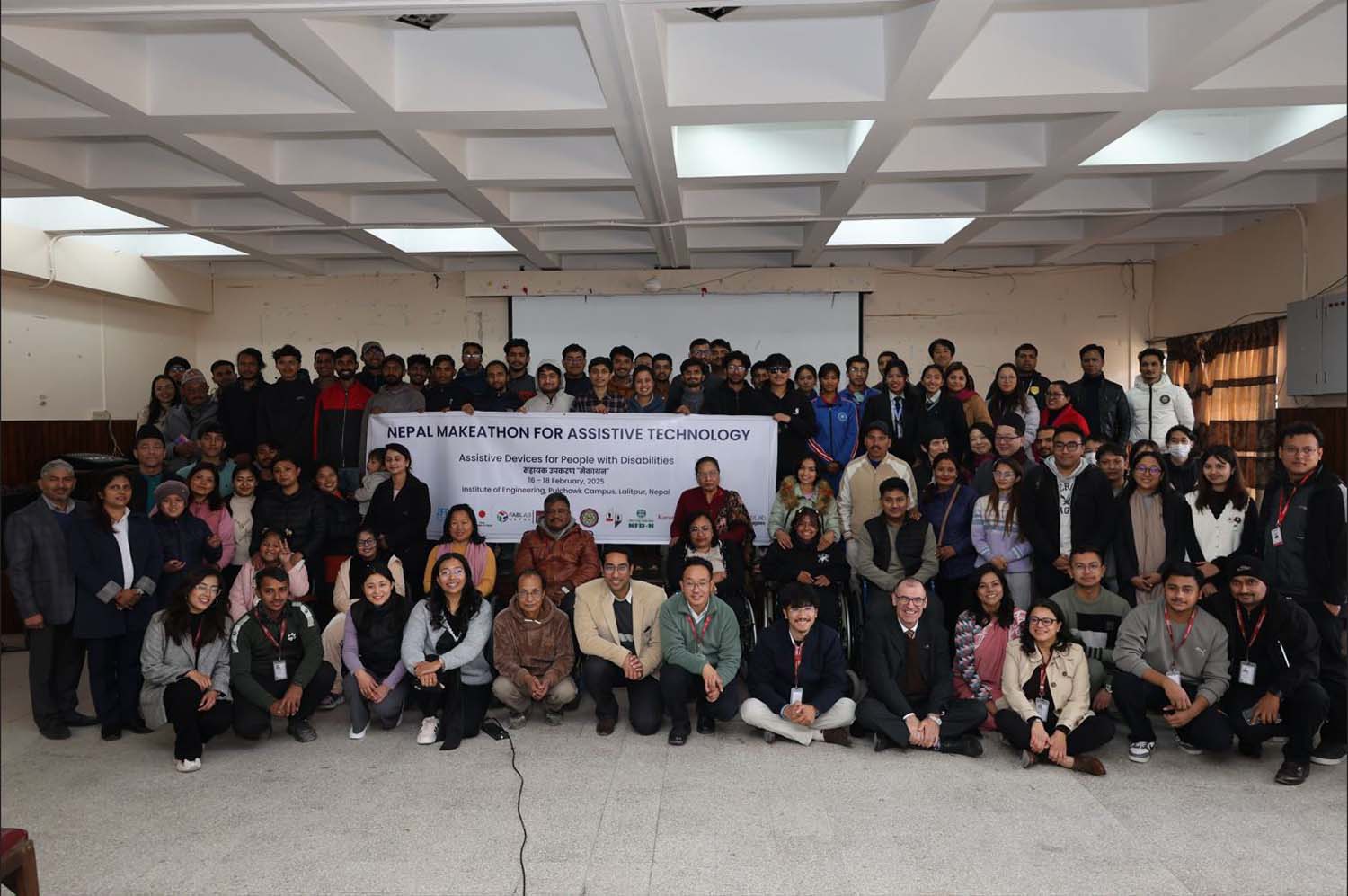
In February 2025, the Asian Development Bank (ADB) and the Japan Fund for Prosperous and Resilient Asia and the Pacific (JFPR) convened a South Asia Regional Makeathon at Thimphu's Royal Textile Academy. Around 100 participants -- including disabled 'need knowers', special-education teachers, fabricators and international advisors -- worked in nine teams to design assistive devices tailored to individual disabled students.
The top three prototypes were selected for refinement, led by SEAT (Sensory Engagement and Attention Tooling), a multi-functional desk/chair for students with ADHD. ADB documented a case in which a 12-year-old girl with mobility issues received finger-grip and pencil-holder aids at the first Makeathon and, a year later, an improved version built directly from her feedback at a second iteration.
This remains an early-stage, event-based programme: ADB itself notes that building a system to distribute these solutions beyond the Makeathon to special-education-needs schools nationally is still under discussion, and no country-wide rollout or independent evaluation has yet been published.
Do you run this practice? Claim it — verified implementers get a public contact pathway and can propose corrections.
Where this practice's information was retrieved from, and when.
Serbia
UNICEF, two national Deaf associations and IT firm Vega IT co-created "SZJ za decu i početnike", Serbia's first mobile app …
Iran
In February 2025 UNICEF procured a Braillo 600 SR2 embosser for Iran's Ministry of Education and SEO, replacing two 35-year-old …
Uruguay
Plan Ceibal's CeRTI center distributes 'Valijas Viajeras' — portable assistive hardware/software kits ('digital ramps') — to Uruguayan schools for students …
Nigeria
Nigerian edtech Vinsighte built "Visis", an AI-OCR device-and-app that scans text and reads it aloud in local accents/languages for visually …
Open full copilot Grounded in cited practices — always check the sources.