Kalimani — AI-Powered Tanzanian Sign Language Learning App for Deaf Pupils
Tanzania
Jenga Hub's Kalimani app uses AI to turn text and speech into Tanzanian Sign Language for deaf pupils, reaching 5,600+ …
Indonesia · Jakarta · See the Indonesia profile · See the Jakarta profile
Evidence: Descriptive / self-reported Top 24% 60/100 · Ask Evidence Copilot about this practice
Bookbot is an offline AI reading app giving Indonesian children real-time pronunciation feedback on-device; built with UNICEF Venture Fund support and recognised as a UN Digital Public Good, it targets 2.5 million primary pupils with dyslexia and other learning difficulties.
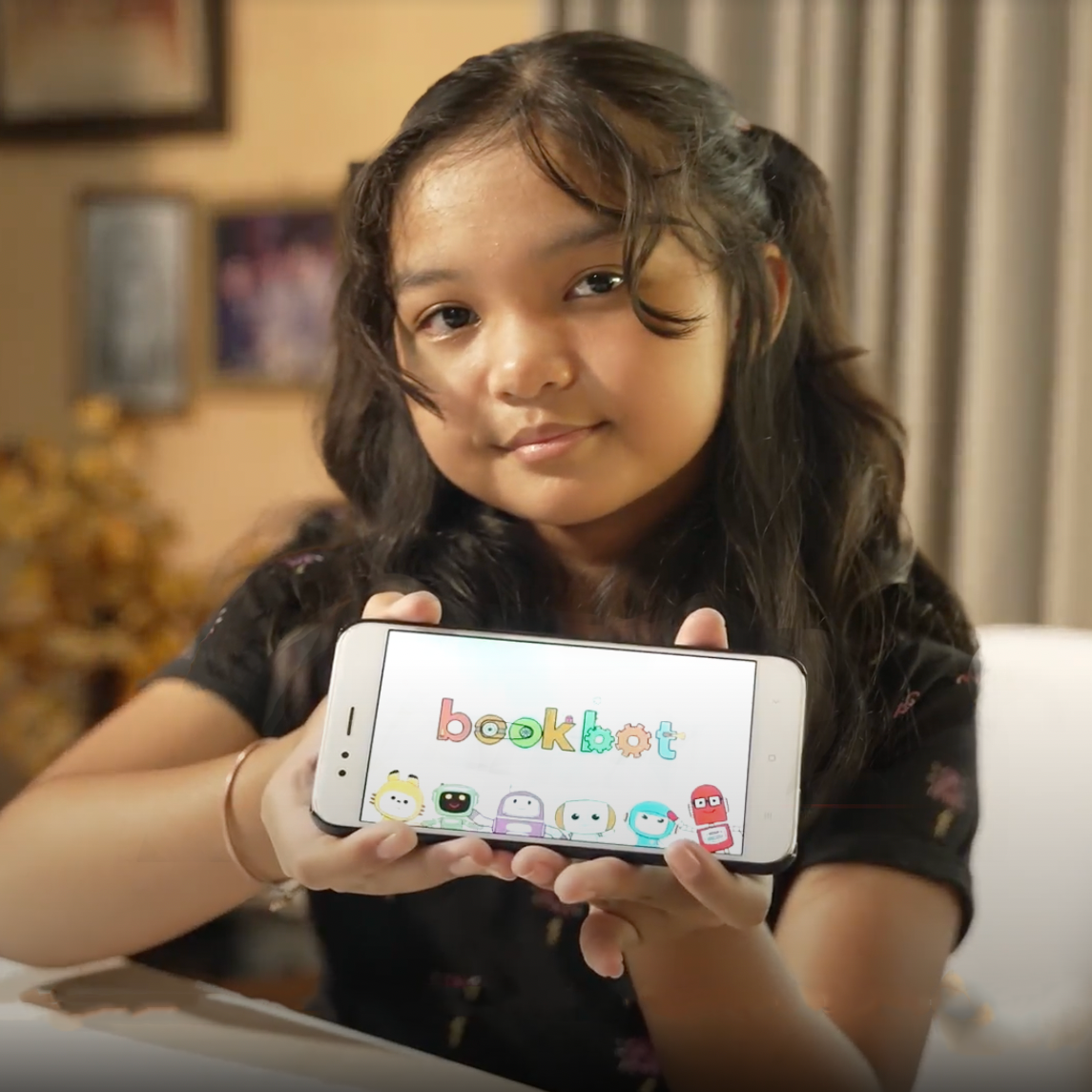
Indonesia has 29.4 million primary-school children, including an estimated 2.5 million with learning difficulties such as dyslexia and visual impairment, and many rural schools have low or no internet connectivity.
Give children real-time pronunciation feedback while reading aloud, in a form that works without an internet connection.
Bookbot is an offline, on-device AI reading-companion app that listens to children read aloud, analyses pronunciation in real time, and gives instant feedback. Developed with support from the UNICEF Venture Fund and Australia's INOVASI programme, Bookbot built a dedicated Indonesian Phoneme Recognizer for Bahasa Indonesia, recognised as a UN Digital Public Good, and formalised localisation through a 2021 government-linked contract.
UNICEF and MIT Solve profiles describe children with dyslexia and visual impairments progressing through the app's book-levelling system, and teachers in rural Sumenep schools reporting engagement gains.
No independently verified, peer-reviewed impact study was found; a percentage improvement figure circulated in the funder's own communications could not be independently corroborated and is therefore not cited here.
Philanthropic / foundation funding
Indicative funding routes for practices of this type — always check each programme's current calls and eligibility rules.
Do you run this practice? Claim it — verified implementers get a public contact pathway and can propose corrections.
Where this practice's information was retrieved from, and when.
Tanzania
Jenga Hub's Kalimani app uses AI to turn text and speech into Tanzanian Sign Language for deaf pupils, reaching 5,600+ …
Latvia
Latvian language-tech firm Tilde and Microsoft piloted a cordless wearable microphone with real-time speech-to-text captioning for deaf and hard-of-hearing pupils …
Sudan
A solar-powered tablet game teaches literacy and numeracy to out-of-school children in conflict-affected Sudan. A 2020 peer-reviewed study found significantly …
Taiwan
Chang Gung University ran Taiwan's first feasibility and efficacy studies of eye-gaze assistive technology for children with severe motor and …
Open full copilot Grounded in cited practices — always check the sources.