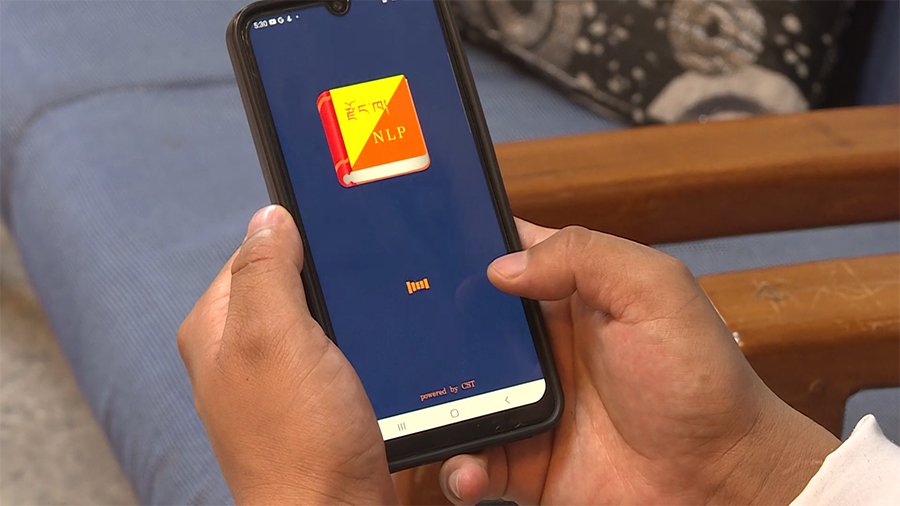
Bhutan's GovTech Agency and a Royal University college built Dzongkha NLP — machine translation, speech recognition and text-to-speech for the national language — but officials openly report accuracy of only 30–50% given limited training data.
21 Nu million (~USD250,000)
Project budget
30-50%
Reported translation accuracy
~50
Volunteer engineers in prototype challenge (Aug-Oct 2022)
Details
Maturity
Pilot
Promoter
College of Science and Technology (Royal University of Bhutan), GovTech Agency, Department of Culture and Dzongkha Development, Druk Holding & Investments, Thimphu TechPark, Omdena
Period
2019–2023 (Digital Drukyul Flagship Programme)
Keywords
language technology, digital government, cultural preservation, citizen services
Context
Dzongkha, Bhutan's official language, is unsupported by major commercial translation engines. Under the Digital Drukyul Flagship Programme, a 2022 Omdena AI Innovation Challenge (~50 volunteer engineers) built the first Dzongkha-to-English machine translator prototype.
Activities
The prototype fed into Dzongkha NLP, an Android app launched 9 August 2023 by the College of Science and Technology and the Department of Culture and Dzongkha Development, combining neural machine translation, speech recognition and text-to-speech, on a Nu 21 million (~USD250,000) budget.
Results
Officials reported translation accuracy of only 30-50%, attributed to the small training dataset, with dataset expansion, grammar/spell-checkers and OCR planned; no iOS version had shipped at launch.
Implementation
Indicative cost
Medium (€50k–€500k) — Nu 21 million (~USD250,000) stated project budget
Time to results
Medium (1–3 years)
Staffing & skills
College of Science and Technology (Royal University of Bhutan), GovTech Agency, Department of Culture and Dzongkha Development, Omdena volunteer engineers
Conditions for success
expanding the training dataset to raise translation accuracy
adding grammar/spell-checker and OCR features
Common failure modes
small training dataset limiting accuracy to 30-50%
Commonly funded by
National / regional programmes
Indicative funding routes for practices of this type — always check each programme's current calls and eligibility rules.
Do you run this practice?
Claim it —
verified implementers get a public contact pathway and can propose corrections.
Data sources
Where this practice's information was retrieved from, and when.
Rwanda's RISA-run IremboGov platform, now covering 223 government services, added a Kinyarwanda/English/French AI chatbot for citizen support; independent analysis found …