Round Island Ecosystem Restoration — Invasive Mammal Eradication (Mauritius)
Mauritius
From 1976, Durrell, Mauritius's National Parks Service and the Mauritian Wildlife Foundation eradicated invasive goats (1979) and rabbits (1986) from …
Ecuador · Puerto Velasco Ibarra · See the Ecuador profile
Evidence: Observational / pre–post Top 89% 27/100 · Ask Evidence Copilot about this practice
Ecuador's Galápagos authorities and NGO partners aerially and manually baited the entire 17,250 ha Floreana Island against invasive rats, mice and feral cats in 2023; land snail counts rose from 61 to 883 by 2024 as reintroduction of 12 extinct native species began.
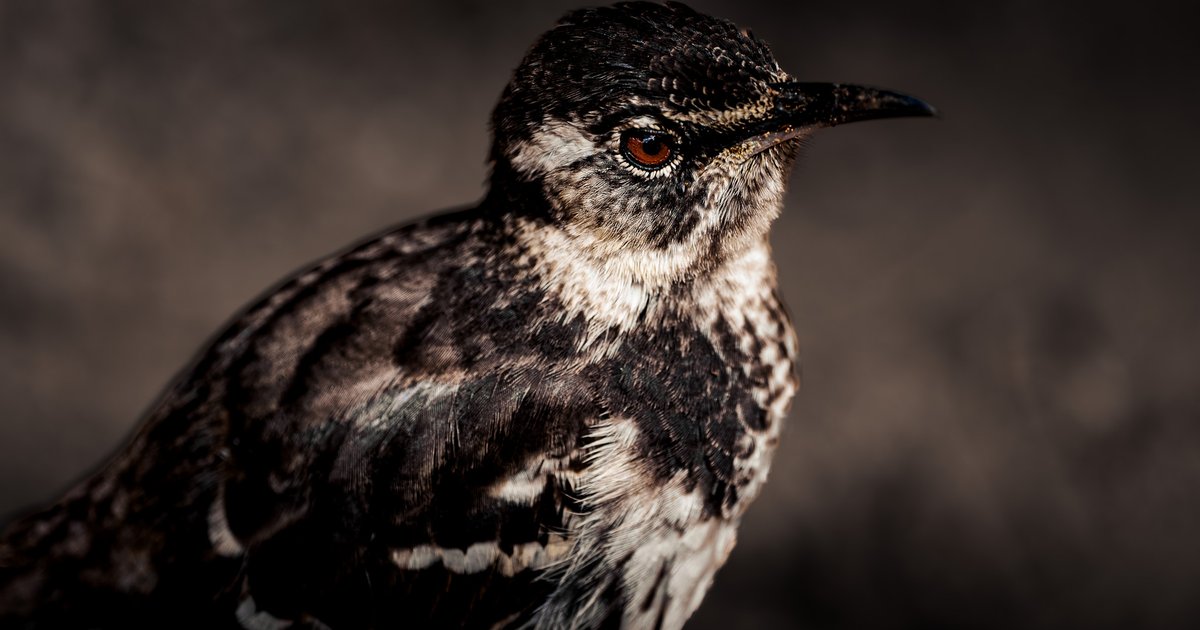
Since 2012, the Galápagos National Park Directorate has worked with Island Conservation, the Charles Darwin Foundation, Jocotoco Foundation and Durrell Wildlife Conservation Trust to remove invasive rats, mice and feral cats from Floreana Island, which supports over 60% of the world's Critically Endangered Galápagos Petrel population; before the intervention, cats and rats caused close to 50% predation of petrel nests.
The eradication phase treated the entire 17,250-hectare island using aerial- and ground-dispersed toxic baits, trapping and hunting, with initial bait application beginning 3 October 2023 and continuing through mid-December 2023. Separate restoration work targets around 1,170 hectares of humid-zone habitat and 54 hectares of dry forest, including a 2.5-hectare ecological corridor planted with 577 seedlings from eight native species.
Land snail populations across eight study sites rose from 61 individuals in 2022 to 883 in 2024, alongside reported rebounds in native birds, lizards and geckos. Reintroduction of 12 locally extinct species, including hybrid Floreana Giant Tortoises and the Floreana Mockingbird, began in early 2024 and is planned to run over at least seven years.
The toxic-bait method causes primary and secondary poisoning of target and some non-target animals, and the headline recovery figures come roughly two years after eradication, from monitoring led by the same institutions executing the project, with the multi-year reintroduction and long-term reinvasion-prevention record still to be proven.
National / regional programmes Philanthropic / foundation funding
Indicative funding routes for practices of this type — always check each programme's current calls and eligibility rules.
Do you run this practice? Claim it — verified implementers get a public contact pathway and can propose corrections.
Where this practice's information was retrieved from, and when.
Mauritius
From 1976, Durrell, Mauritius's National Parks Service and the Mauritian Wildlife Foundation eradicated invasive goats (1979) and rabbits (1986) from …
Mexico
Since the late 1990s, Mexican NGO GECI has removed 60 populations of 13 invasive mammal species from 39 Pacific islands, …
New Zealand
A Wellington City Council-backed programme eliminated ship rats, Norway rats, stoats and weasels from the 1,086 ha Miramar Peninsula by …
Malta
BirdLife Malta's EUR 1.26M EU LIFE project (2015-2020) ran rat control at 8 sites, 5 within Natura 2000, keeping Filfla …
Open full copilot Grounded in cited practices — always check the sources.