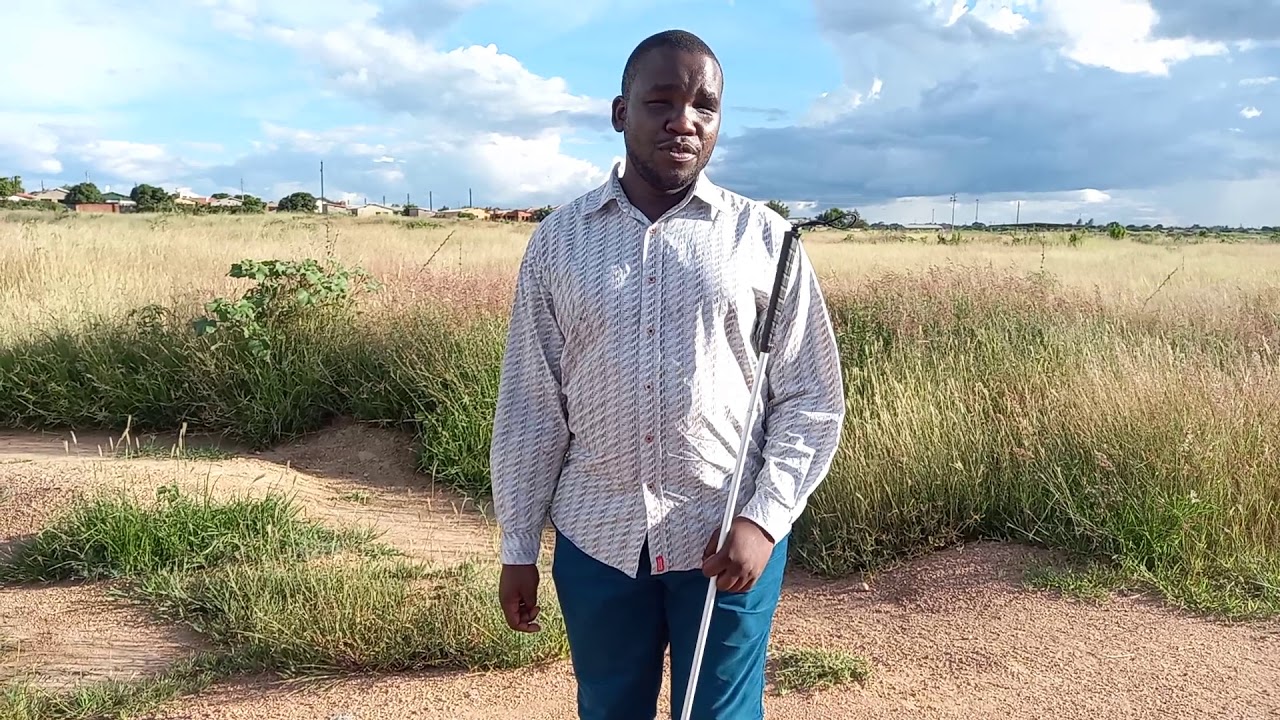
Marking ten years of work for blind Zimbabweans, disability-led NGO Gateway to Elation launched an Accessible Digital Civic Participation project in Bulawayo in September 2026 to make government information and everyday platforms usable with screen readers.
10 years (2016-2026)
Years Gateway to Elation has operated
25000 USD
Holman Prize award (2021) (2021)
Details
Maturity
Pilot
Promoter
Gateway to Elation
Period
2016–ongoing (project launched September 2026)
Keywords
disability rights, digital accessibility, civic participation, assistive technology
Context
On 2 September 2026, marking its tenth anniversary in Bulawayo, disability-led Zimbabwean NGO Gateway to Elation launched the Accessible Digital Civic Participation for Blind Communities project, targeting government and civic websites and platforms not built to work with screen readers.
Objectives
Founder Robert Malunda framed the goal as moving blind Zimbabweans from mere access to technology toward active participation in civic life, with technology 'designed from the beginning with different users in mind' rather than retrofitted afterward.
Activities
Gateway to Elation, founded in 2016, previously won the US$25,000 Holman Prize from LightHouse for the Blind and Visually Impaired in 2021, using the funds to deliver computer, orientation-and-mobility and social-skills training to blind Zimbabweans in rural areas.
Results
As a project launched in September 2026, the Accessible Digital Civic Participation initiative itself has no published outcome data yet — no participant counts, platform-compatibility audits or evaluation exist so far.
Conclusions
The project is run by an organisation with a decade of continuous operation and an internationally vetted prior grant, rather than being a first-time or one-off effort, which is a meaningful institutional-continuity signal even though the new project itself is unevaluated.
Implementation
Indicative cost
Low (< €50k)
Time to results
Short (< 1 year)
Staffing & skills
Gateway to Elation, a disability-led Zimbabwean NGO founded and directed by Robert Malunda
Conditions for success
Led by a disability-run organisation rather than an outside vendor
Explicit 'design from the beginning' principle rather than retrofitting accessibility after launch
Backed by a decade of continuous prior operation and a previously delivered, internationally vetted grant (2021 Holman Prize, US$25,000) rather than being a first-time effort
Commonly funded by
Philanthropic / foundation funding
Indicative funding routes for practices of this type — always check each programme's current calls and eligibility rules.
Do you run this practice?
Claim it —
verified implementers get a public contact pathway and can propose corrections.
Data sources
Where this practice's information was retrieved from, and when.
UNICEF, Paraguay's Ministry of Education and Paraguay Educa adapted school textbooks into accessible digital formats — audio narration, sign-language video, …