Rio Chiveve Park — Nature-Based Flood Protection for Beira's Inner City
Mozambique
A €51M rehabilitation of Beira's silted Chiveve River created a 47-hectare mangrove-lined park with a tidal flood-control outlet, giving over …
Poland · Gdańsk · See the Poland profile · See the Gdańsk profile
Top 76% 33/100 · Ask Evidence Copilot about this practice
Gdańsk raised stormwater retention from 200,000 m³ (2001) to 760,000 m³ (2024) via reservoirs plus 200+ rain gardens and green depressions; no widespread flooding in the July 2025 cloudburst. Impact is reported by the operator, not independently evaluated.
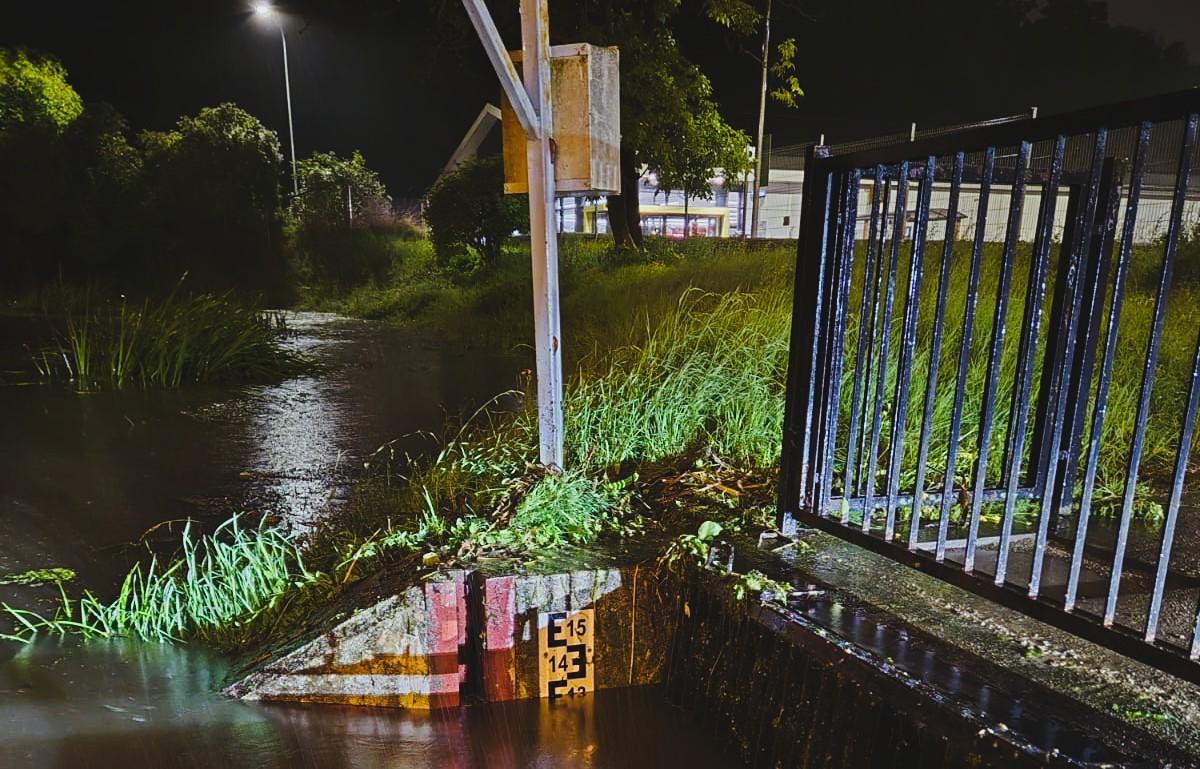
Gdańskie Wody, the city's water utility, has replaced fast drainage with 'multi-level retention' since the 2001 flood: holding rain at plot, street, district and stream scale instead of piping it away. The approach combines built retention reservoirs with nature-based elements — rain gardens, green depressions, permeable surfaces and urban rainwater parks — and the city's technical university promotes the multi-level concept (30 mm and 60 mm design tiers) and wet/semi-wet stream reservoirs as multi-service infrastructure.
Reported figures (Daily Mare, July 2025, quoting the utility): retention capacity grew from 200,000 m³ in 2001 to 760,000 m³ in 2024, with a 1 million m³ target for 2030; 30 new reservoirs since 2001 give 56 active facilities, plus more than 200 rain gardens, green depressions, permeable surfaces and rainwater parks. Total stormwater investment is about PLN 600 million, nearly PLN 260 million from EU funds. Examples: Osowa II (15,000 m³, PLN 25M, 2019), Strzelniczka II (46,620 m³, PLN 18M, 2020).
Outcome: during the 28–29 July 2025 cloudburst (city average over 80 mm, peak 134 mm at Przegalina, roughly double the typical July total) there was temporary pooling but no widespread flooding or major infrastructure failure, in the utility president's words 'our systems held'.
Caveats: results come from the operator and local press; no independent before/after hydrological evaluation was found. Most capacity is engineered reservoirs rather than green infrastructure, and the university presentation itself flags street and road design as still problematic. Carbon, biodiversity and fire-resilience benefits are not quantified. The next programme phase (2025–2029) adds reservoirs, pumping stations and canals co-financed by the national environment fund.
Read the full analysis: https://dailymare.com/news/gdansk-withstands-record-rainfall-thanks-to-long-term-water-infrastructure-investments,1628
Implementation detail (cost, timeline, staffing, conditions for success) is not yet available for this practice.
Do you run this practice? Claim it — verified implementers get a public contact pathway and can propose corrections.
Where this practice's information was retrieved from, and when.
Mozambique
A €51M rehabilitation of Beira's silted Chiveve River created a 47-hectare mangrove-lined park with a tidal flood-control outlet, giving over …
Rwanda
Kigali is rehabilitating five degraded urban wetlands (491 ha: Gikondo, Rwampara, Nyabugogo Lower, Kibumba, Rugenge-Rwintare) into flood-control eco-parks under a …
China
China's central government allocated CNY 20.7 billion (about US$3bn) to 16 pilot 'sponge cities' from 2015-2017; Wuhan alone built 389 …
Moldova
Chisinau is reprofiling 7.6 km of the River Bic and installing ~90 rain gardens and 85 tree pits to cut …
Open full copilot Grounded in cited practices — always check the sources.