MentorIA Perú — NGO-Led AI Teacher Capacity-Building with Measured Knowledge Gains
Peru
MentorIA Perú, run by Empresarios por la Educación and Fundación Kodea with Google.org funding and MINEDU support, trained 1,300+ teachers …
United Arab Emirates · Dubai · See the United Arab Emirates profile · See the Dubai profile
Evidence: Descriptive / self-reported Top 56% 47/100 · Ask Evidence Copilot about this practice
KHDA, DP World Foundation and MIT RAISE launched a multi-year programme (Feb 2026-2030) embedding AI literacy modules into six subjects for Grades 6-8 across Dubai's private schools, targeting 80,500 students and 3,600 teachers; no learning-outcome results have been published yet
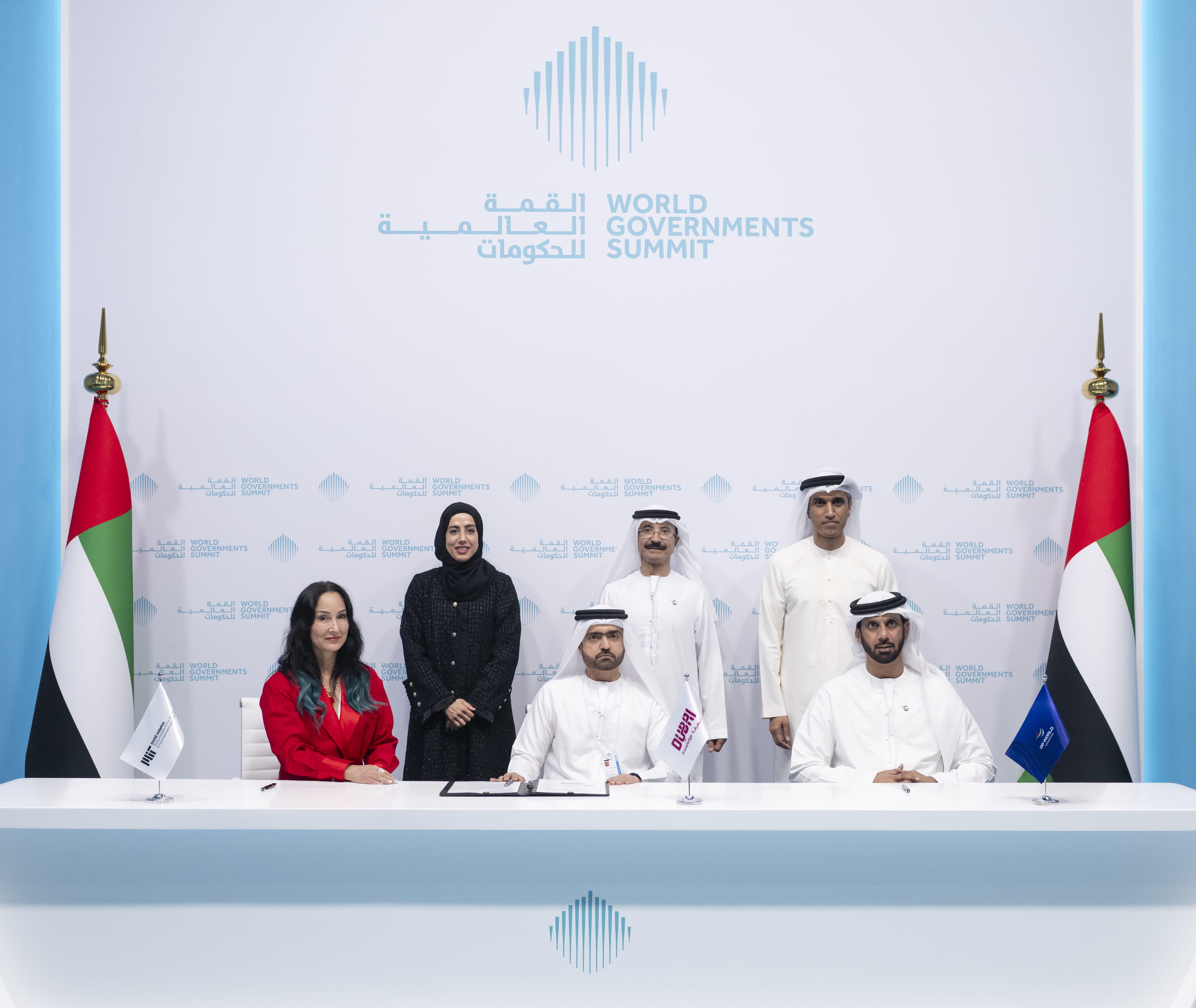
In February 2026, at the World Governments Summit, Dubai's Knowledge and Human Development Authority (KHDA) launched a multi-year AI literacy programme in partnership with the DP World Foundation and MIT's Responsible AI for Social Empowerment and Education (RAISE) initiative, designed to run until February 2030.
The core programme targets Grades 6-8 students, integrating short, practical AI modules into six subjects (Maths, Science, Computing, Art, English and Arabic) so students learn how AI systems function, how to critically evaluate AI-generated outputs, and how to use AI tools responsibly. A separate high-school enrichment strand runs a four-week online plus one-week in-person format for cohorts of 40-100 students per session.
Rollout is phased: curriculum co-design with educators at selected schools, followed by classroom pilots and teacher training, ahead of a broader rollout across Dubai's private schools. Teachers receive classroom-ready resources, professional development, and access to a KHDA-supervised portal of age-appropriate AI tools.
The programme is projected to reach approximately 80,500 students and 3,600 teachers, but as of its February 2026 launch no learning-outcome results have been published; the announcement references only a planned 'formative evaluation of student learning and programme quality' for the enrichment strand.
The programme has institutional backing and a defined multi-year roadmap and phased design, but measured impact on student learning remains to be demonstrated.
National / regional programmes Philanthropic / foundation funding
Indicative funding routes for practices of this type — always check each programme's current calls and eligibility rules.
Do you run this practice? Claim it — verified implementers get a public contact pathway and can propose corrections.
Where this practice's information was retrieved from, and when.
Peru
MentorIA Perú, run by Empresarios por la Educación and Fundación Kodea with Google.org funding and MINEDU support, trained 1,300+ teachers …
Vietnam
Vietnam's Ministry of Education and Training and RMIT University Vietnam ran a free national online AI-training series in 2025 that …
Australia
AWS and the non-profit Code for Schools are rolling out Australia's first locally developed, curriculum-aligned AI literacy programme to public, …
United States of America
CMU's AI4MiddleSchools nine-week AI elective, piloted in Georgia in 2021, expanded in September 2026 from three to seven US states, …
Open full copilot Grounded in cited practices — always check the sources.