Ley N.º 18.561 — Uruguay's Pioneering Workplace Sexual Harassment Law
Uruguay
Uruguay's 2009 sexual-harassment law gives workers in public and private employment the right to file complaints with the national Labour …
Chile · Santiago · See the Chile profile · See the Santiago profile
Evidence: Observational / pre–post Top 42% 74/100 · Ask Evidence Copilot about this practice
Chile's Ley Karin (2024) obliges every employer to run a harassment/sexual-harassment complaint channel; 44,212 complaints were filed in its first 11 months, but independent reviews found only 16.6% of cumulative cases confirmed as violations, with heavy delays.
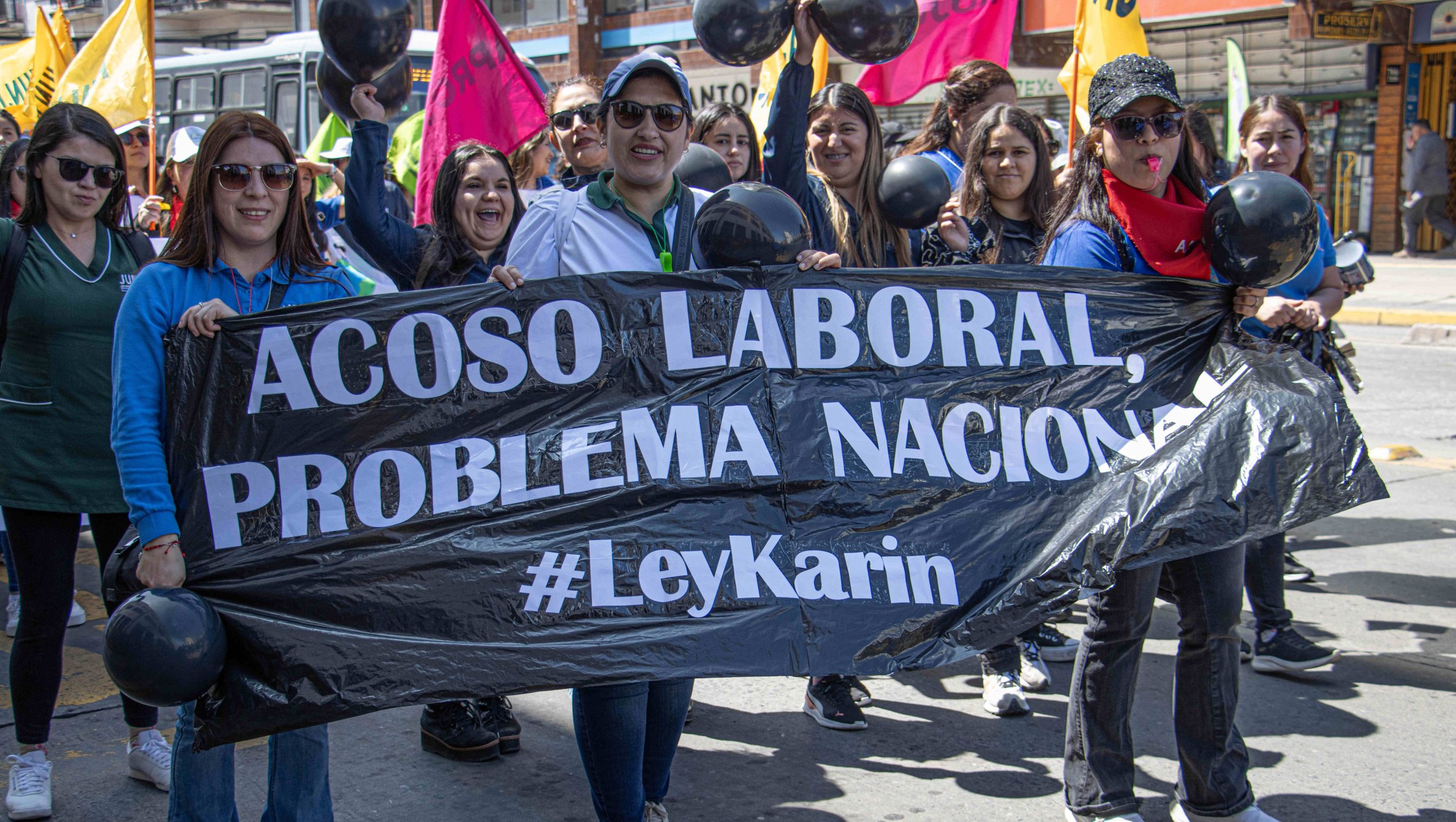
Ley Karin (Law No. 21.643), in effect since 1 August 2024, requires every Chilean employer to maintain a written harassment-prevention protocol and internal complaints channel, with the Labour Directorate able to investigate directly and apply protective measures such as paid leave or physical separation.
In its first eleven months, SUSESO recorded 44,212 complaints, 66.4% filed by women, with protective measures applied in most cases; by the two-year mark only 16.6% of roughly 68,000 cumulative complaints had been confirmed as actual violations, and 87.8% of completed investigations exceeded the 30-business-day legal limit.
National / regional programmes
Indicative funding routes for practices of this type — always check each programme's current calls and eligibility rules.
Do you run this practice? Claim it — verified implementers get a public contact pathway and can propose corrections.
Where this practice's information was retrieved from, and when.
Uruguay
Uruguay's 2009 sexual-harassment law gives workers in public and private employment the right to file complaints with the national Labour …
Japan
Japan's 2020/2022 law forces every employer to define, prevent and respond to 'power harassment' — but it carries no fines …
South Korea
South Korea has required annual workplace harassment training since 1999. A 2024 survey (n=19,023) found harassment fell from 8.1% to …
Chile
Chile's Ley Karin (Law 21.643), in force since 1 August 2024, mandates employer protocols and fast-track investigations for workplace harassment …
Open full copilot Grounded in cited practices — always check the sources.