Redonda Ecosystem Reserve — Rat and Goat Eradication (Antigua and Barbuda)
Antigua and Barbuda
Goat and rat eradication (2016–2018) on the barren islet of Redonda triggered a peer-reviewed sixfold+ rebound in an endemic ground …
Australia · Macquarie Island · See the Australia profile
Evidence: Observational / pre–post Top 27% 53/100 · Ask Evidence Copilot about this practice
A seven-year, ~AUD 24-24.6M Australian/Tasmanian government programme eradicated rabbits, rats and mice from the 12,785 ha Macquarie Island by 2014; vegetation biomass grew 5-10x within two years, though aerial baiting killed an estimated ~2,400 native birds.
The Macquarie Island Pest Eradication Project (MIPEP) was a 2007-2014 programme led by Tasmania Parks and Wildlife Service with the Australian Antarctic Division, funded by Australian and Tasmanian governments (reported AUD 24-24.6 million, including a AUD 100,000 donation from WWF and Peregrine Adventures), to eradicate rabbits, rats and mice from the 12,785-hectare sub-Antarctic Macquarie Island. It followed a poorly sequenced 1995-2000 feral cat eradication that let rabbit numbers explode, causing vegetation loss, slope erosion and landslides that killed hundreds of king penguins.
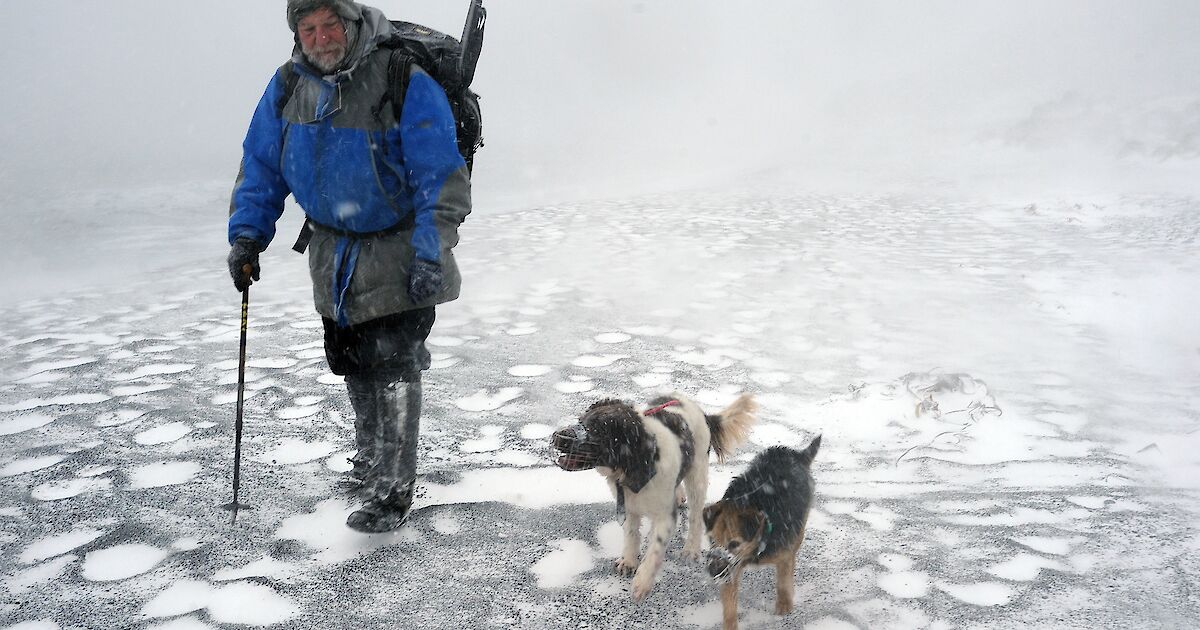
The project released RHDV calicivirus in February 2011, then conducted two aerial baiting rounds (250 tonnes of 0.002% brodifacoum cereal bait) completed by June 2011, followed by a 13-month ground-hunting phase using 12 handlers and 11 dogs. Eradication was declared successful in April 2014 after 2.5 years with no pest detections.
Vegetation biomass increased 5-10x by 2013 compared with 2011 levels. A 2024 government follow-up survey found dense tussock and megaherb regrowth on previously denuded slopes, reduced erosion, and albatrosses nesting on newly stabilised ground, with positive trends in grey and blue petrel numbers. However, aerial baiting killed an estimated 2,400-2,500 native birds (roughly 950-990 kelp gulls and 760 giant petrels), causing a documented 25-30% fall in giant petrel breeding numbers and around 50% at some monitored skua sites, with limited recovery signal in a mid-2010s follow-up study.
National / regional programmes
Indicative funding routes for practices of this type — always check each programme's current calls and eligibility rules.
Do you run this practice? Claim it — verified implementers get a public contact pathway and can propose corrections.
Where this practice's information was retrieved from, and when.
Antigua and Barbuda
Goat and rat eradication (2016–2018) on the barren islet of Redonda triggered a peer-reviewed sixfold+ rebound in an endemic ground …
Mexico
Since the late 1990s, Mexican NGO GECI has removed 60 populations of 13 invasive mammal species from 39 Pacific islands, …
Ecuador
GEF-funded campaign by Galápagos National Park and the Charles Darwin Foundation removed 140,000+ feral goats from 500,000+ ha across Pinta, …
Mauritius
From 1976, Durrell, Mauritius's National Parks Service and the Mauritian Wildlife Foundation eradicated invasive goats (1979) and rabbits (1986) from …
Open full copilot Grounded in cited practices — always check the sources.