Malawi's Ministry of Education, Science and Technology worked with UNESCO from May 2025 to assess national AI readiness across policy, infrastructure, institutional-capacity and educational dimensions, validating findings in Lilongwe in July 2026 to guide a forthcoming national A
27.7 %
Population with internet access
4.2 %
Households owning a computer
5 dimensions
Readiness dimensions assessed
Details
Maturity
Pilot
Promoter
Ministry of Education, Science and Technology of Malawi; UNESCO Regional Office for Southern Africa
Period
May 2025 – July 2026
Keywords
AI governance, education policy, ethics, data protection
Context
From May 2025, Malawi's Ministry of Education, Science and Technology partnered with UNESCO to pilot the Readiness Assessment Methodology (RAM), a diagnostic tool grounded in UNESCO's Recommendation on the Ethics of Artificial Intelligence, examining legal/policy, social/cultural, scientific/educational, economic, and technical/infrastructure dimensions to map Malawi's strengths and gaps before major AI investment decisions.
Objectives
The stated purpose is to steer resource allocation toward priority gaps as Malawi drafts a forthcoming national AI strategy; UNESCO positions the completed report as a 'national roadmap' and a replicable model for other countries in the region.
Activities
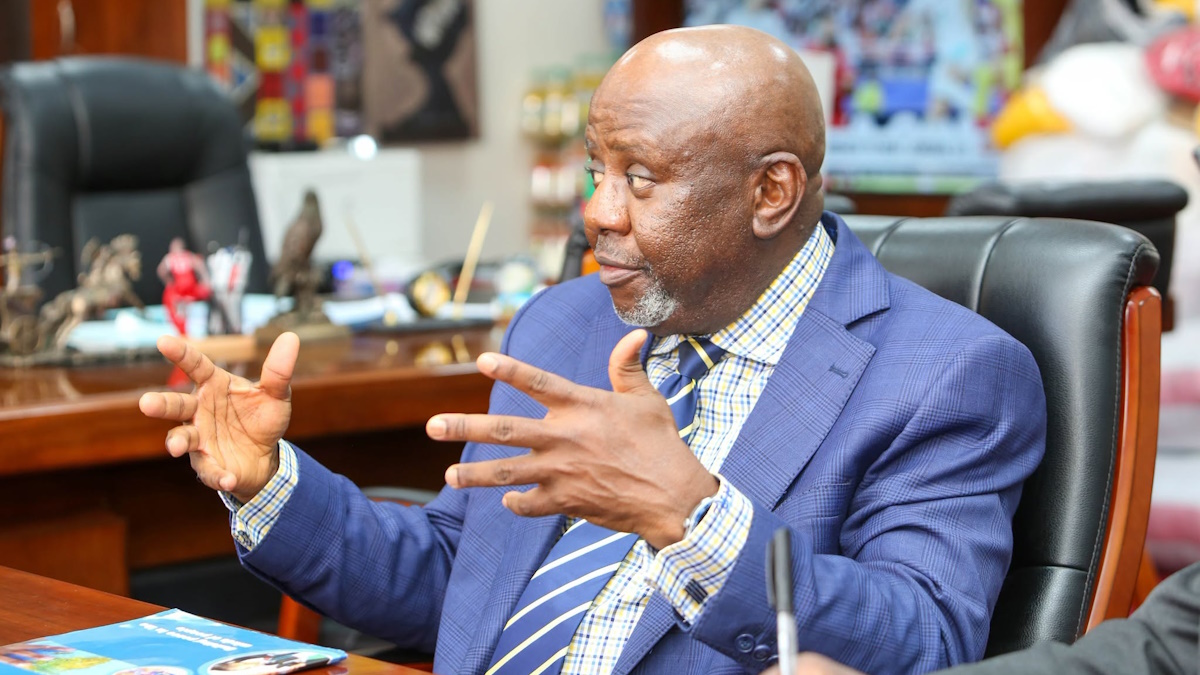
On 24 July 2026, the Ministry of Education organised a validation workshop in Lilongwe, supported by UNESCO's Regional Office for Southern Africa, bringing together government officials, development partners and academia to review the completed AI Readiness Assessment Report.
Results
The report quantified stark infrastructure gaps — only 27.7% of the population has internet access and just 4.2% of households own a computer — and found the national education system unprepared for automated learning environments, requiring significant curriculum updates to build digital literacy without undermining learners' critical thinking.
Conclusions
The RAM process itself does not teach or evaluate students — it is a governance and planning exercise — so it carries no classroom learning-impact evidence; its value lies in providing a quantified baseline ahead of policy and investment decisions still to come.
Implementation
Indicative cost
Low (< €50k)
Time to results
Short (< 1 year)
Staffing & skills
Ministry of Education, Science and Technology of Malawi, UNESCO Regional Office for Southern Africa, Government officials, development partners and academia participating in the validation workshop
Conditions for success
UNESCO's Readiness Assessment Methodology (RAM), grounded in the Recommendation on the Ethics of AI
A multi-stakeholder validation workshop bringing together government, development partners and academia
Baseline infrastructure data collected before major AI investment decisions
Common failure modes
Only 27.7% of the population has internet access and 4.2% of households own a computer, per the report's own findings
Malawi's national AI strategy — the actual implementation vehicle — had not yet been published as of the source date
Commonly funded by
National / regional programmesPhilanthropic / foundation funding
Indicative funding routes for practices of this type — always check each programme's current calls and eligibility rules.
Do you run this practice?
Claim it —
verified implementers get a public contact pathway and can propose corrections.
Data sources
Where this practice's information was retrieved from, and when.
Finland's education ministry and Opetushallitus published national AI recommendations (31 March 2025) after consulting 172 organisations and youth 'Digiraati' councils, …
Argentina's national PaideIA programme and a Federal Council-approved AI-in-Education Observatory are rolling out alongside Buenos Aires City's new mandatory K-12 …
Singapore's MOE issued a 2024 AI-in-Education Ethics Framework (Agency, Inclusivity, Fairness, Safety) on IMDA's national AI governance model, enforced by …