Tunisia's Digital Disability-Card Platform — Ministry of Social Affairs Moves Card Issuance Online
Tunisia
Tunisia's Ministry of Social Affairs launched a digital platform in December 2025 letting people with disabilities apply for and renew …
Namibia · Windhoek · See the Namibia profile · See the Windhoek profile
Evidence: Descriptive / self-reported Top 86% 48/100 · Ask Evidence Copilot about this practice
In September 2026, Namibia launched a Digital Programme for Medical Assessment for Persons with Disabilities, replacing paper forms with an online WHODAS 2.0/ICD-11 process meant to cut waiting times and travel, though rural connectivity gaps and weak follow-up services persist.
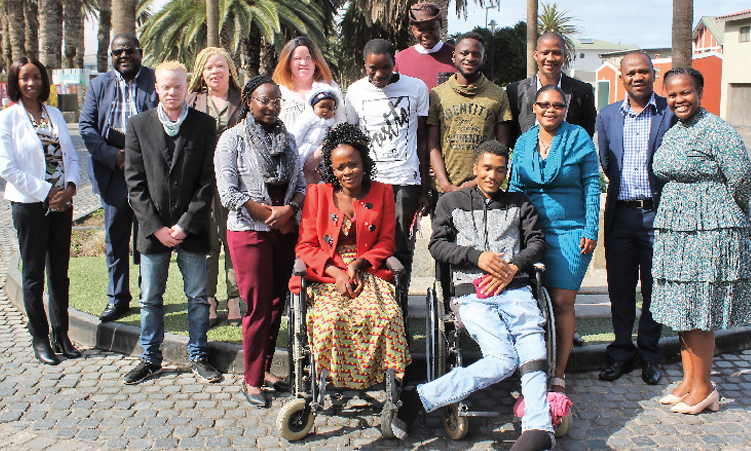
On 11 September 2026, Vice President Lucia Witbooi launched Namibia's Digital Programme for Medical Assessment for Persons with Disabilities alongside a new national Guideline for the Medical Assessment of Functionality and Degree of Disability, replacing a fragmented paper-based system run by the Ministry of Health and Social Services.
The new process adapts the World Health Organization's Disability Assessment Schedule 2.0 (WHODAS 2.0) and the ICD-11 classification to a Namibian context focused on functionality rather than diagnosis alone, aiming to reduce waiting times, enable real-time application tracking, cut administrative backlogs, and ensure more consistent decisions across regions.
Vice President Witbooi cautioned at launch that 'the system... should not be measured by today's launch, but by its implementation thereafter'; reporting soon after found the caution warranted, with poor rural internet connectivity, low smartphone ownership and limited digital literacy in remote areas risking the exclusion of the rural applicants the reform was meant to help.
National / regional programmes
Indicative funding routes for practices of this type — always check each programme's current calls and eligibility rules.
Do you run this practice? Claim it — verified implementers get a public contact pathway and can propose corrections.
Where this practice's information was retrieved from, and when.
Tunisia
Tunisia's Ministry of Social Affairs launched a digital platform in December 2025 letting people with disabilities apply for and renew …
Kazakhstan
Kazakhstan's Ministry of Labor and Social Protection, with UNDP, built a scoring system covering 6M+ families across 120 wellbeing indicators, …
Azerbaijan
Azerbaijan's Disability Subsystem automatically assesses and pays disability benefits with no application needed, using anonymised case review and SMS-delivered e-signed …
Moldova
Moldova's World Bank-backed MGSP digitised 87 public services and built 100+ Unified Service Delivery Centres, lifting vulnerable-population e-service use from …
Open full copilot Grounded in cited practices — always check the sources.