Protecting Country Against Invasive Species — Indigenous Ranger-Led Control (Northern Australia)
Australia
Australia's Indigenous Rangers Program funds 40+ ranger groups across northern Australia to control feral pigs, cats and invasive weeds like …
New Zealand · Wellington · See the New Zealand profile
New Zealand’s NZD 1.185 billion pandemic-recovery conservation programme (2020–2025): 225 DOC-led projects employed 11,000+ workers for invasive species control and habitat restoration. By 2025: 19,000 km² wilding-pine control, 24,000 km² pest-animal control, 9.7M native plants p
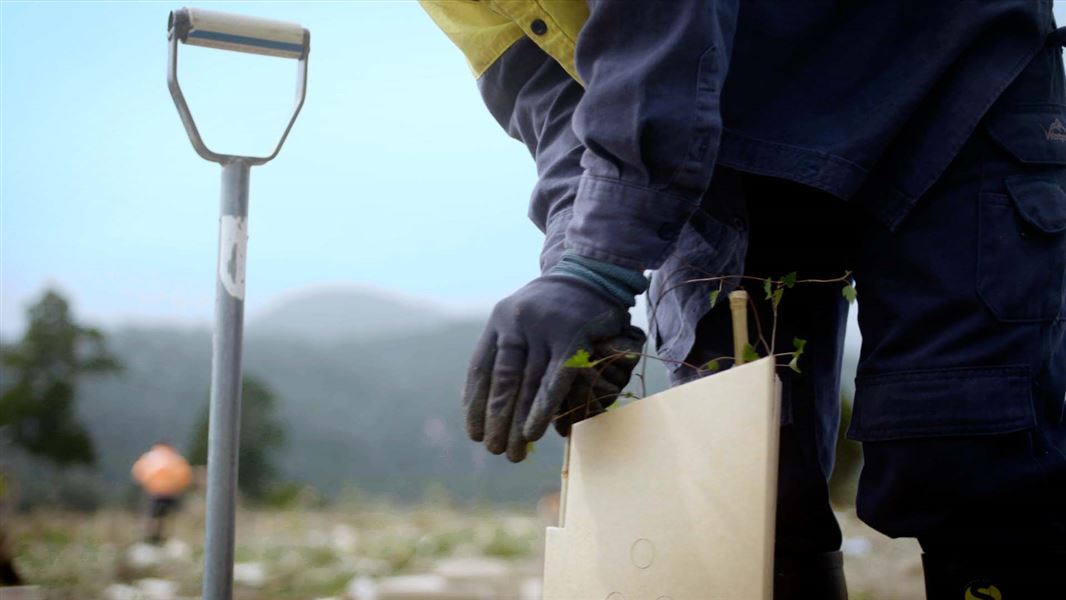
Jobs for Nature (Mahi mō te Taiao) was New Zealand's NZD 1.185 billion pandemic economic-recovery conservation programme, administered from 2020 to 2025 across five government agencies led by the Department of Conservation (DOC), which managed 225 projects nationwide with NZD 485.3 million, partnering with Māori and community organisations.
The programme aimed to create employment in rural and Māori communities hit hardest by COVID-19 economic disruption, while tackling two of New Zealand's most severe ecological threats: wilding conifers (estimated at a NZD 4.6 billion threat to farmland, waterways and native ecosystems) and introduced mammalian predators such as rats, stoats and possums.
Workers were employed in ground-based wilding-pine felling and herbicide treatment, predator trapping, wetland restoration and native planting, with a priority on community and iwi involvement.
By programme completion in 2025, Jobs for Nature had brought 19,000 km² of land under wilding-pine control and 24,000 km² under pest-animal control, planted 9.7 million native plants, and created or sustained approximately 11,000 jobs, many in rural and Māori communities.
The programme ended in 2025 as planned, and DOC published a formal Transition Strategy documenting institutional lessons. Wilding-conifer management now continues under the ongoing National Wilding Conifer Control Programme (NWCCP), administered by MPI, providing continuity beyond the emergency-funding period.
Where this practice's information was retrieved from, and when.
Australia
Australia's Indigenous Rangers Program funds 40+ ranger groups across northern Australia to control feral pigs, cats and invasive weeds like …
Netherlands
Since 1941, Dutch regional water boards have run a nationwide muskrat/coypu control programme to stop dike-burrowing damage; in 2025 they …
Portugal
EU LIFE programme (2019–2025, LIFE18 NAT/PT/000927) removed feral cats and invasive plants from Ria Formosa's barrier islands; Audouin's Gull nests …
South Africa
South Africa's national public works programme paying community workers to rehabilitate degraded wetlands through invasive alien plant removal, bio-engineering and …
Open full copilot Grounded in cited practices — always check the sources.