Danone-AQUA Rejoso Kita Watershed PES (Indonesia)
Indonesia
Corporate PES in East Java where PT Tirta Investama (Danone-AQUA Keboncandi) pays 174 upstream farmers USD 100–215/ha/yr across 106.6 ha …
Panama · Panama City · See the Panama profile · See the Panama City profile
Evidence: Observational / pre–post Top 27% 53/100 · Ask Evidence Copilot about this practice
Panama Canal Authority pays landowners flat annual fees to restore forest in the 342,000-ha Canal watershed: 10,846 ha reforested (3,650 ha agroforestry, 4,776 ha silvopastoral). Secures Canal lock-water and drinking water for 1.3 million people.
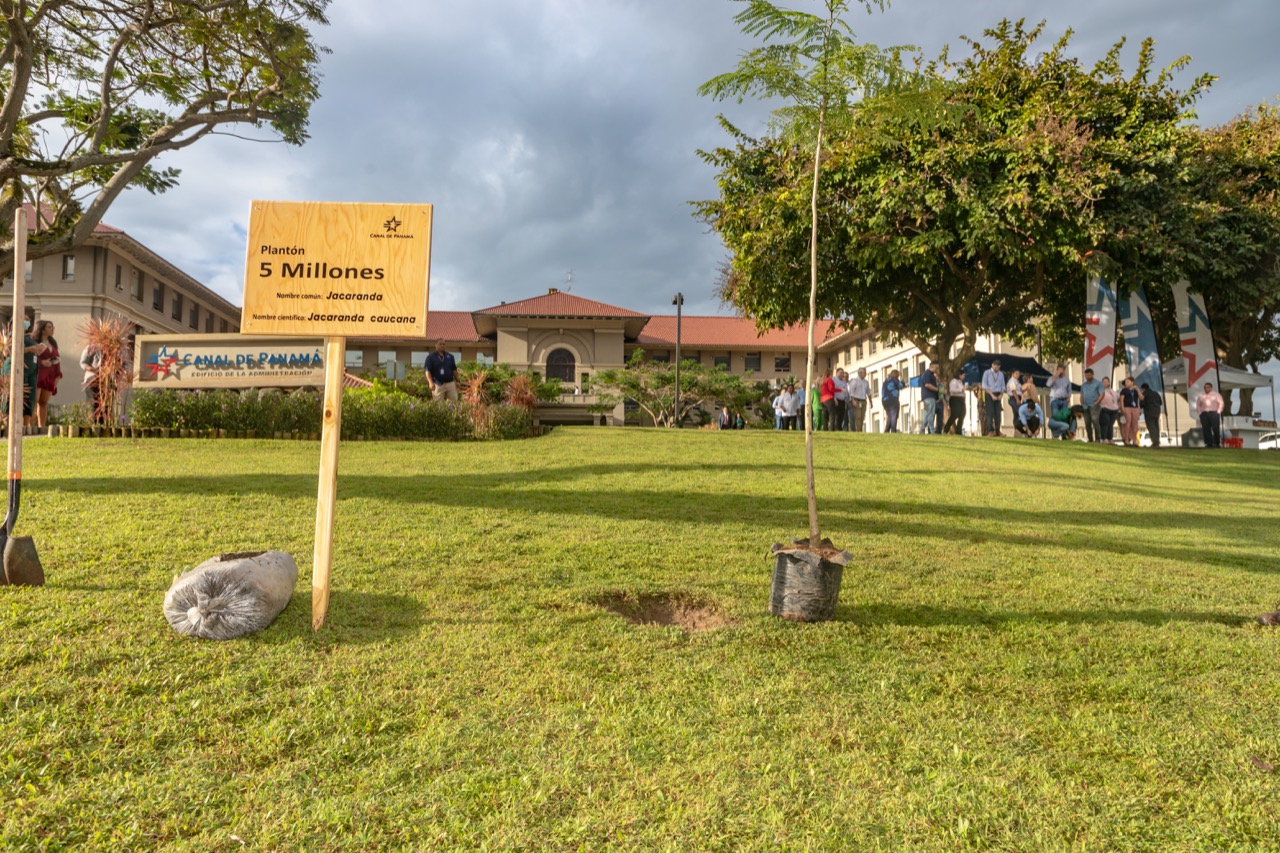
The Panama Canal Authority (ACP) operates a Reforestation Incentive Programme, making direct flat-rate annual payments to private landowners who restore forest cover in the 342,000-hectare Panama Canal watershed. The watershed regulates dry-season water levels in Gatun Lake that power the canal's locks, and supplies drinking water to more than 1.3 million people in Panama City and Colon.
The programme has run for over 21 years, since approximately 2002. Contracted landowners maintain planted areas under ACP-approved management plans covering agroforestry, silvopastoral systems, and conservation/enrichment plantings around national parks, river corridors, and strategic canal zones.
By 2023 the programme had reforested 10,846 hectares, comprising 3,650 hectares of agroforestry, 4,776 hectares of silvopastoral systems, and 2,420 hectares of conservation/enrichment plantings. The Smithsonian Tropical Research Institute (STRI) conducted an independent economic analysis surveying over 700 watershed landowners, confirming that flat-payment PES structures maximise landowner uptake and retention, and a peer-reviewed PNAS study modelled trade-offs between water regulation, carbon sequestration, and timber production across the watershed to inform ACP payment targeting.
The programme is a textbook corporate watershed PES: a statutory infrastructure authority funding upstream forest restoration to protect the services its own operations depend on.
National / regional programmes
Indicative funding routes for practices of this type — always check each programme's current calls and eligibility rules.
Do you run this practice? Claim it — verified implementers get a public contact pathway and can propose corrections.
Where this practice's information was retrieved from, and when.
Indonesia
Corporate PES in East Java where PT Tirta Investama (Danone-AQUA Keboncandi) pays 174 upstream farmers USD 100–215/ha/yr across 106.6 ha …
Guatemala
Guatemala's 28-year statutory forest PES: PINFOR (1996-2016) and PROBOSQUE (2015-present). ~USD 260 M paid, 38,000+ contracts, ~600,000 ha enrolled across …
Vietnam
Asia's first national PFES law (Decree 99/2010) requires hydropower, water-supply and eco-tourism companies to pay into Vietnam's Forest Fund; 355,000 …
Brazil
Since 2008, Rio de Janeiro's Guandu river-basin PES program has paid smallholders USD 6.25-31.25/ha/year to conserve or restore riparian forest; …
Open full copilot Grounded in cited practices — always check the sources.