GRASS — Verified Carbon Revenue Reaches Communal Rangeland Farmers in South Africa
South Africa
TASC and Meat Naturally Africa's GRASS project issued 266,255 Verra VM0042/CCB-certified carbon units for regenerative grazing on 95,000+ ha of …
Israel · Rishon LeZion · See the Israel profile
Evidence: Observational / pre–post Top 58% 40/100 · Ask Evidence Copilot about this practice
Treated wastewater from 2.5 million Israelis is filtered through sand-basin soil-aquifer treatment for six months, then pumped 100 km south to irrigate over 60% of Negev agriculture — underpinning Israel's ~85-90% national wastewater-reuse rate.
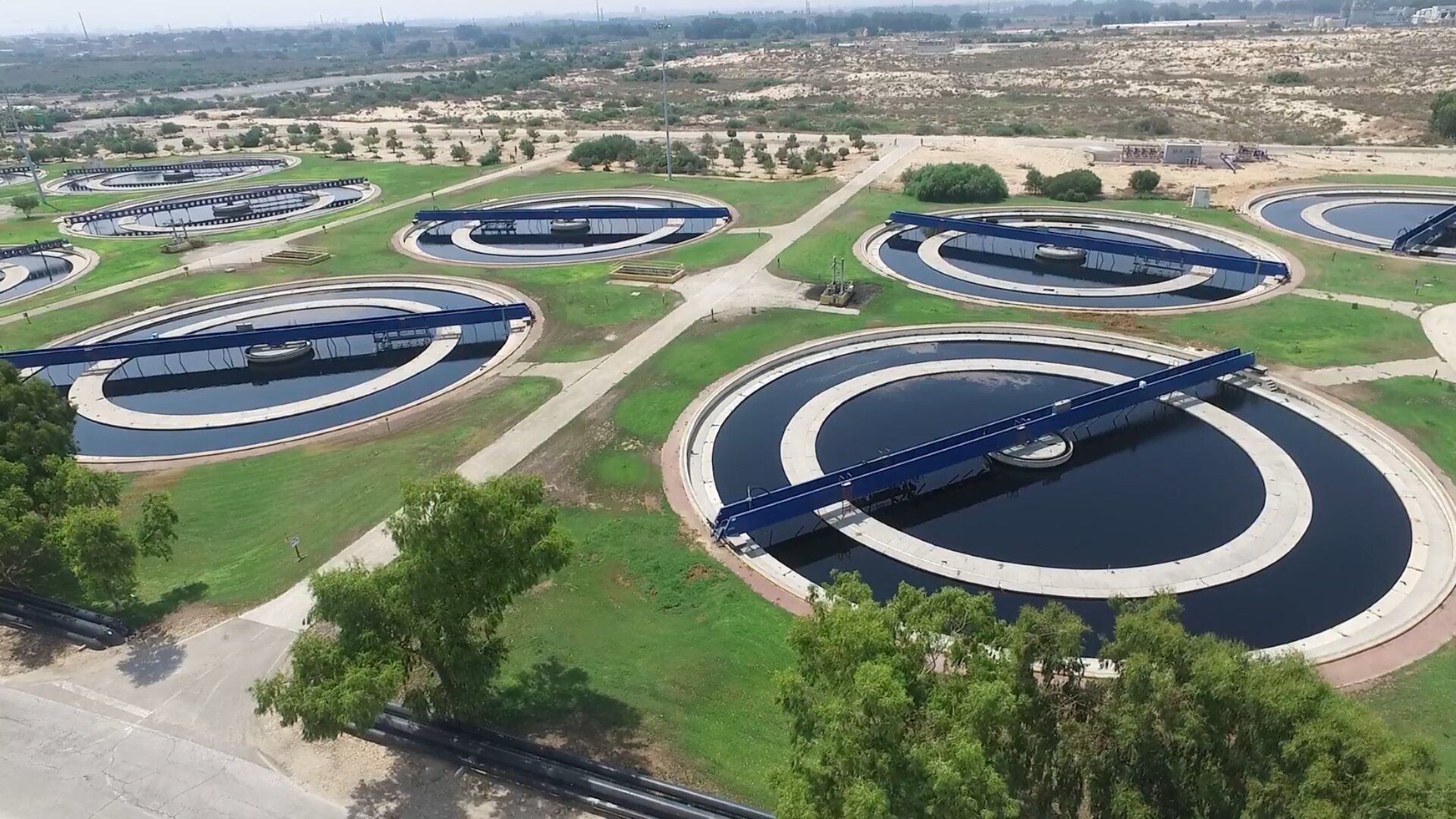
The Shafdan (Dan Region) plant near Rishon LeZion treats municipal wastewater from roughly 2.5 million residents of the greater Tel Aviv area. After secondary treatment, effluent is spread across recharge basins where it percolates through natural sand layers for about six months — soil-aquifer treatment (SAT).
Mekorot, Israel's national water company, pumps the reclaimed water roughly 100 km south via the 'Third Line to the Negev' for unrestricted agricultural irrigation. Biogas from anaerobic sludge digestion is captured on-site and supplies about 80% of the facility's own electricity demand.
More than 60% of irrigation water used in the Negev desert now originates from Shafdan. Nationally, Israel reclaims an estimated 85-90% of its municipal wastewater for agriculture — the highest reuse rate of any country — with the Dan Region system alone contributing roughly 130-140 million m³ of reclaimed water per year.
The SAT approach is cited internationally, including in EU-funded programmes such as SUWANU Europe, as a reference model for natural soil filtration ahead of unrestricted reuse; published sources do not report a formal greenhouse-gas balance or biodiversity assessment for the recharge basins.
Indicative funding routes for practices of this type — always check each programme's current calls and eligibility rules.
Do you run this practice? Claim it — verified implementers get a public contact pathway and can propose corrections.
Where this practice's information was retrieved from, and when.
South Africa
TASC and Meat Naturally Africa's GRASS project issued 266,255 Verra VM0042/CCB-certified carbon units for regenerative grazing on 95,000+ ha of …
Brazil
Since 2020, Brazil's CONSERV programme has paid Amazon/Cerrado landowners ~$50-79/hectare twice yearly to conserve legally clearable forest, protecting over 30,000 …
Burkina Faso
From 1980, farmer Yacouba Sawadogo revived zaï planting pits in Burkina Faso's Yatenga province, helping plots reach ~1,500 kg/ha of …
China
World Bank-financed terracing, afforestation and grazing bans across 1.56M ha of China's Loess Plateau (1994-2002) cut Yellow River sediment by …
Open full copilot Grounded in cited practices — always check the sources.