Vida Manglar — Colombia's First Verified Blue Carbon Mangrove Project (Cispatá Bay)
Colombia
Conservation International and Colombian partners' Vida Manglar project protects and restores mangroves across Cispatá Bay, scaling from 7,500 to 11,000 …
Sri Lanka · Mannar · See the Sri Lanka profile
Evidence: Quasi-experimental Top 58% 40/100 · Ask Evidence Copilot about this practice
NGOs Seacology and Sudeesa used microloans to protect 8,815 ha and replant 3,885 ha of Sri Lankan mangroves by 2020, scaling into a national programme UN-recognised in 2024. A 2024 de-gazetting at Vidattaltivu, reversed only after a court challenge, exposed real enforcement gaps.
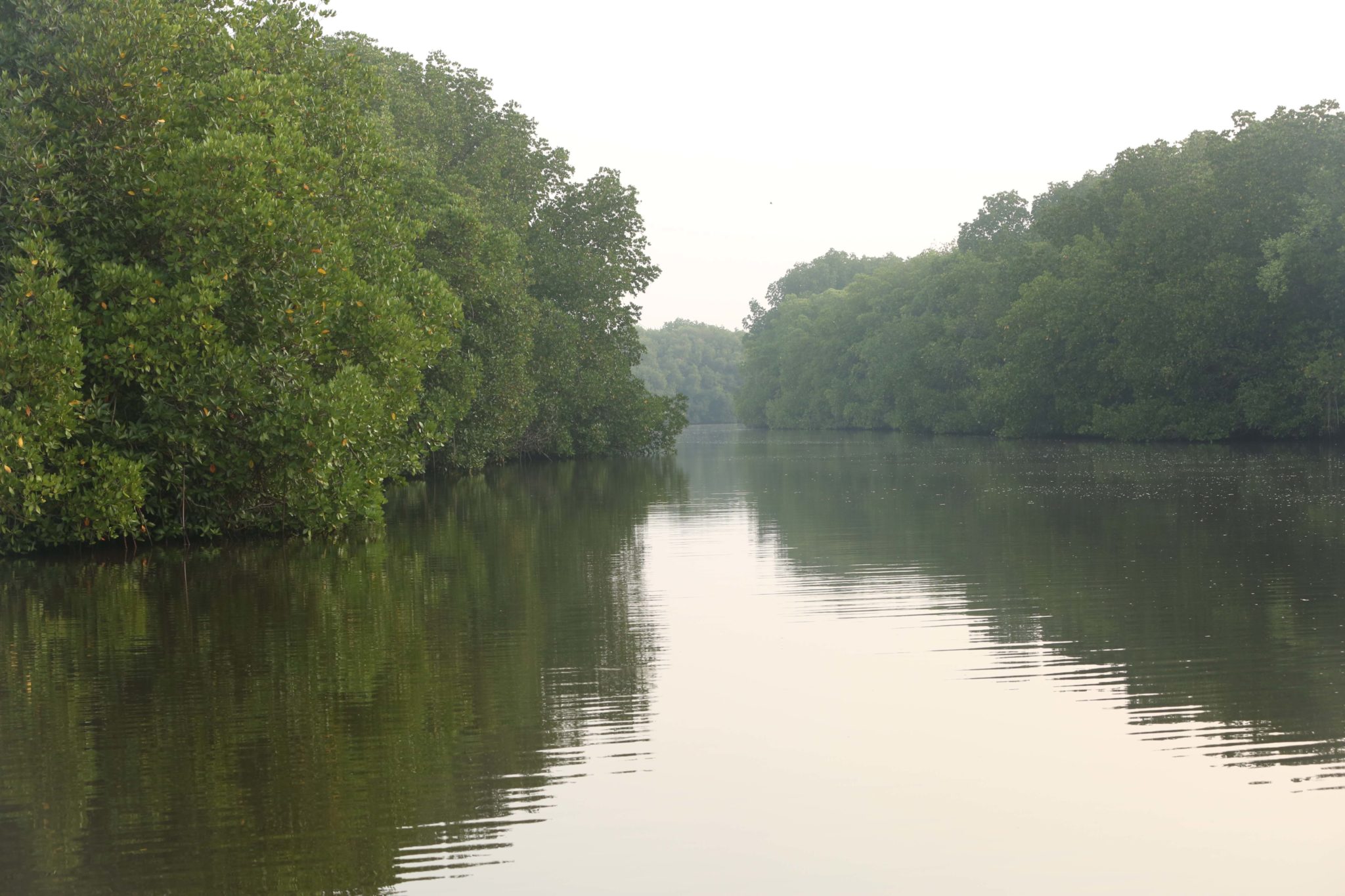
Starting in 2015, US NGO Seacology and Sri Lankan NGO Sudeesa built a microfinance model around Sri Lanka's mangrove forests: in exchange for protecting an average of 21 acres of mangrove per community, roughly 12,000 women in 1,500 coastal communities received livelihood training and microloans, repaid through 1,500 newly formed Community Beneficiary Organisations.
The initial project, funded at US$3.4 million growing to over $4 million, ran community nurseries that grew more than 775,000 seedlings and by its 2020 close had helped protect all 8,815 hectares of Sri Lanka's then-existing mangrove forest and replant 3,885 hectares of degraded mangrove.
The model was absorbed into a national mangrove-regeneration effort the UN named a 2024 World Restoration Flagship, targeting a 50%+ expansion of mangrove cover to 10,000 hectares by 2030. Independent academic research on community-led sites in northern Sri Lanka found measurably higher mangrove density and higher fish catch per boat in restored areas than in unrestored ones. Governance gaps remain real: in 2024 the environment minister de-gazetted about 400 hectares of the protected Vidattaltivu Nature Reserve for an aquaculture farm, reversed only in 2025 after a successful legal challenge by two civil-society organisations.
A genuinely scaled, internationally recognised restoration model with independently verified ecological benefits at some sites, but the 2024 de-gazetting episode shows formal protection (covering only ~60% of the country's mangroves) and enforcement remain fragile.
Philanthropic / foundation funding
Indicative funding routes for practices of this type — always check each programme's current calls and eligibility rules.
Do you run this practice? Claim it — verified implementers get a public contact pathway and can propose corrections.
Where this practice's information was retrieved from, and when.
Colombia
Conservation International and Colombian partners' Vida Manglar project protects and restores mangroves across Cispatá Bay, scaling from 7,500 to 11,000 …
Mayotte
France's marine natural park around Mayotte (est. 2010) protects a 1,300 km2 double-barrier-reef lagoon - 480 km2 of coral, 700 …
China
Shenzhen verified 38,745 t of mangrove-protection carbon sink at Futian Nature Reserve (2010-2020) and auctioned 3,875 t in China's first …
Costa Rica
Costa Rica's first marine PES scheme pays Gulf of Nicoya mollusk-harvester associations for verified mangrove conservation, scaling from 157 harvesters …
Open full copilot Grounded in cited practices — always check the sources.