Gewog Community Centres (CCs)
Bhutan
Bhutan built 182 of a planned 205 rural gewog Community Centres offering broadband, e-government and basic computer services, but 2014 …
Philippines · Quezon City · See the Philippines profile · See the Quezon City profile
Evidence: Observational / pre–post Top 86% 48/100 · Ask Evidence Copilot about this practice
The Philippines' Tech4ED places community ICT centers in schools, libraries and local-government offices nationwide, teaching digital literacy, e-government access and entrepreneurship. Grew from 89 centers in 2015 to over 2,200 by 2018, though independent outcome data is thin.
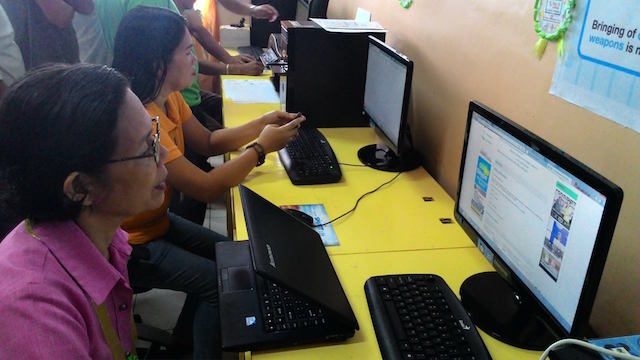
Tech4ED is the Philippine Department of Information and Communications Technology's (DICT) nationwide network of community ICT centres, hosted in schools, public libraries, local-government offices and partner NGOs, with a particular focus on underserved municipalities since 2015.
Centres aim to build basic digital literacy and provide access to government e-services, freelancing and entrepreneurship training for ten priority groups, including out-of-school youth, women, persons with disabilities, indigenous peoples and families of overseas workers.
Each centre offers shared computers, internet access and a standardised online curriculum. The network expanded rapidly from 89 centres in 2015 to 2,253 by July 2018, and continued operating through 2024-2025, including new centres opened in Palawan and a rebranding to 'Digital Transformation Centers'.
By 2018 the network covered 100% of provinces, 79% of cities and 35% of municipalities, with 69% of centres in rural areas. Independent reporting by Rappler in 2017 documented 1,316 centres with 54,435 enrolled learners, 57.8% of them women.
No independent evaluation of learning, employment or income outcomes has been conducted; the strongest evidence remains DICT's own centre and enrolment counts, only partially corroborated by independent journalism, and no verified nationwide total exists for 2024-2025.
National / regional programmes
Indicative funding routes for practices of this type — always check each programme's current calls and eligibility rules.
Do you run this practice? Claim it — verified implementers get a public contact pathway and can propose corrections.
Where this practice's information was retrieved from, and when.
Bhutan
Bhutan built 182 of a planned 205 rural gewog Community Centres offering broadband, e-government and basic computer services, but 2014 …
Zambia
Viamo's Ask Viamo Anything lets anyone with a basic phone call a free line and ask a question in a …
Tajikistan
In remote Khorog, Tajikistan, UNICEF and Pamir Innovation Hub train NEET youth in ICT, web and data-entry skills and place …
Ghana
Farmerline's voice-first Mergdata platform delivers weather, market-price and agronomic advice plus digital credit to over 2 million smallholder farmers in …
Open full copilot Grounded in cited practices — always check the sources.