SiPKPM AI Early-Warning System — Malaysia's National Dropout-Prevention Network
Malaysia
Malaysia's Ministry of Education added AI to its national Student Tracking System (SiPKPM), scoring attendance, grades, disability status, household income …
Uganda · Kampala · See the Uganda profile · See the Kampala profile
Evidence: Observational / pre–post Top 89% 27/100 · Ask Evidence Copilot about this practice
Uganda's Ministry of Education rolled out TELA, a GPS-and-facial-recognition smartphone system, to 14,000+ schools to track teacher attendance. A 2026 plan tying pay to a 95% attendance threshold was paused after welfare and rural-connectivity concerns.
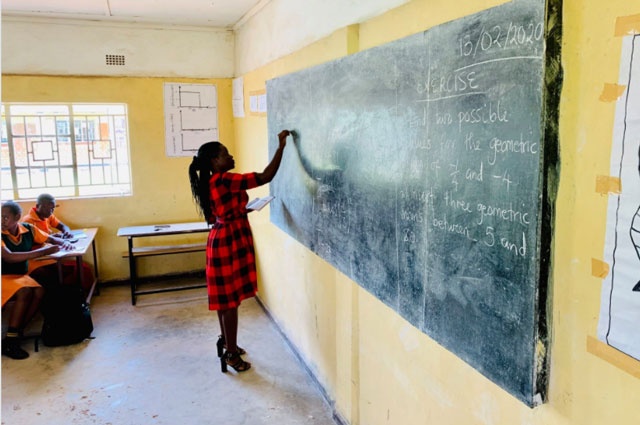
Uganda's public primary schools have among the highest teacher absenteeism rates documented by the World Bank's Service Delivery Indicators, estimated at 27-30%, which the Inspectorate of Government estimated cost the country 180 billion Ugandan shillings in 2019. To address this, the Ministry of Education and Sports rolled out the Teacher Effectiveness and Learner Achievement (TELA) system: a smartphone-based platform using GPS location and biometric facial recognition to record when teachers and head teachers clock in and out, and which lessons are being taught.
The Ministry distributed more than 14,000 TELA-enabled smartphones covering 12,549 primary schools and 1,524 secondary schools. Teachers are expected to scan their faces at 8:00 a.m. and clock out at 6:00 p.m., with the data feeding into the government's Human Capital Management payroll system. In April 2026, officials proposed linking pay directly to attendance: teachers reaching at least 95% monthly attendance would receive full salary, while those below the threshold would receive half pay and risk removal from the payroll.
Regional data from the second term of 2025 showed wide variation in attendance, from 93.4% in the Teso subregion to 56.3% in Toro.
The pay-linkage proposal drew criticism from education experts, who called it premature given unresolved teacher welfare and housing issues, and from stakeholders who questioned the system's reliability in rural areas with poor connectivity and device access. In May 2026, the Ministry's Director for Education Standards, Mary Frances Atima, clarified that teachers' salaries would not yet depend on TELA attendance data, saying discussions were 'still ongoing and no implementation timeline approved.'
National / regional programmes
Indicative funding routes for practices of this type — always check each programme's current calls and eligibility rules.
Do you run this practice? Claim it — verified implementers get a public contact pathway and can propose corrections.
Where this practice's information was retrieved from, and when.
Malaysia
Malaysia's Ministry of Education added AI to its national Student Tracking System (SiPKPM), scoring attendance, grades, disability status, household income …
United Kingdom
Facing a 223% rise in Education, Health and Care Plan (EHCP) applications since 2015, Hertfordshire replaced manual Excel-based quality checks …
Kazakhstan
Kazakhstan's education ministry found about 700 factual and outdated errors across textbooks in 16 subjects, ordered publishers to reissue them …
Sierra Leone
MBSSE and Fab Inc built a WhatsApp RAG chatbot giving Sierra Leone's school inspectors (SQAOs) instant access to census data …
Open full copilot Grounded in cited practices — always check the sources.