Zaï Pits — Farmer-Led Water-Harvesting Restoration of Degraded Cropland, Yatenga, Burkina Faso
Burkina Faso
From 1980, farmer Yacouba Sawadogo revived zaï planting pits in Burkina Faso's Yatenga province, helping plots reach ~1,500 kg/ha of …
Malawi · Nkhotakota · See the Malawi profile
Evidence: Quasi-experimental Top 40% 47/100 · Ask Evidence Copilot about this practice
A CIMMYT–Total LandCare partnership begun in 2005 with just 12 pilot farmers in Nkhotakota district has scaled to over half of farmers practising conservation agriculture in some areas, with peer-reviewed evidence of improved soil moisture and structure.
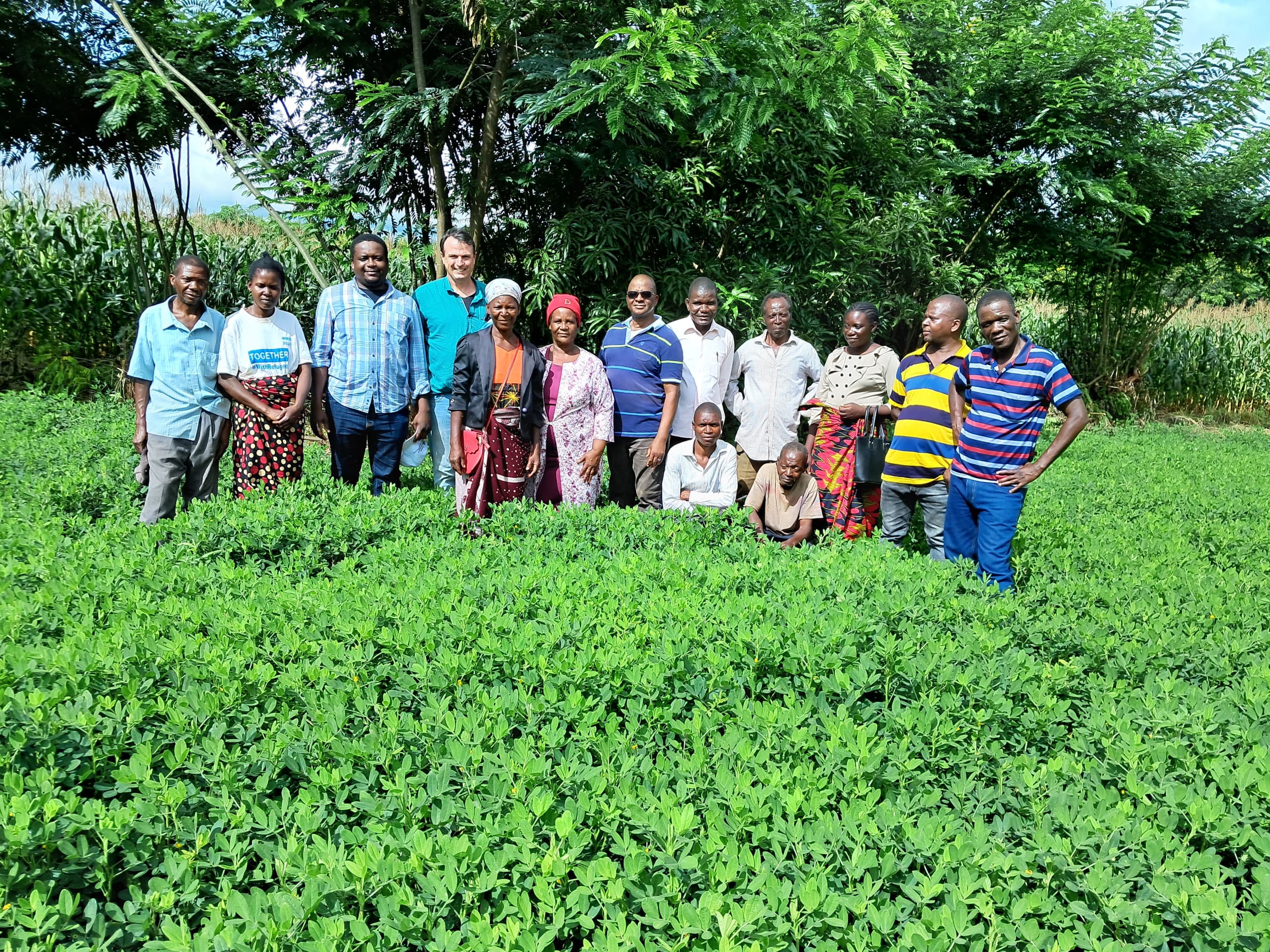
In 2005, Malawian NGO Total LandCare (TLC) began working with CIMMYT (the International Maize and Wheat Improvement Center) to introduce conservation agriculture — minimum tillage, permanent soil cover with crop residues, and crop rotation or intercropping with legumes — to smallholder maize farmers in Nkhotakota district, starting with just six farmers each in two Extension Planning Areas.
The partnership aimed to improve soil and moisture conditions for smallholder maize farming and to scale adoption of conservation-agriculture principles.
TLC and CIMMYT provided nearly two decades of continuous extension support, later expanding to other districts including Nsanje and Salima.
A peer-reviewed study of conservation-agriculture systems in central Malawi found measurable improvements in soil structure and hydraulic properties compared with conventional ridge tillage, and CIMMYT-monitored trials found mulching from retained residues reduced evapotranspiration and conserved soil moisture, helping buffer maize yields under drought and heat stress. TLC reports that in areas such as Mwansambo, more than 57% of farmers now practise conservation agriculture.
Adoption has been uneven: a 2014 survey found only 10% of 300 surveyed farmers had adopted all three core principles, and a 2024 sentinel-site study (Renewable Agriculture and Food Systems) found around 40% of initially enrolled farmers eventually dropped some or all of the practices — a genuine evidenced soil/moisture benefit paired with real difficulty locking in full, sustained adoption at scale.
Philanthropic / foundation funding National / regional programmes
Indicative funding routes for practices of this type — always check each programme's current calls and eligibility rules.
Do you run this practice? Claim it — verified implementers get a public contact pathway and can propose corrections.
Where this practice's information was retrieved from, and when.
Burkina Faso
From 1980, farmer Yacouba Sawadogo revived zaï planting pits in Burkina Faso's Yatenga province, helping plots reach ~1,500 kg/ha of …
China
World Bank-financed terracing, afforestation and grazing bans across 1.56M ha of China's Loess Plateau (1994-2002) cut Yellow River sediment by …
Zambia
Since 1995 Zambia's Conservation Farming Unit has trained smallholders in minimum-tillage, crop-rotation farming. Multi-year on-farm trials (2016-2021) found maize yields …
Malawi
Malawi's Phase-I Shire River Basin Management Program (2012–2019) paid roughly 185 communities $1,500 each through a Community Environmental Conservation Fund …
Open full copilot Grounded in cited practices — always check the sources.