eGov GPT — Kazakhstan's Conversational AI Assistant Cuts In-Person Service-Centre Visits by 30%
Kazakhstan
Kazakhstan's Ministry of AI and Digital Development rolled out eGov GPT, a conversational assistant covering 50 public services with over …
Malawi · Lilongwe · See the Malawi profile · See the Lilongwe profile
Evidence: Descriptive / self-reported Top 83% 40/100 · Ask Evidence Copilot about this practice
Opportunity International's Ulangizi chatbot merges generative AI with Malawi's Ministry of Agriculture guidance, giving farmers Chichewa voice, text and photo advice via WhatsApp. Thousands use it, but yield impact is anecdotal and accuracy is uneven.
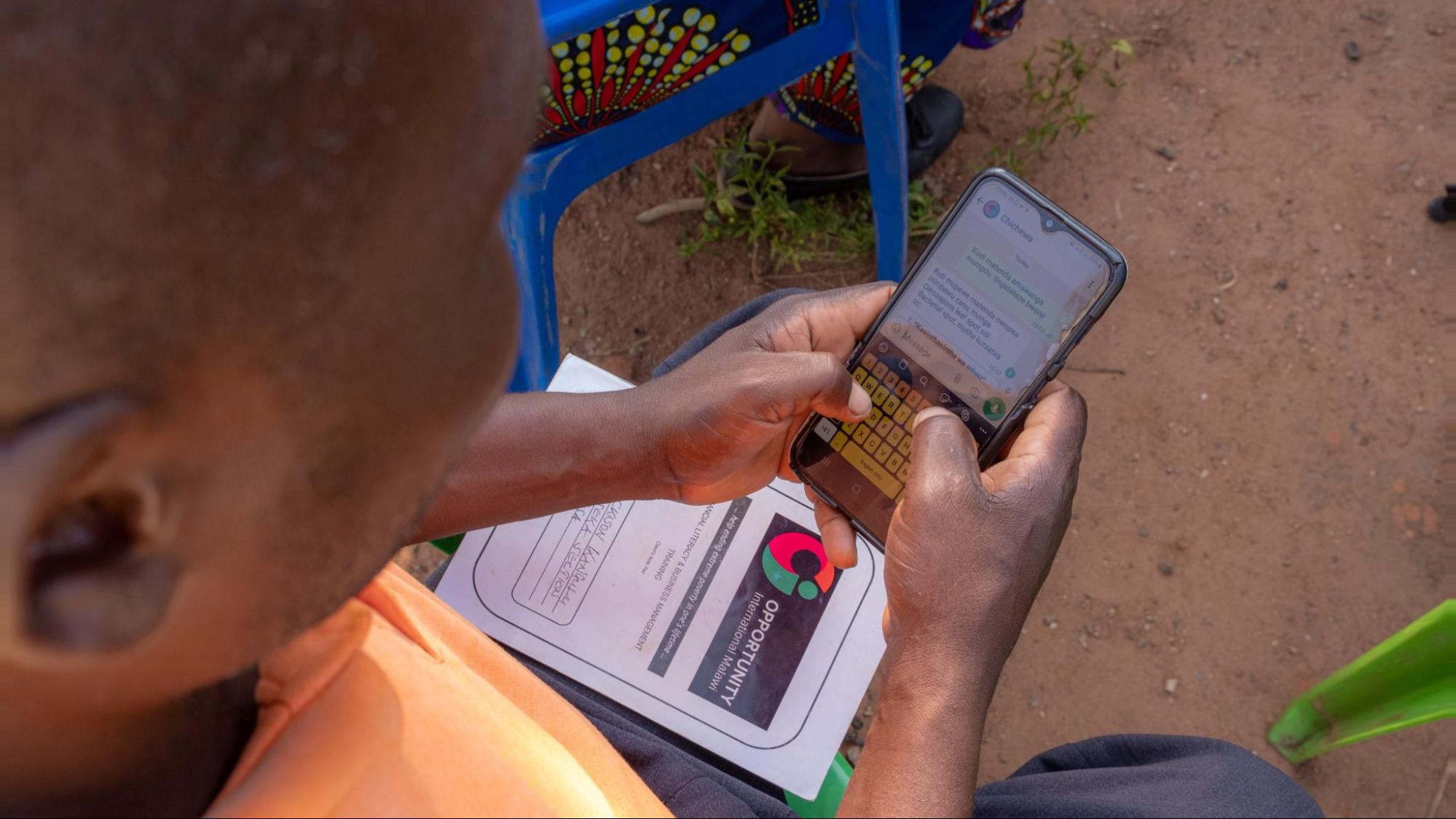
Malawi's roughly 80% smallholder-farmer population is served by a small corps of government-employed farm support agents (FSAs) who cannot reach every household quickly, especially during shocks like Cyclone Freddy. Opportunity International, a UK-based nonprofit, built Ulangizi ('advisor' in Chichewa) to close that gap, combining OpenAI's GPT models with the Malawian Ministry of Agriculture's own extension guidance stored in an Azure database.
The chatbot, accessed over WhatsApp, uses Azure AI speech-to-text and machine translation to accept voice notes and photos of crops or livestock in Chichewa and respond with tailored advice, diagnosing pest damage or recommending planting adjustments.
GiveDirectly, a cash-transfer charity, distributed phones preloaded with the app to 2,800 Malawian farmers in a 2024 pilot; parallel pilots in Kenya and Ghana brought the combined reach to roughly 1,800 active users generating over 17,000 messages.
The evidence remains early-stage: no controlled study of crop yields has been published, the bot has previously misread flagged terms (mistaking a plant name for witchcraft), and Ministry of Agriculture officials note it sometimes gives advice the ministry does not endorse -- underscoring that its reliability depends entirely on how current and curated its underlying government data stays.
Philanthropic / foundation funding
Indicative funding routes for practices of this type — always check each programme's current calls and eligibility rules.
Do you run this practice? Claim it — verified implementers get a public contact pathway and can propose corrections.
Where this practice's information was retrieved from, and when.
Kazakhstan
Kazakhstan's Ministry of AI and Digital Development rolled out eGov GPT, a conversational assistant covering 50 public services with over …
Albania
Albania's Ministry of Agriculture launched YLLI, the country's first AI assistant for farmers, on its Farmer's Portal in June 2026, …
Singapore
GovTech's LifeSG lets new parents register a birth, apply for Baby Bonus and enrol a library membership in one 15-minute …
United Kingdom
A Gemini-powered tool converts decades of paper planning records into structured digital data, saving councils an estimated 255 hours a …
Open full copilot Grounded in cited practices — always check the sources.