Piauí Inteligência Artificial — Brazil's First Compulsory AI Curriculum in Public Schools
Brazil
In 2024 Brazil's Piauí state made AI compulsory from 9th grade through upper-secondary -- the Americas' first such curriculum -- …
Congo · Brazzaville · See the Congo profile · See the Brazzaville profile
Evidence: Descriptive / self-reported Top 40% 53/100 · Ask Evidence Copilot about this practice
UNESCO and CODEMAO's Youth Coding Initiative trained around 99 teachers (45% women) across Congo, Kenya, Namibia and Thailand in 2021–23, generating 82 classroom coding projects. A 2026 phase sends Congolese teachers and students to China for a week-long AI and coding study tour.
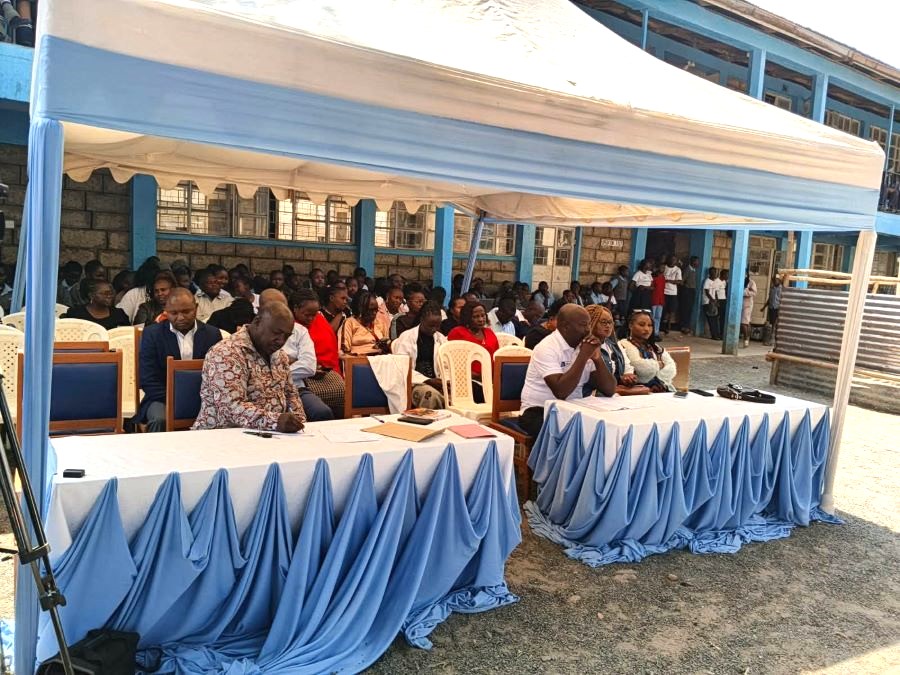
Launched in April 2021, the UNESCO-CODEMAO Youth Coding Initiative pairs UNESCO's Contextual Analysis and Foresight Unit for Priority Africa with CODEMAO, China's largest children's coding platform, to build coding and AI literacy among teachers and students in the Republic of the Congo, Kenya, Namibia and Thailand.
In Phase I (2021-2023), roughly 99-100 teachers were trained via webinars and CODEMAO's graphical 'Kitten Editor' tool plus ten localised lesson plans; a second phase launched with a July 2024 study visit to China expanded the initiative to six countries and sharpened its focus on girls, rural and disadvantaged students, and students with disabilities, with a further exchange scheduled for July 2026.
Trained teachers submitted 82 coding projects to their national UNESCO offices for evaluation and certification, with 45-51% of projects credited to women teachers.
The programme's own reporting is candid that its measures are process indicators - training completions, project submissions, certification pass rates - rather than independent measures of student learning gains, and total reach so far remains in the low hundreds relative to Congo's national teaching workforce.
Do you run this practice? Claim it — verified implementers get a public contact pathway and can propose corrections.
Where this practice's information was retrieved from, and when.
Brazil
In 2024 Brazil's Piauí state made AI compulsory from 9th grade through upper-secondary -- the Americas' first such curriculum -- …
Slovakia
Slovakia's annual IT Fitness Test, run since 2010, now embeds AI-literacy questions and issued personal digital-skills certificates to over 66,000 …
India
India's Ministry of Education, CBSE and NCERT are mandating AI and Computational Thinking as a curriculum strand from Class 3 …
Taiwan
Taiwan's Ministry of Education committed NT$11.76bn (~US$372.5m) over four years to a six-part "AI Talent Ark" programme pairing a national …
Open full copilot Grounded in cited practices — always check the sources.