University of the South Pacific's Regional AI Policy Reaches Its Nauru Campus at the Nauru Learning Village
Nauru
USP is drafting an ethics-focused ChatGPT/AI policy for its 12 Pacific nations, reaching its Nauru Campus -- a teacher-education and …
Marshall Islands · Majuro · See the Marshall Islands profile · See the Majuro profile
Top 89% 27/100 · Ask Evidence Copilot about this practice
USP is drafting an ethics-focused ChatGPT/AI policy for its 12 Pacific nations, reaching a Marshall Islands campus whose Foundation Programme has graduated 358 students since 1996, as the country separately rolls out $2.5m in school connectivity.
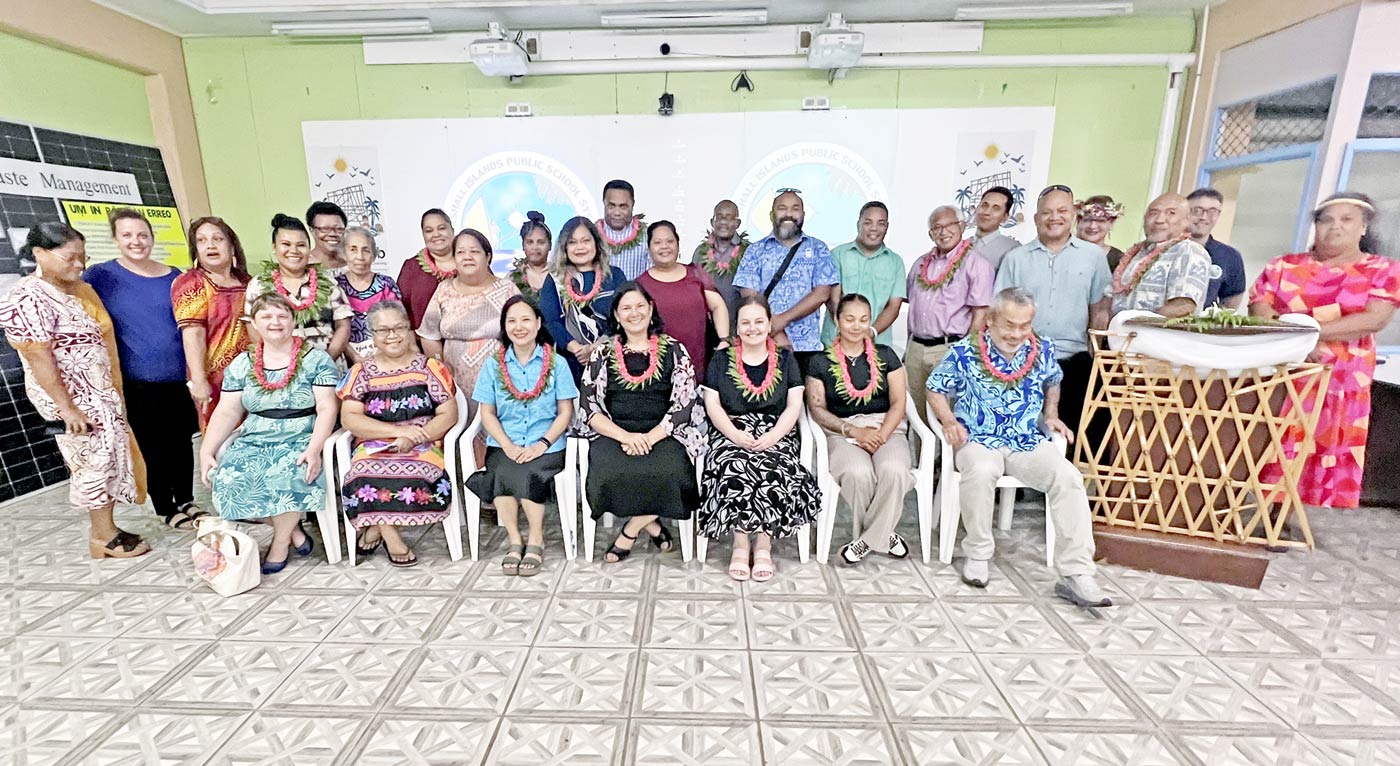
The University of the South Pacific (USP) is jointly owned by 12 Pacific Island states, including the Republic of the Marshall Islands (RMI). USP's Marshall Islands Campus, on Majuro, runs the RMI-USP Foundation Programme, which has awarded 358 students a Certificate in Foundation Studies since the programme began in 1996; a 2021 tracking exercise found 199 of those graduates working in the RMI economy, 159 of them in public-sector, government-agency or embassy roles and 40 in the private sector. The certificate is cross-credited at the 100-level with several US universities, including the University of Hawaii at Manoa and Hilo (USP Marshall Islands Campus, official campus pages).
In a 24 January 2025 op-ed marking International Day of Education, USP vice-chancellor and president Pal Ahluwalia said the university had been developing an institutional ChatGPT and generative-AI policy since 2024, describing the need for "careful planning and cultural sensitivity" given the Pacific's linguistic and cultural diversity (RNZ Pacific, 29 January 2025). He warned that AI platforms raise data-privacy concerns as they "gather and analyse vast amounts of data," and called for classroom AI to be shaped through "inclusive dialogues involving educators, students, and parents," for curricula to pair technical AI literacy with critical thinking and ethical reasoning, and for an "ongoing ethical oversight mechanism" to monitor AI use in Pacific classrooms.
Separately, in September 2025 the RMI Public School System launched the Rebbelib Project, a three-year, US$2.5 million initiative backed by the Global Partnership for Education and UNICEF, to bring Starlink internet and laptops to all public schools; Education Commissioner Natalie Nimmer said the goal is that "by 2029, every outer island school will be connected so every teacher and student is using digital tools" (Marshall Islands Journal, 9 October 2025). This connectivity programme is general digital infrastructure rather than an AI deployment, but it is the precondition any future AI tool in RMI classrooms -- including anything arising from USP's policy -- would depend on.
No AI-specific learning-outcome or adoption data for the Marshall Islands are documented in the available sources; USP's AI policy remains a stated regional commitment rather than a measured intervention.
Read the full analysis: https://marshallislandsjournal.com/technology-fix-for-outer-islands/
Implementation detail (cost, timeline, staffing, conditions for success) is not yet available for this practice.
Do you run this practice? Claim it — verified implementers get a public contact pathway and can propose corrections.
Where this practice's information was retrieved from, and when.
Nauru
USP is drafting an ethics-focused ChatGPT/AI policy for its 12 Pacific nations, reaching its Nauru Campus -- a teacher-education and …
Tuvalu
USP, shared by 12 Pacific nations, is drafting an ethics-focused ChatGPT/AI policy while its Tuvalu campus teaches about 330 students …
Barbados
The Commonwealth of Learning, the University of the West Indies (Cave Hill) and the Eastern Caribbean Joint Board of Teacher …
Guyana
Guyana's national university requires students to disclose generative-AI use, grades AI-assisted and unassisted work on different rubrics, and flags its …
Open full copilot Grounded in cited practices — always check the sources.